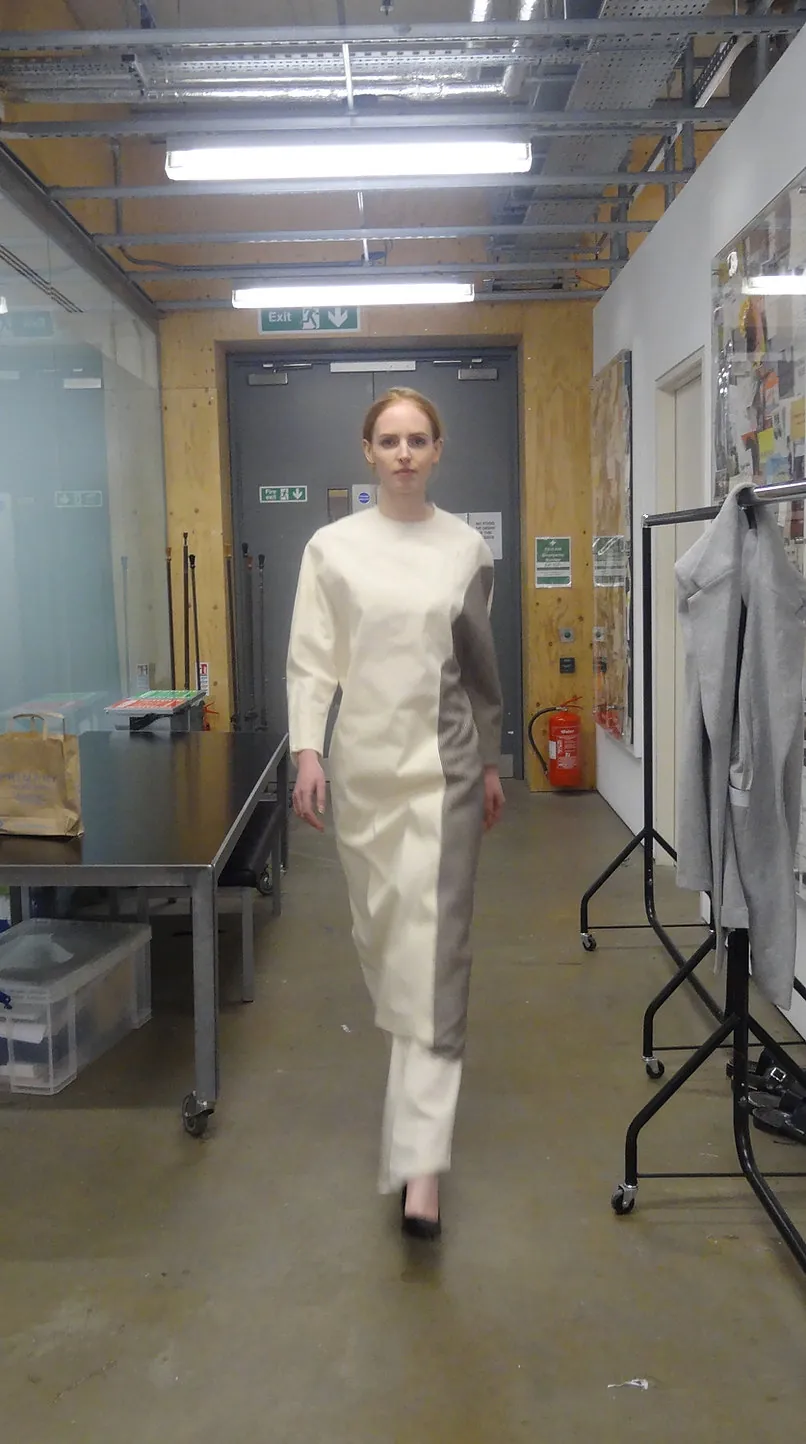
FINAL COLLECTION MA 2018
CENTRAL SAINT MARTINS
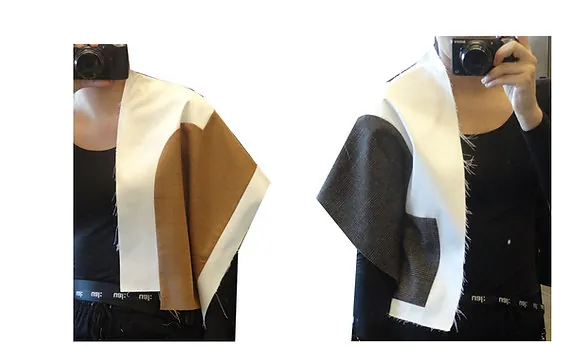
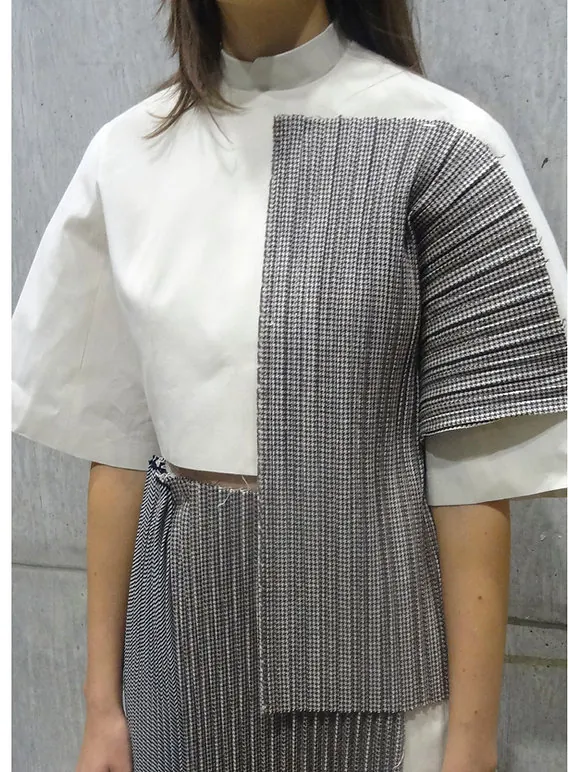
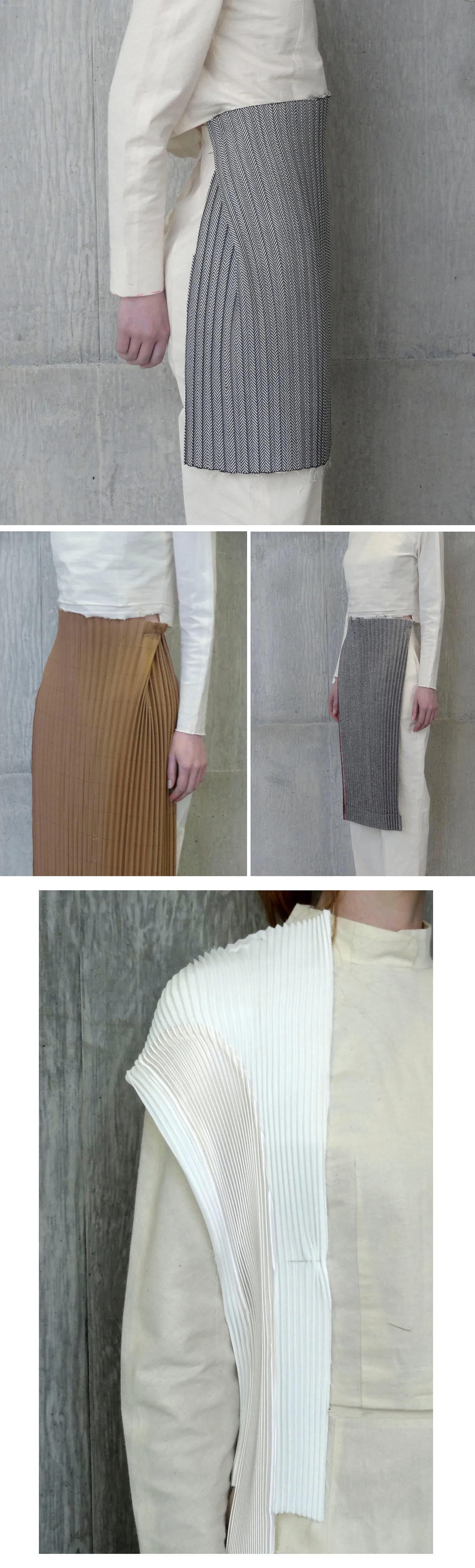
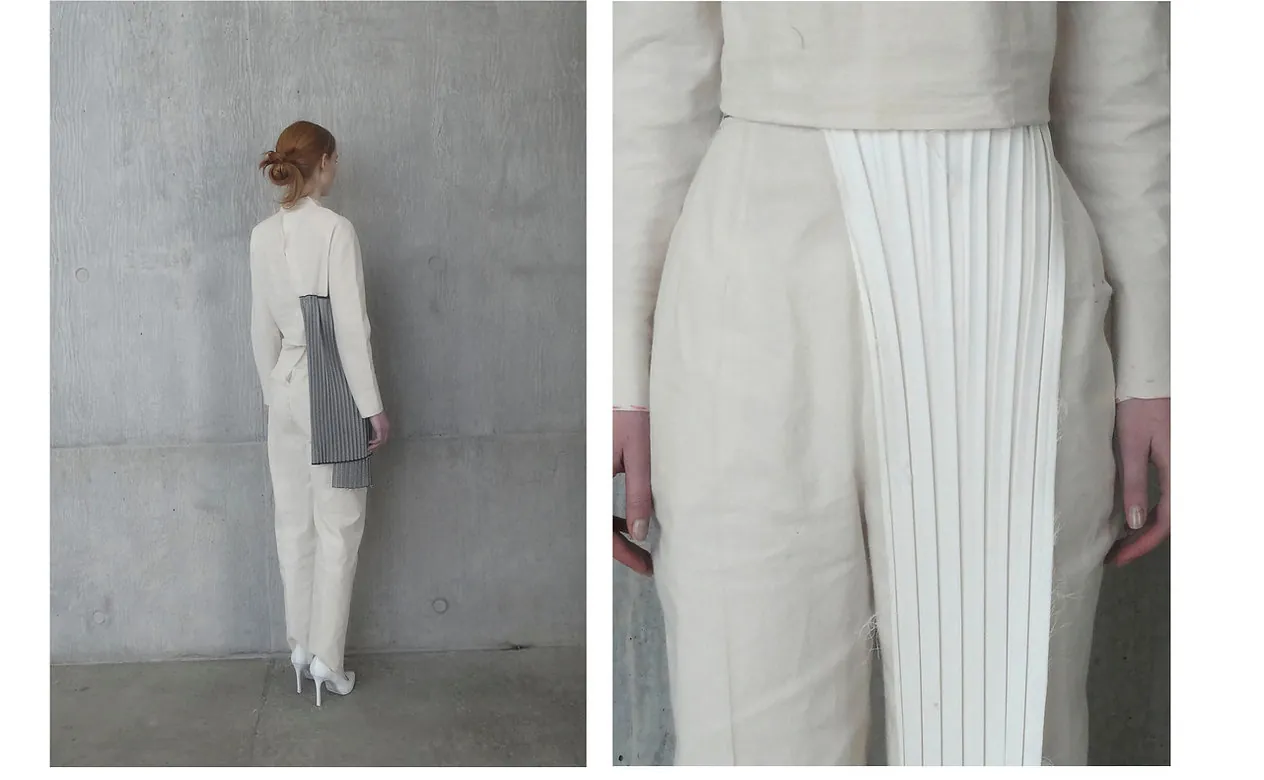
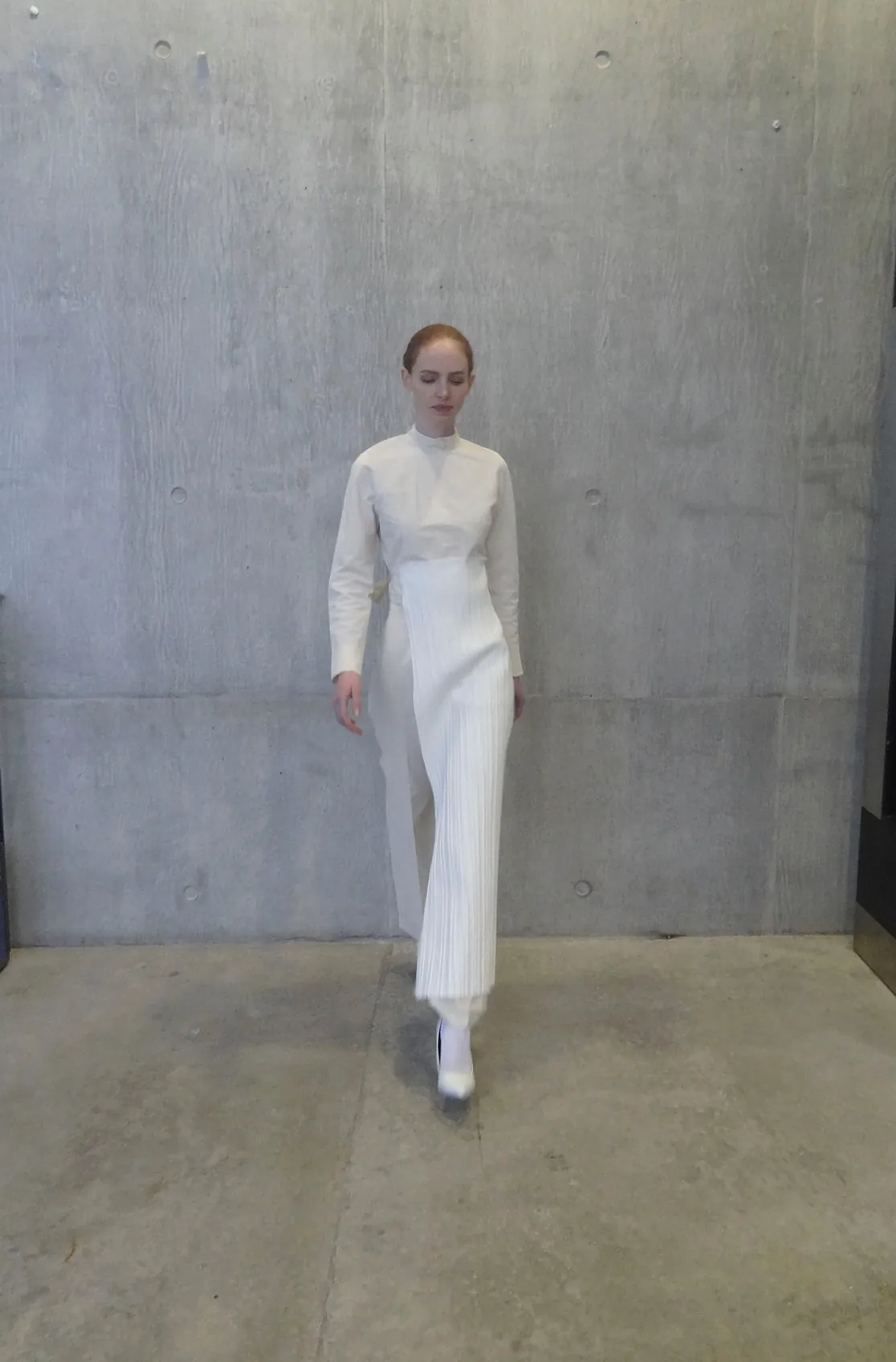
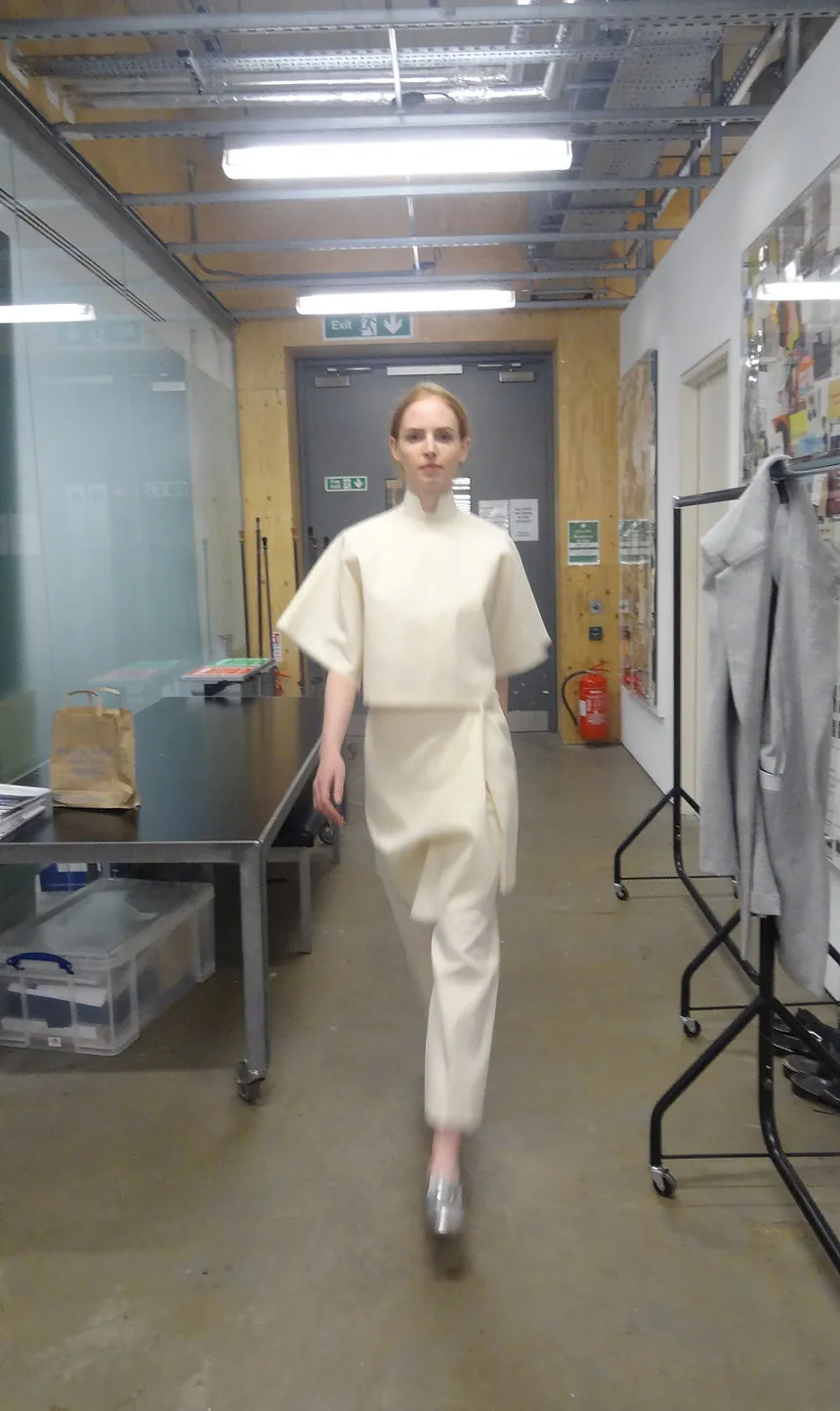
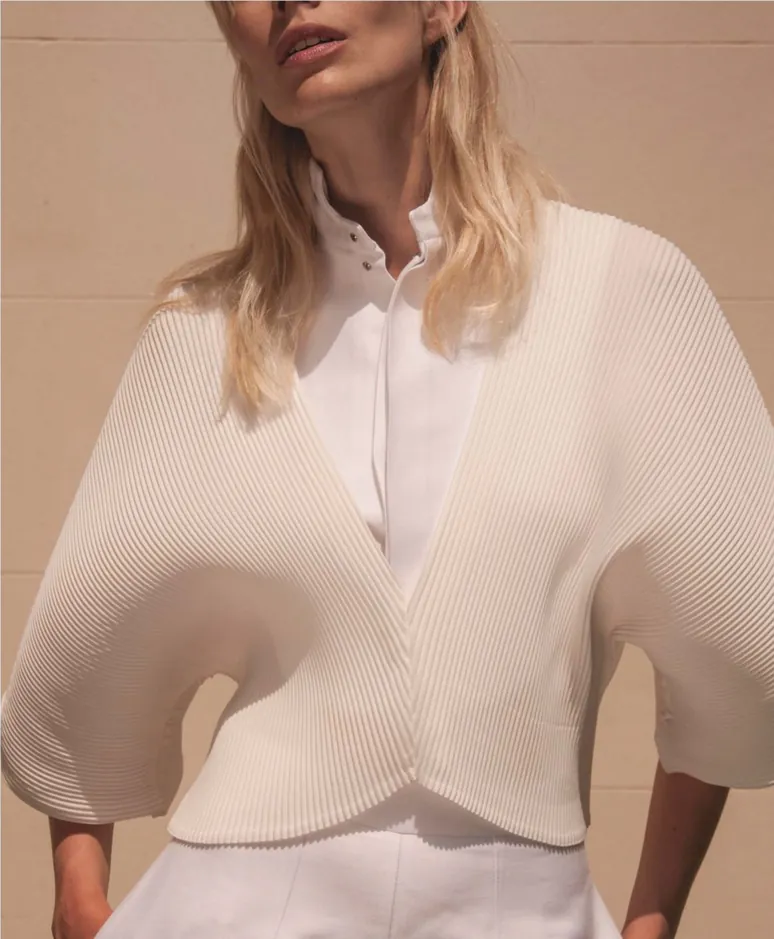
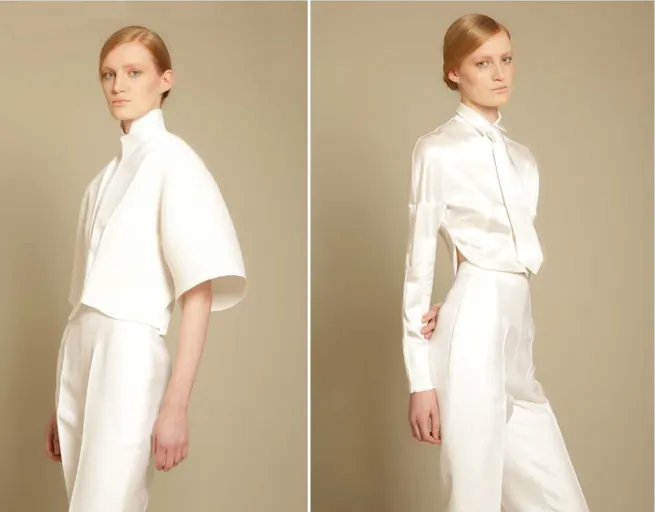
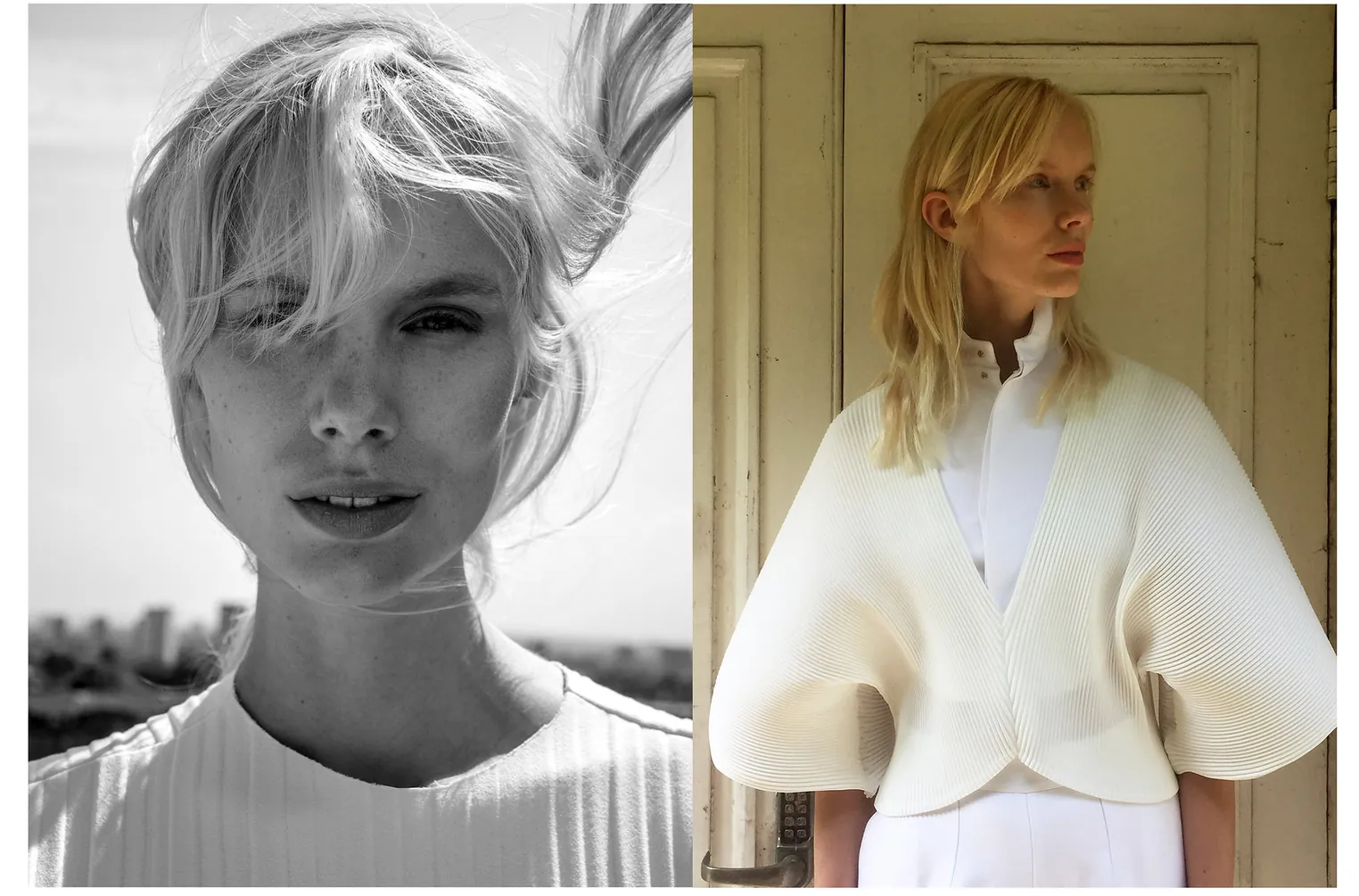
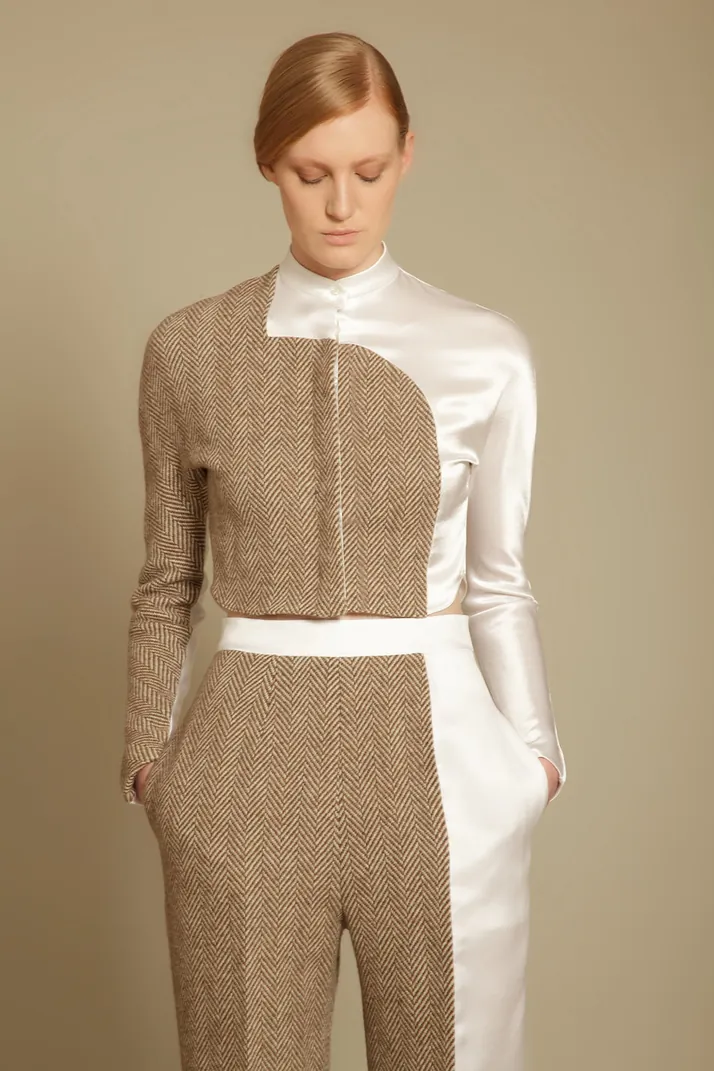
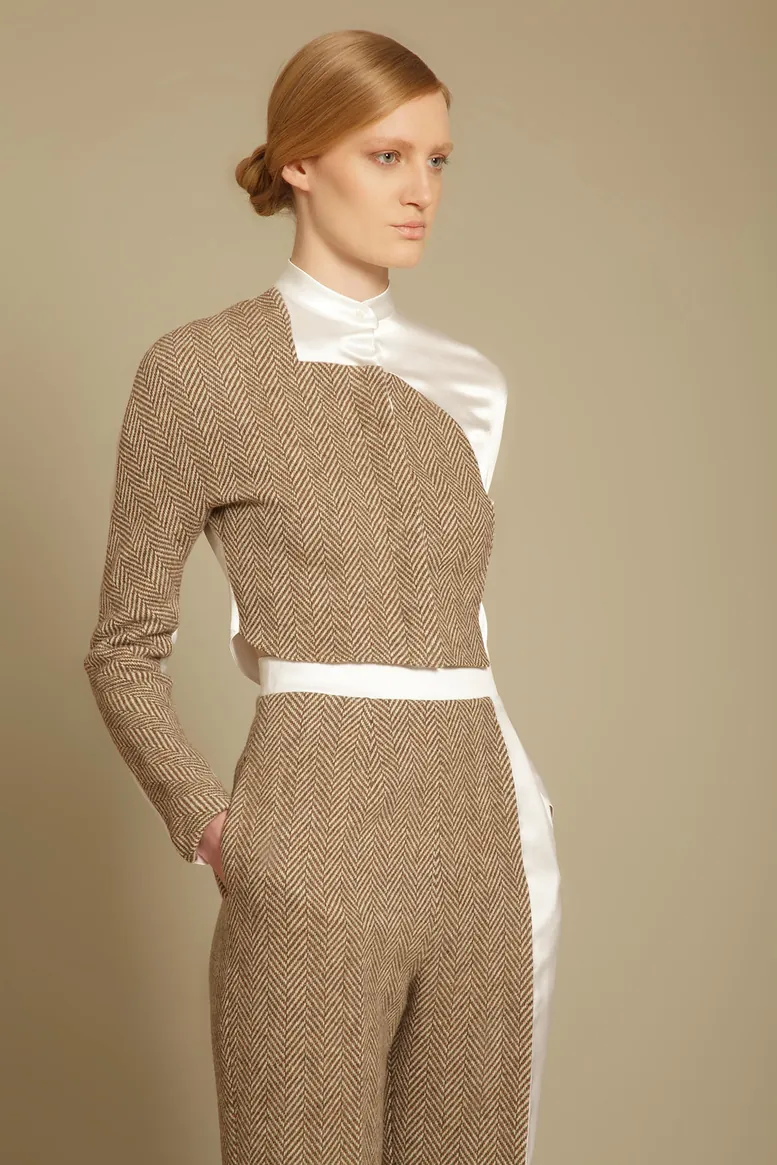
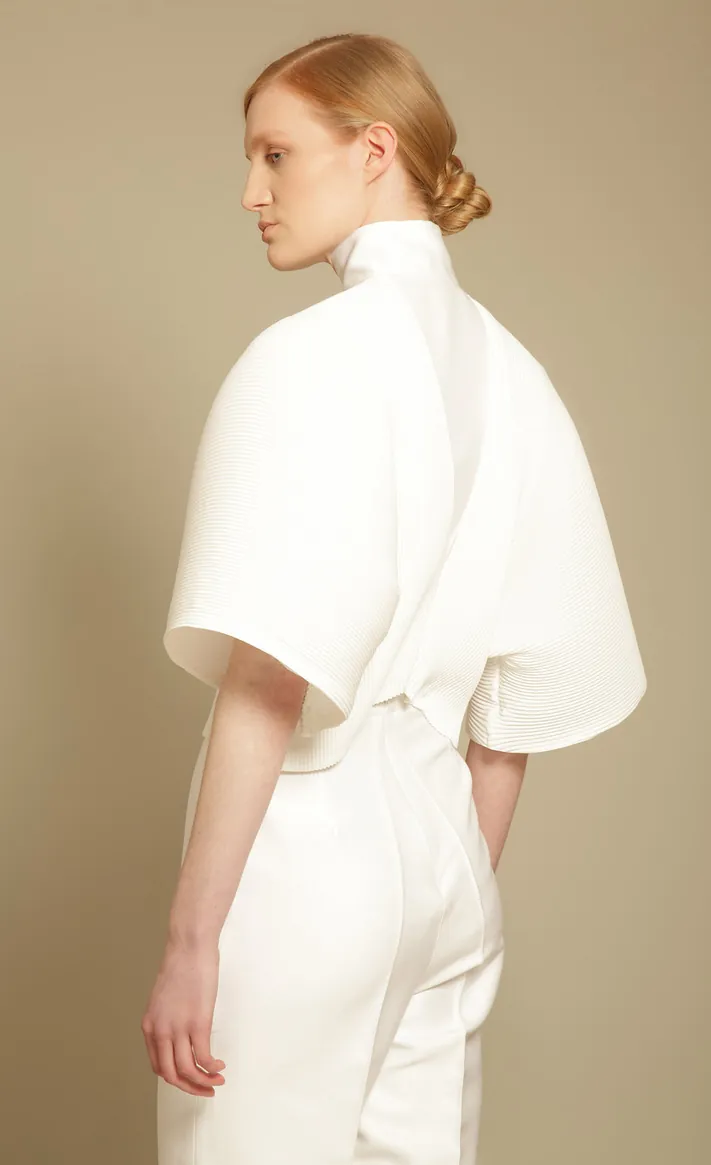
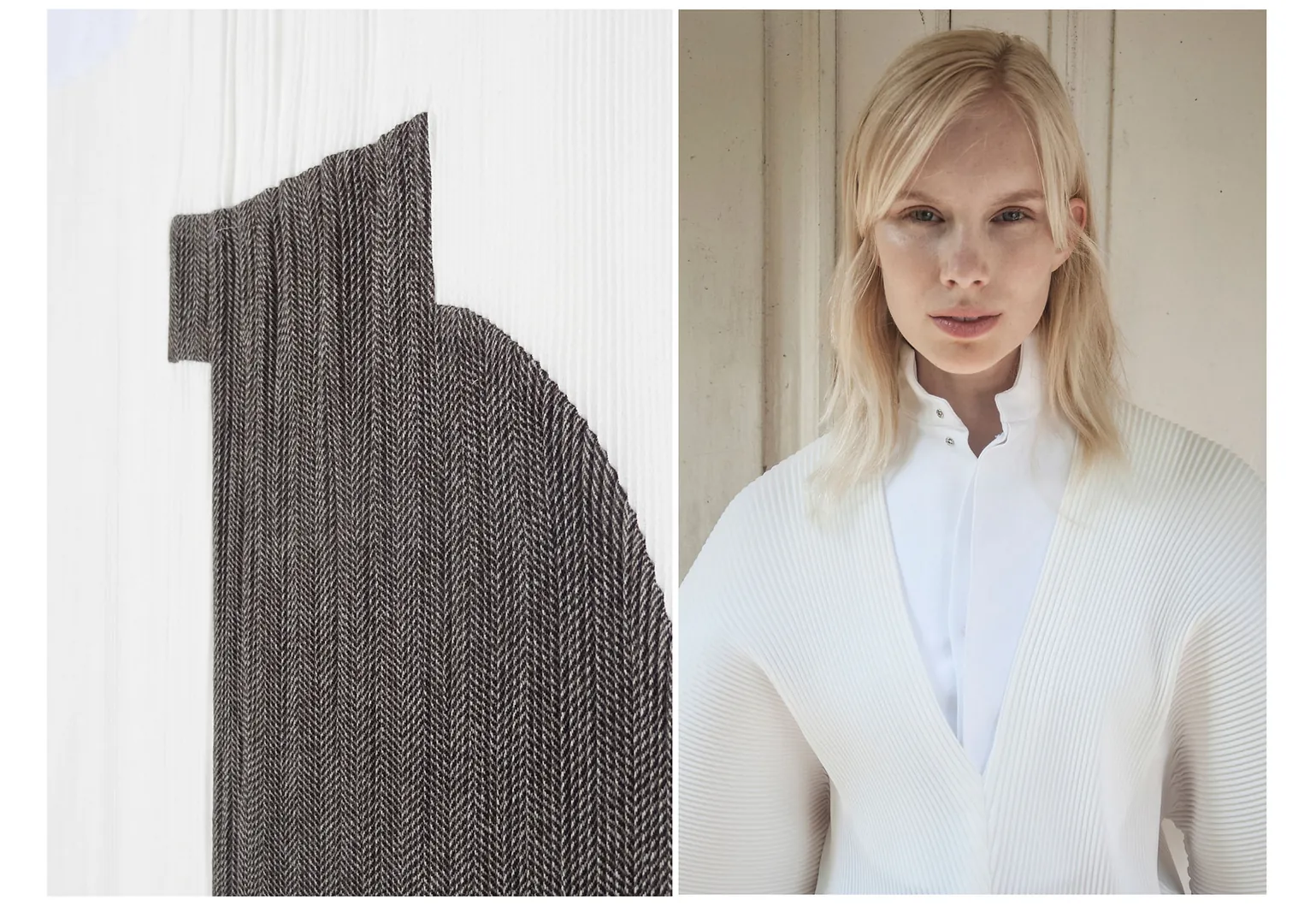
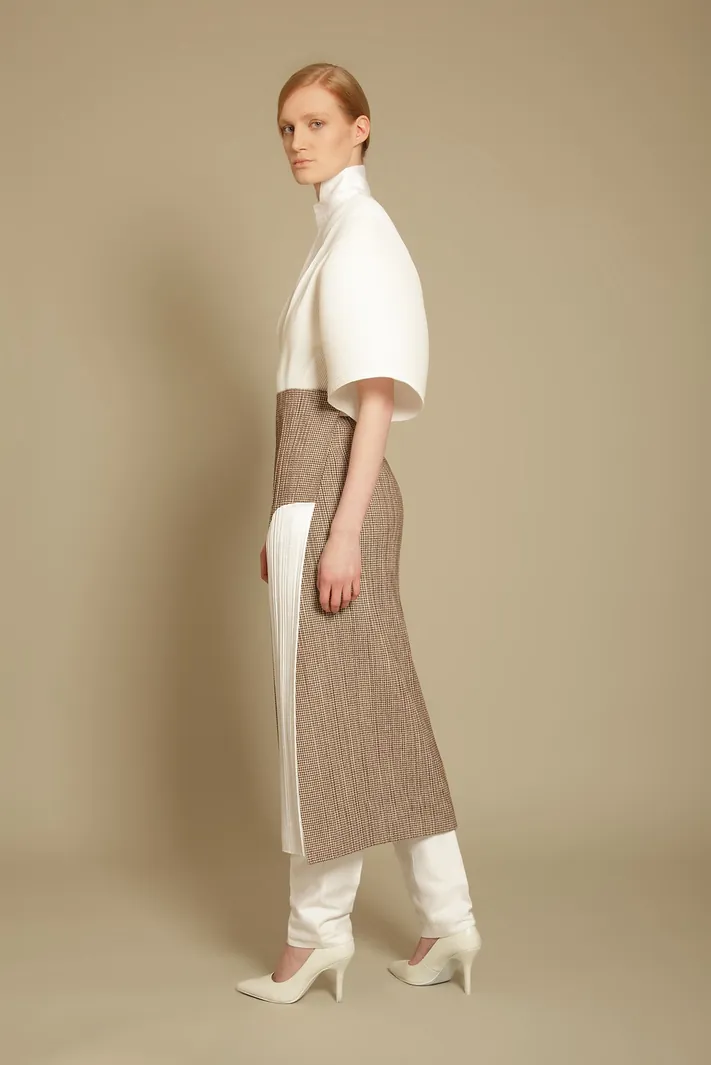
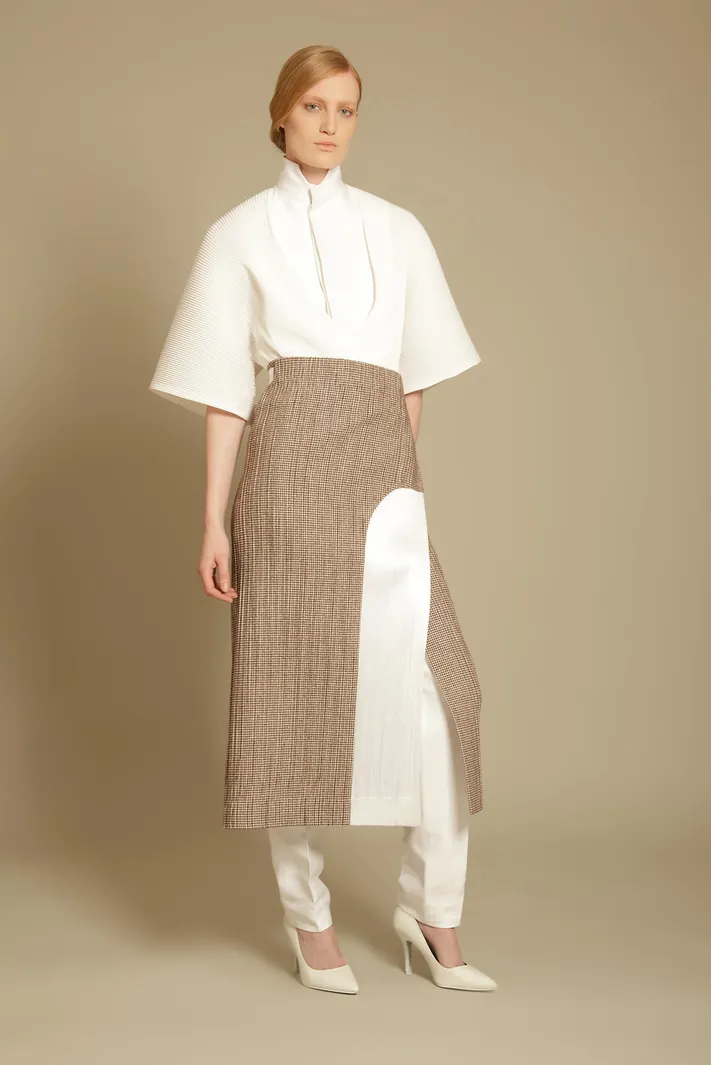
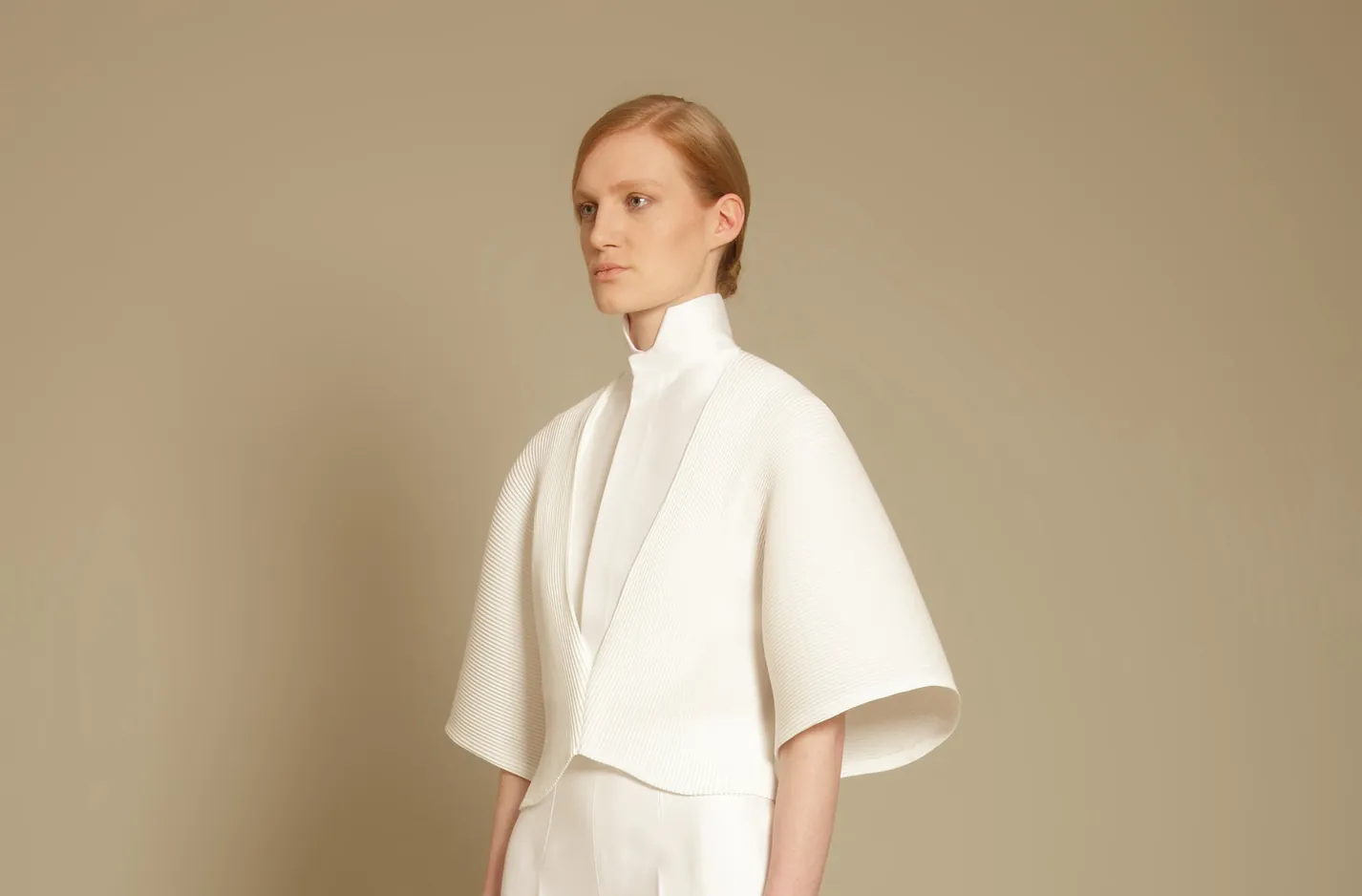
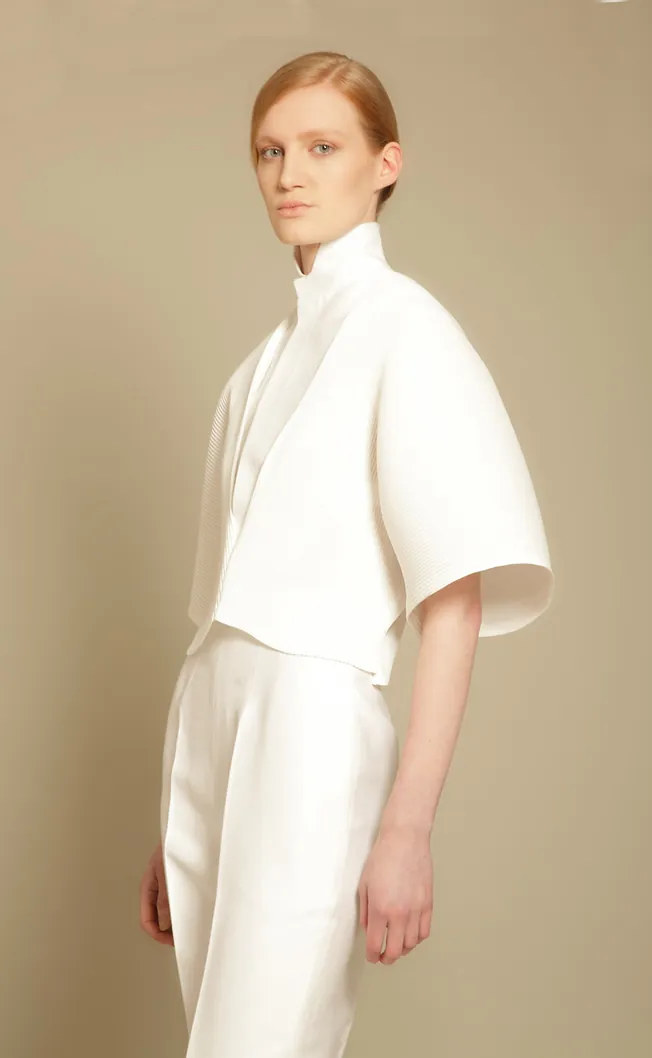
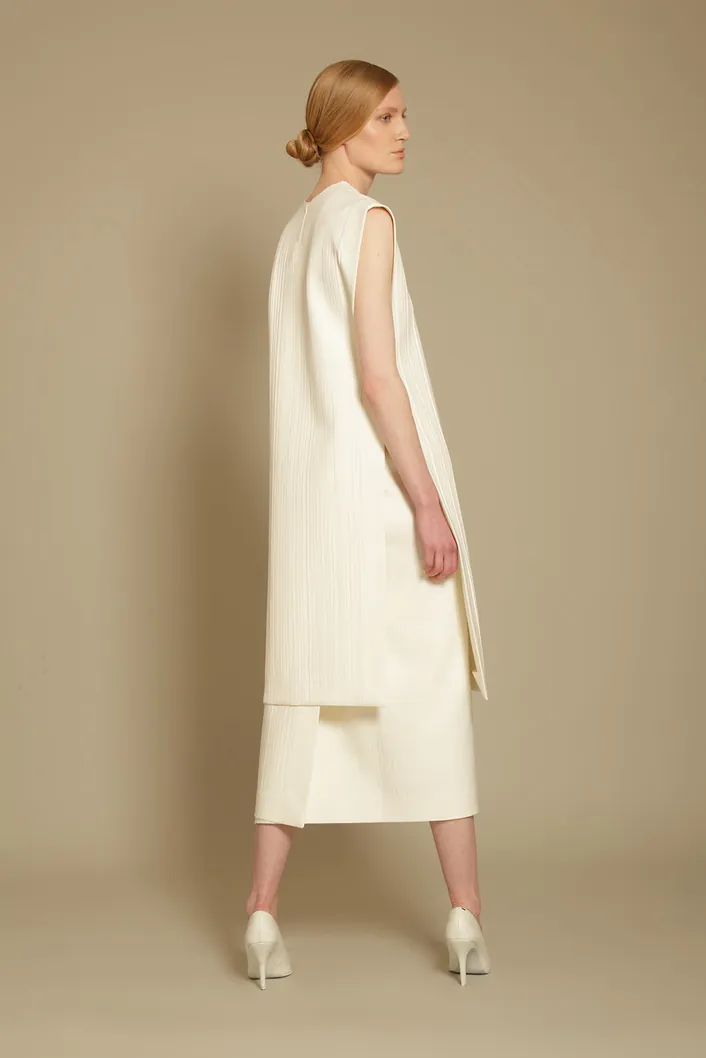
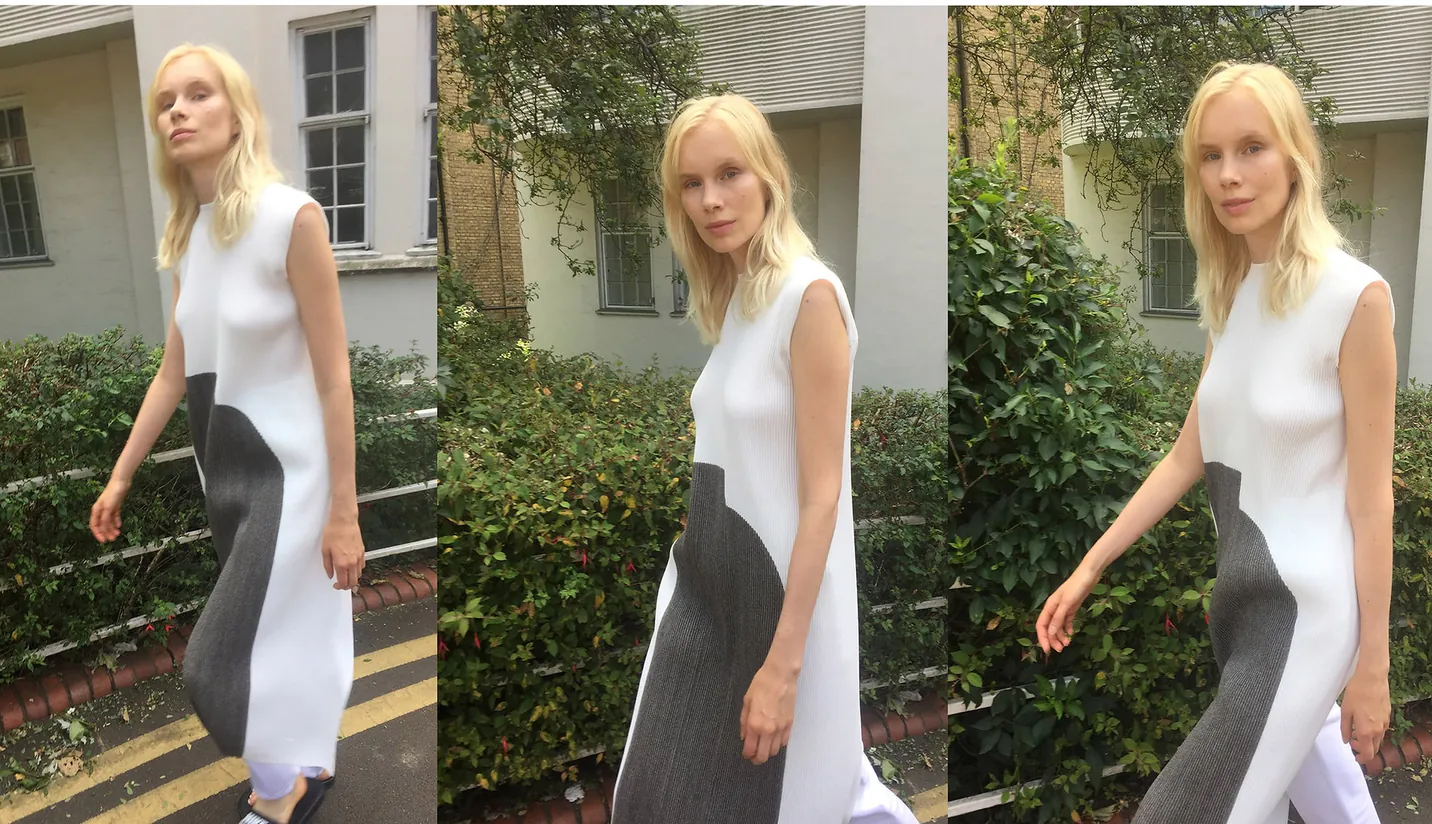
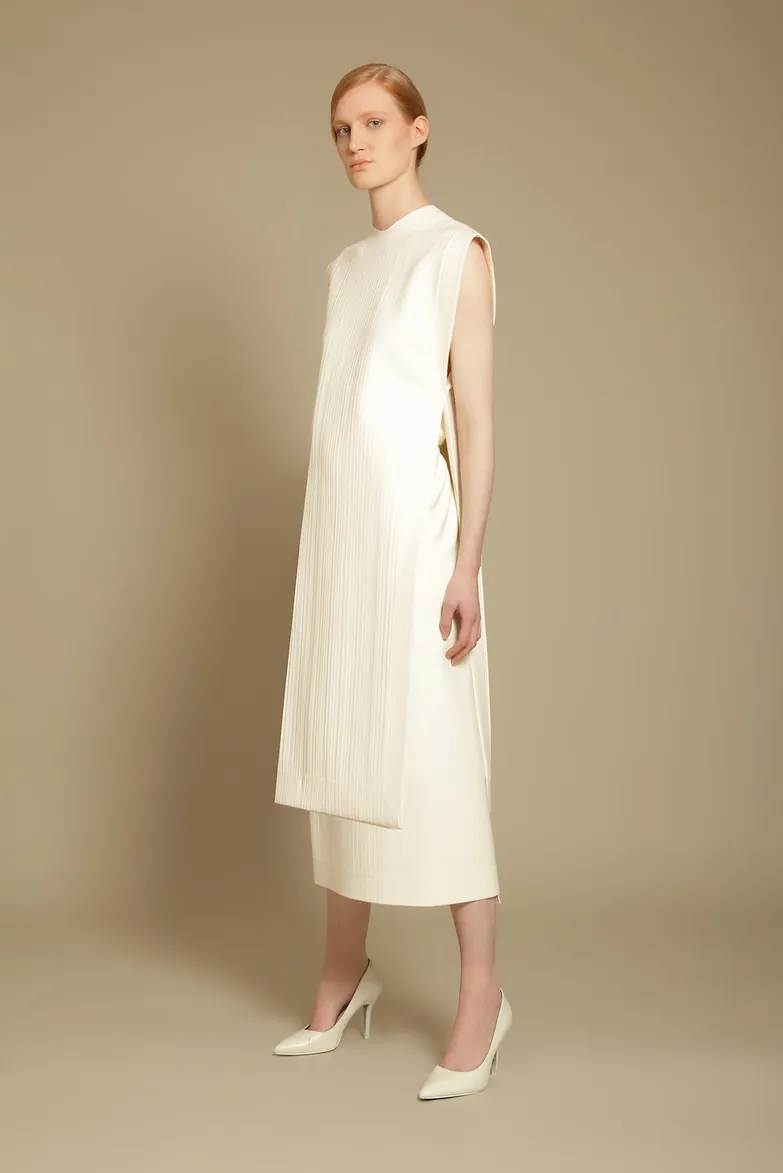
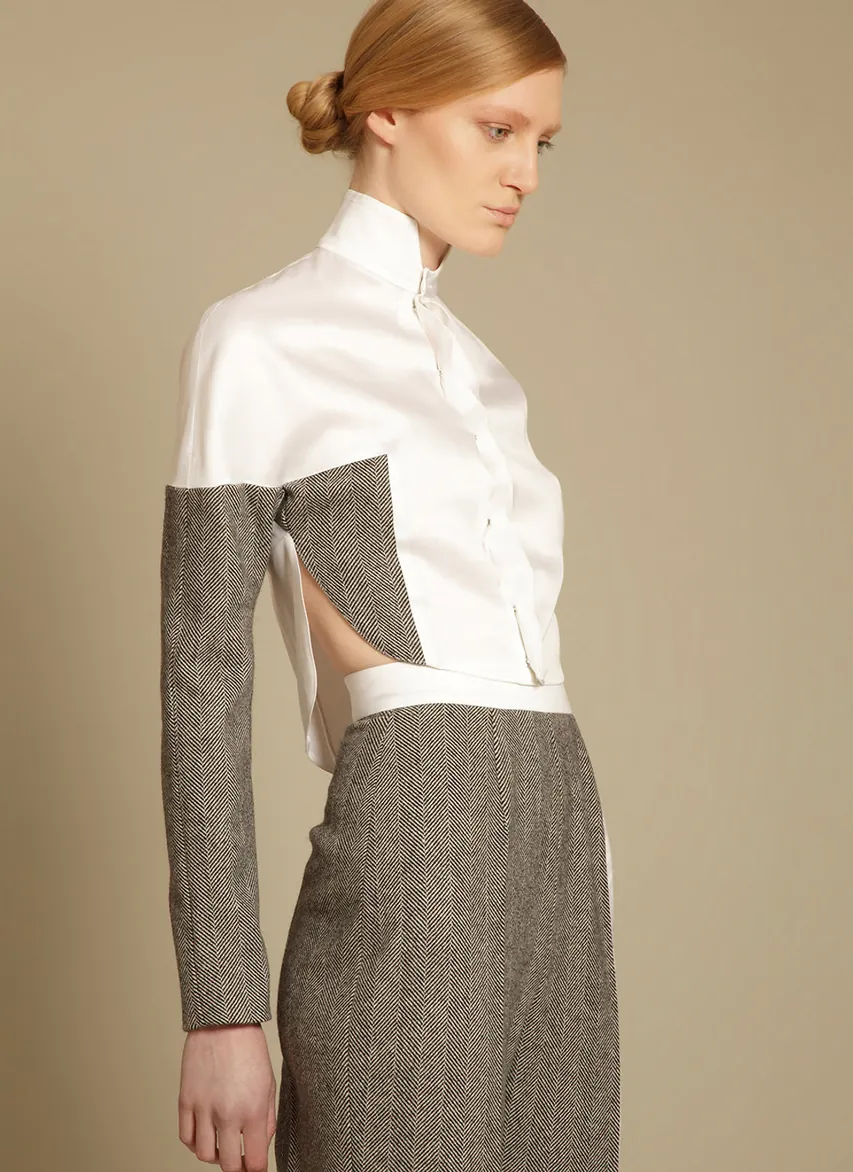
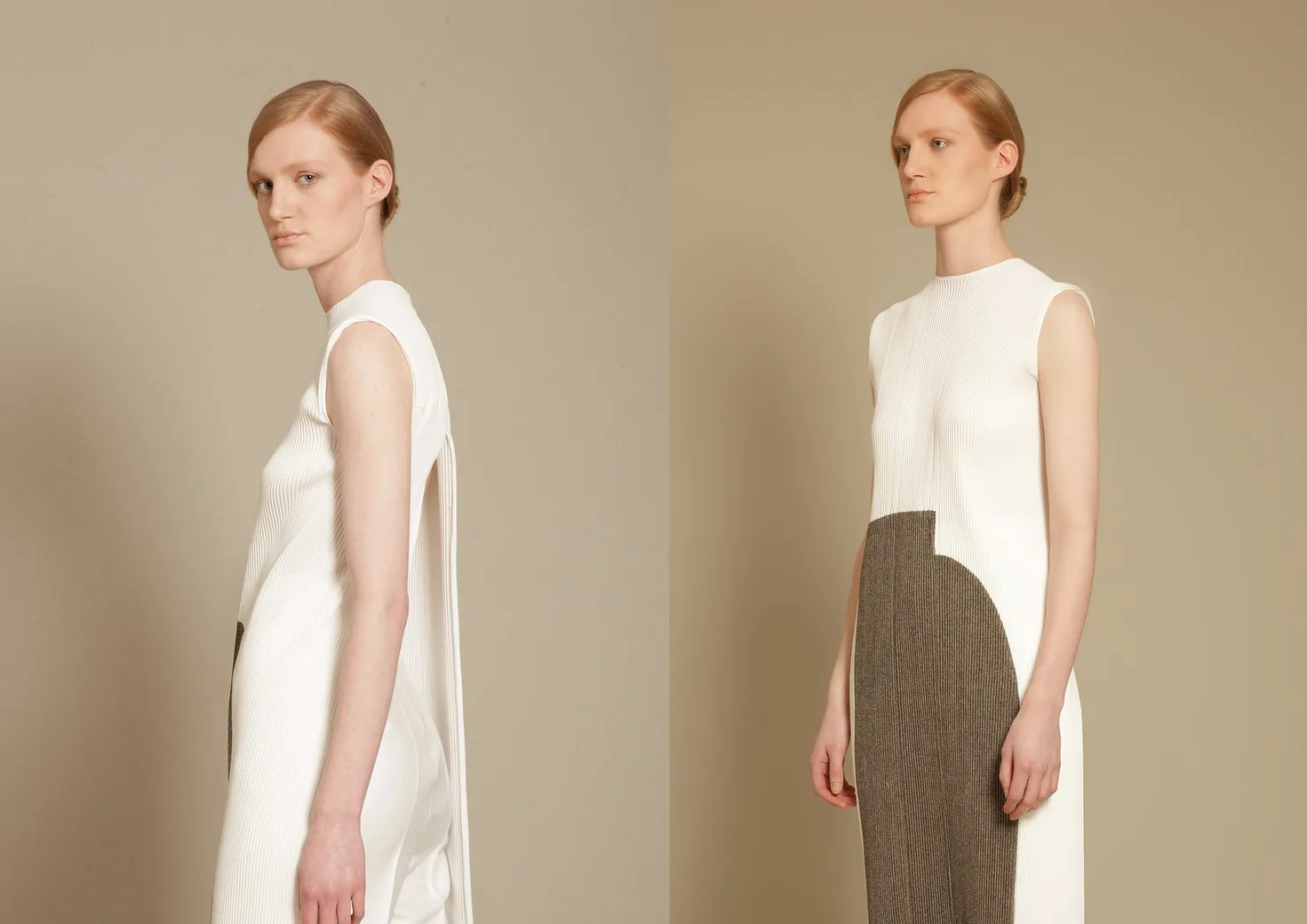
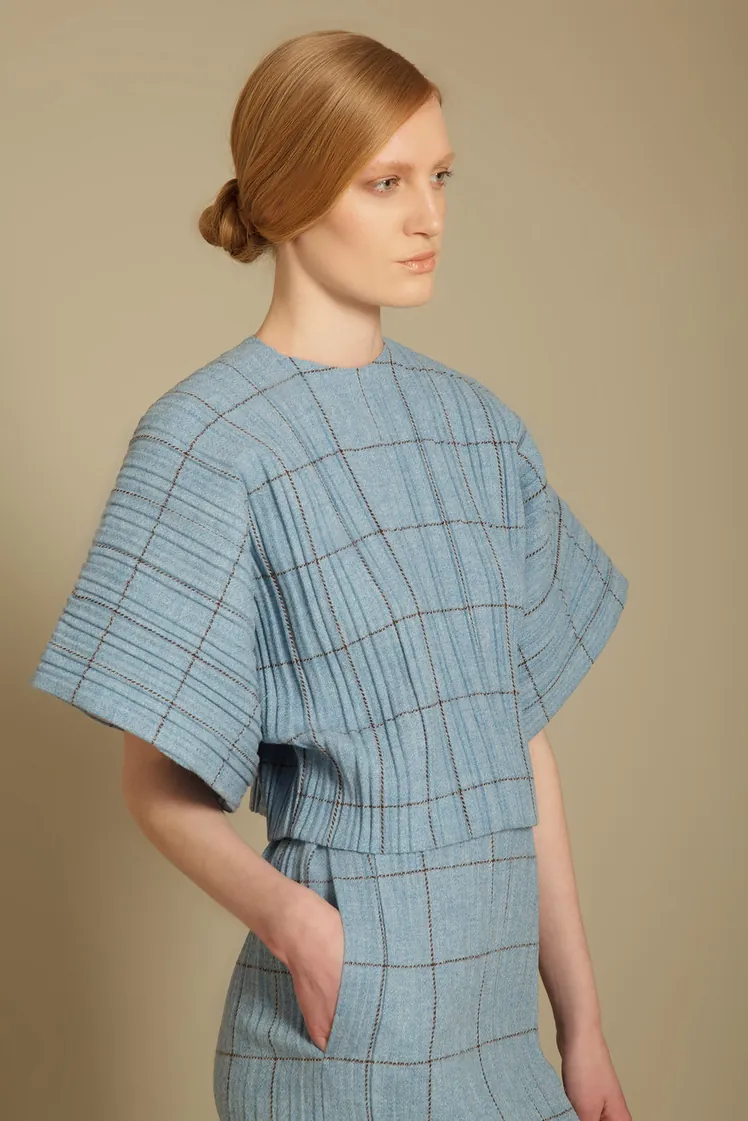
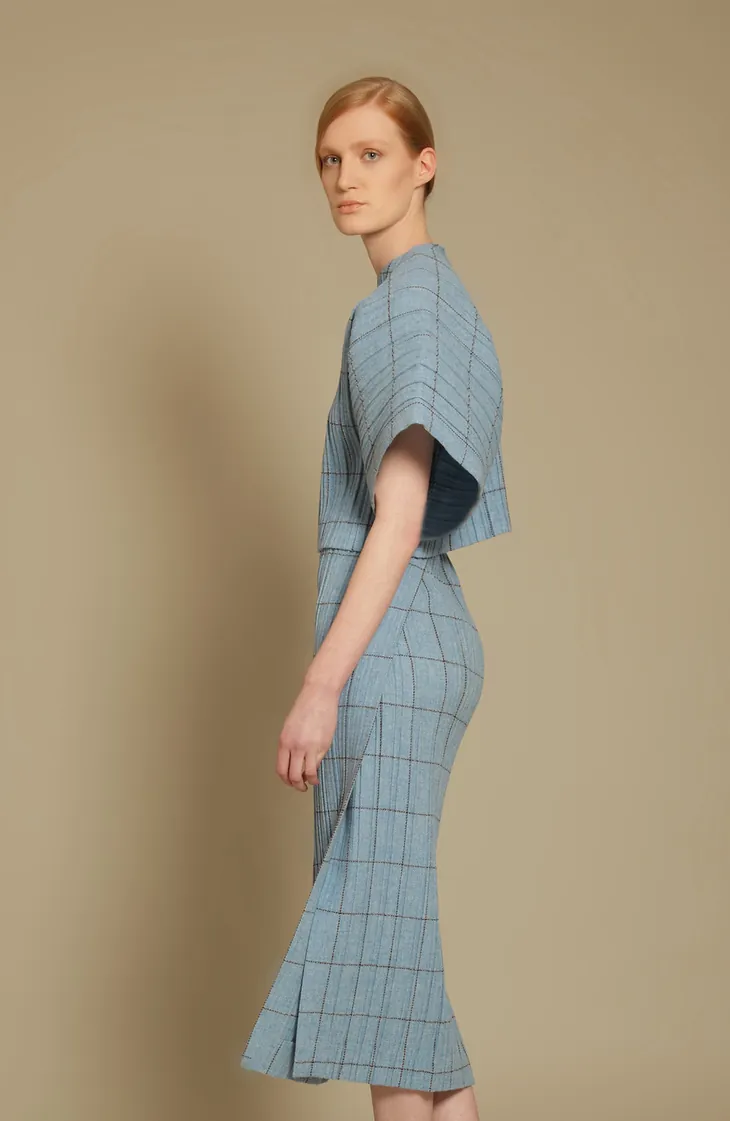
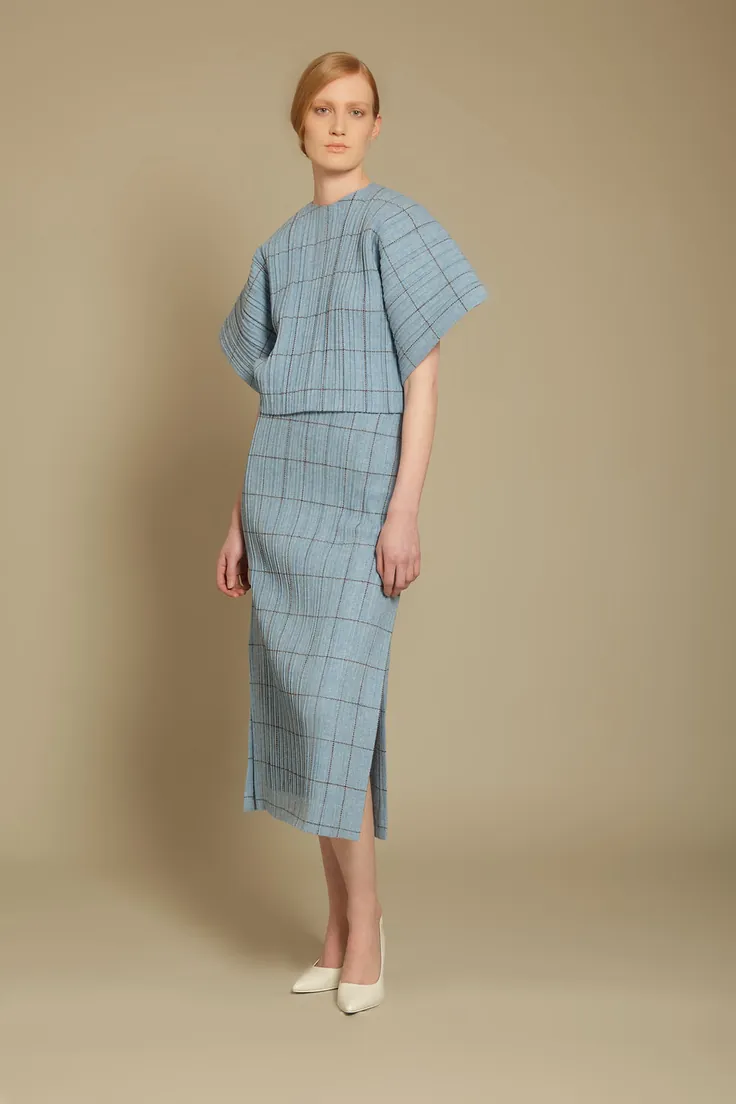
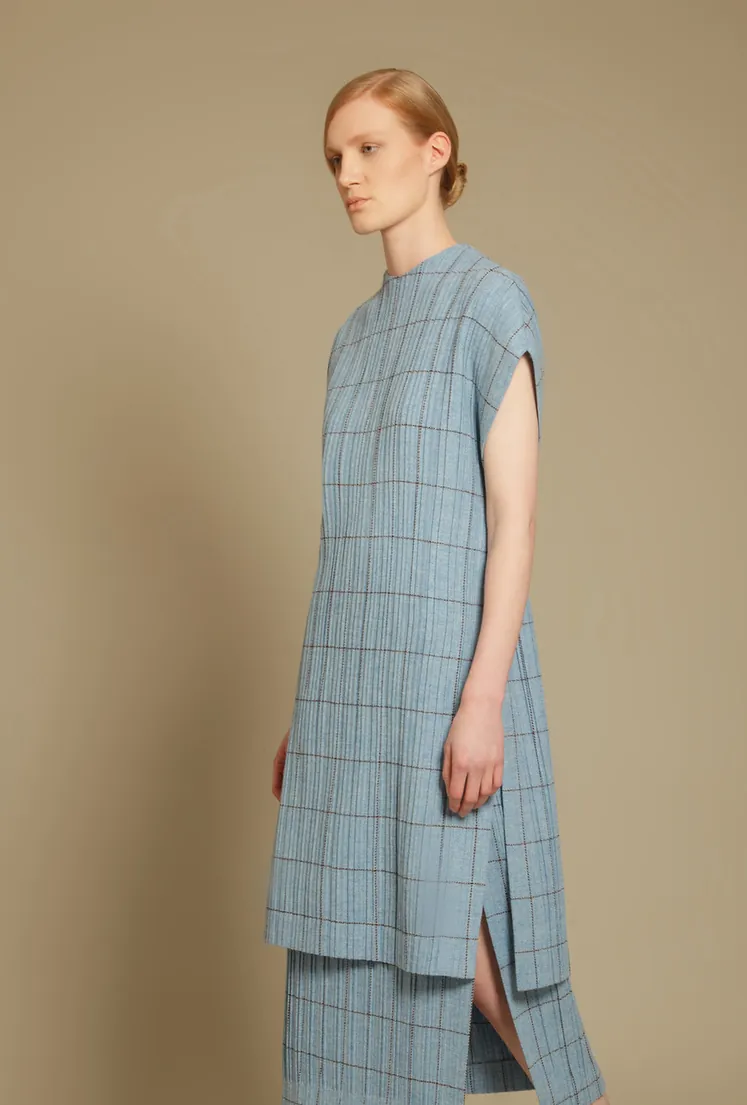
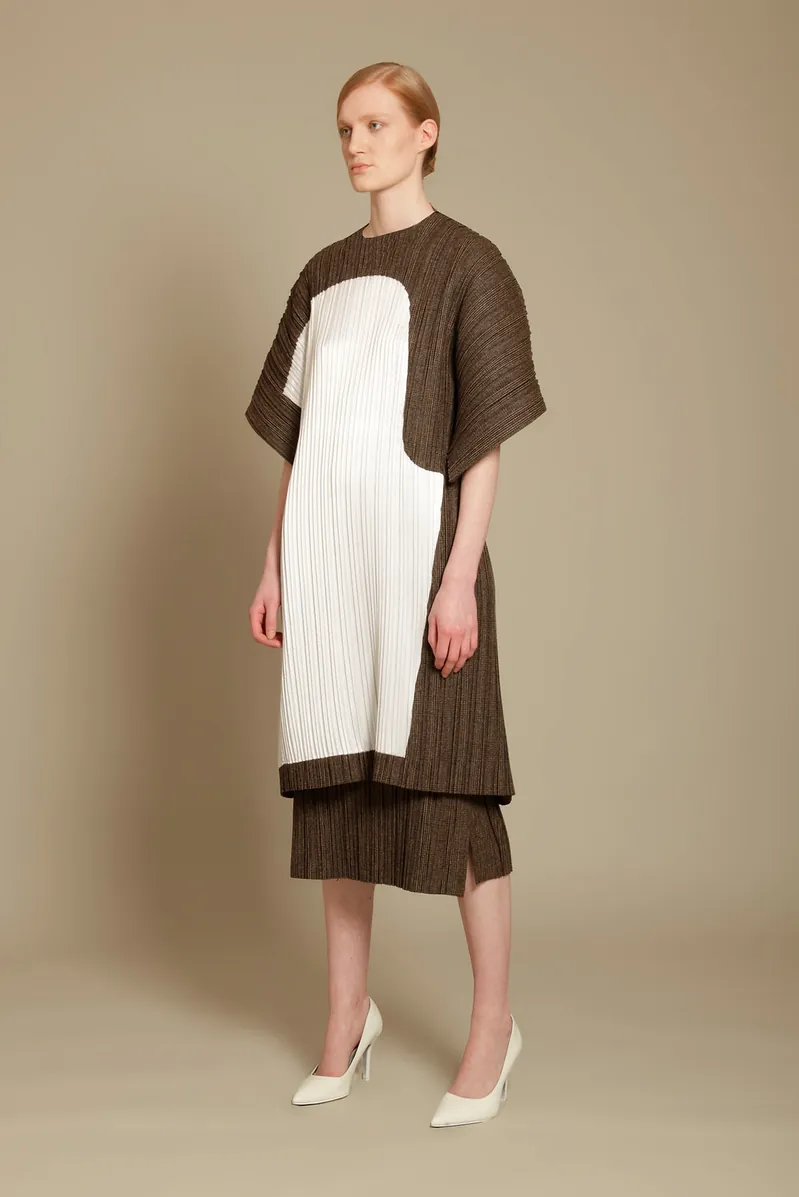
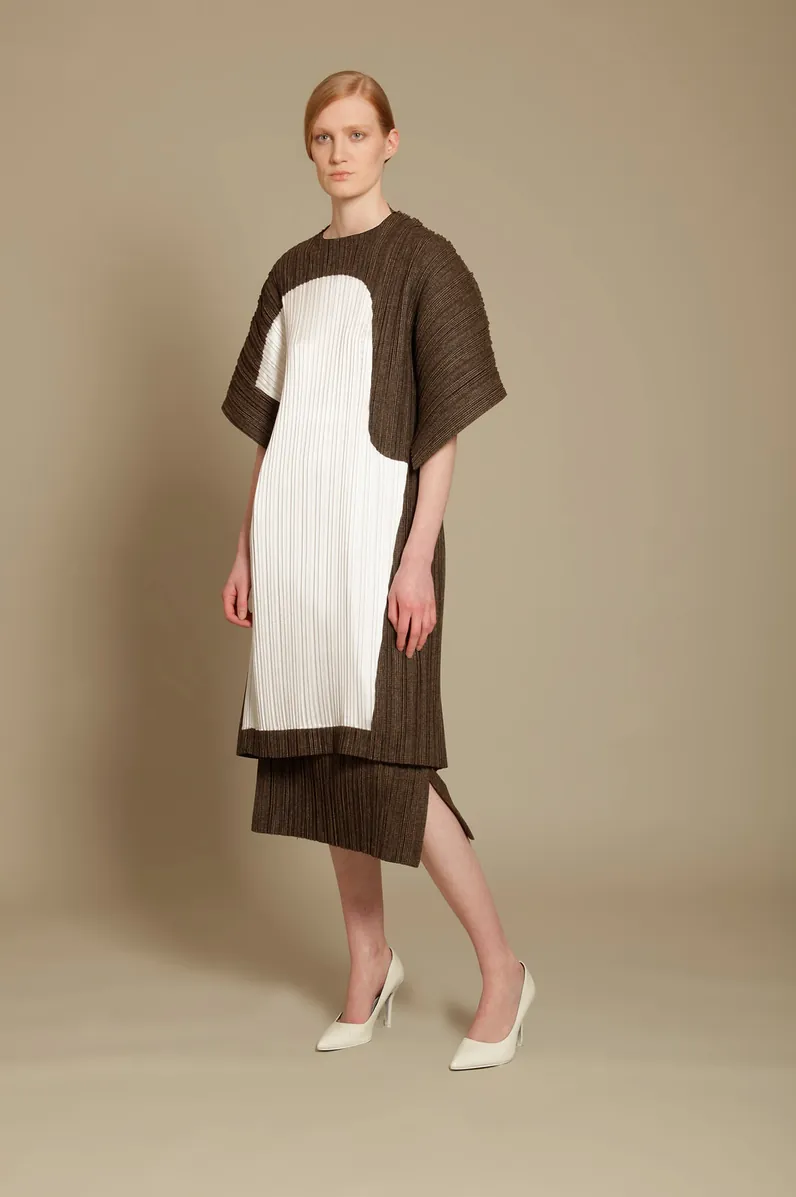
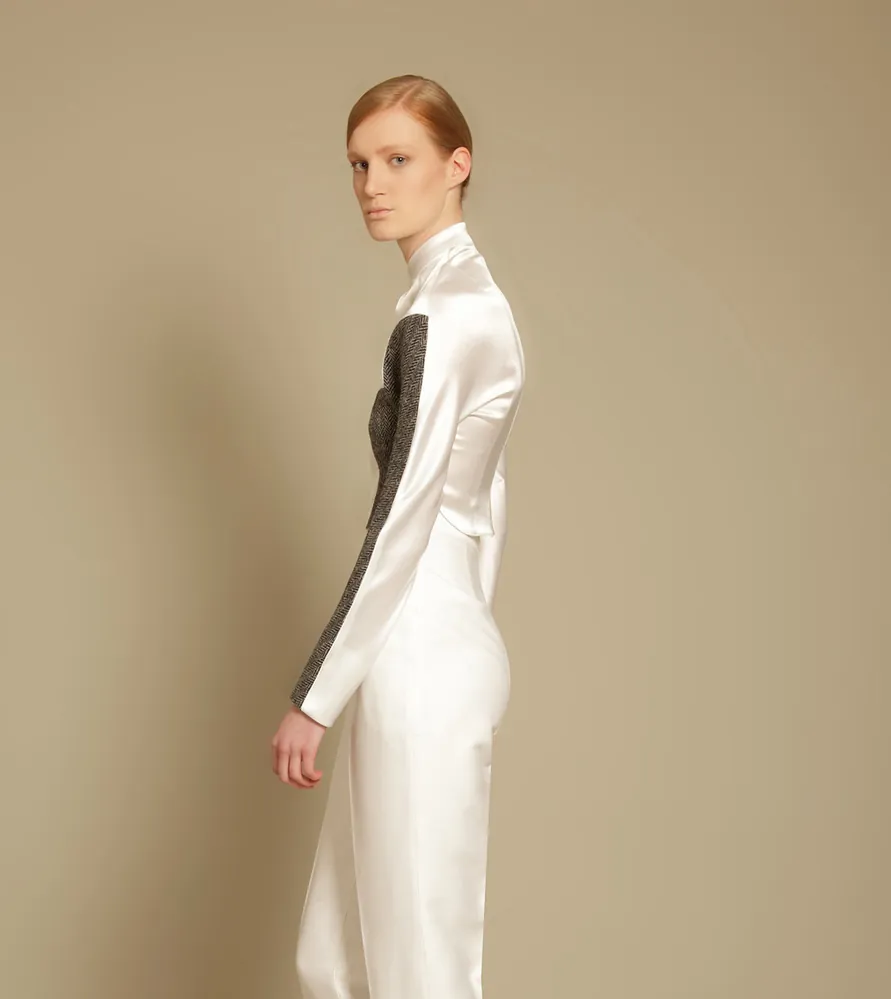
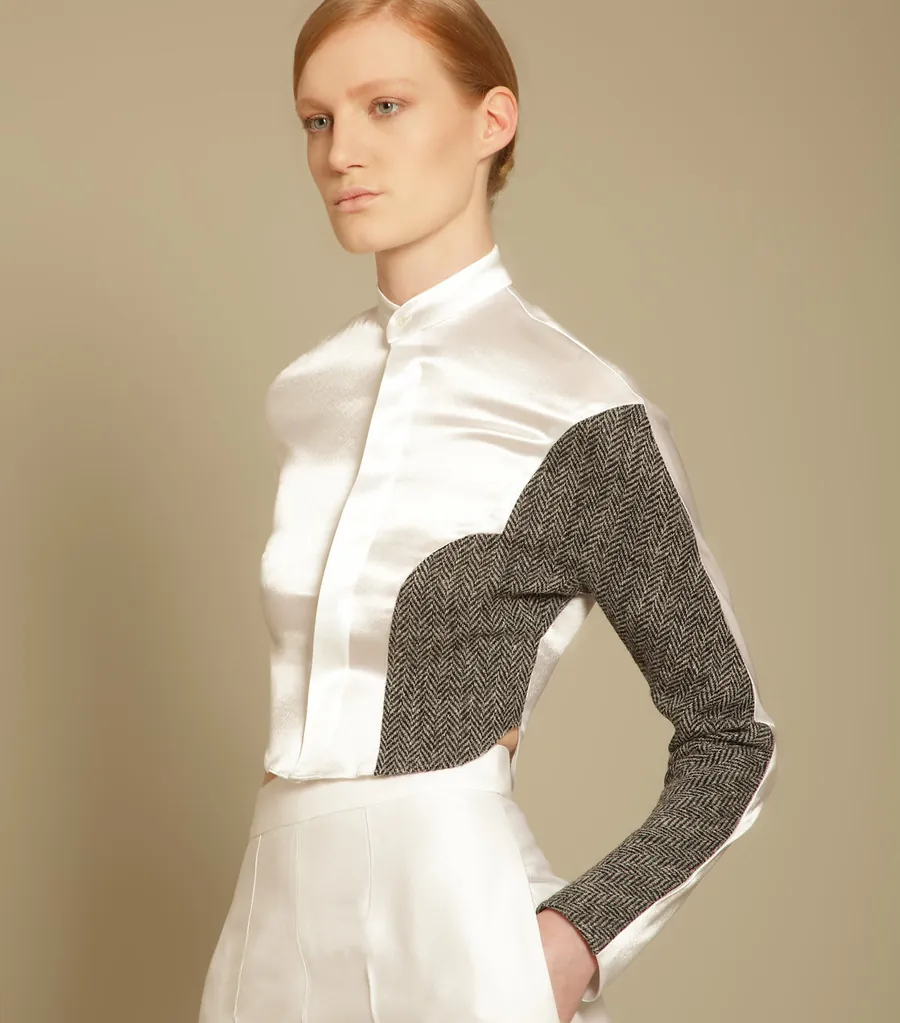
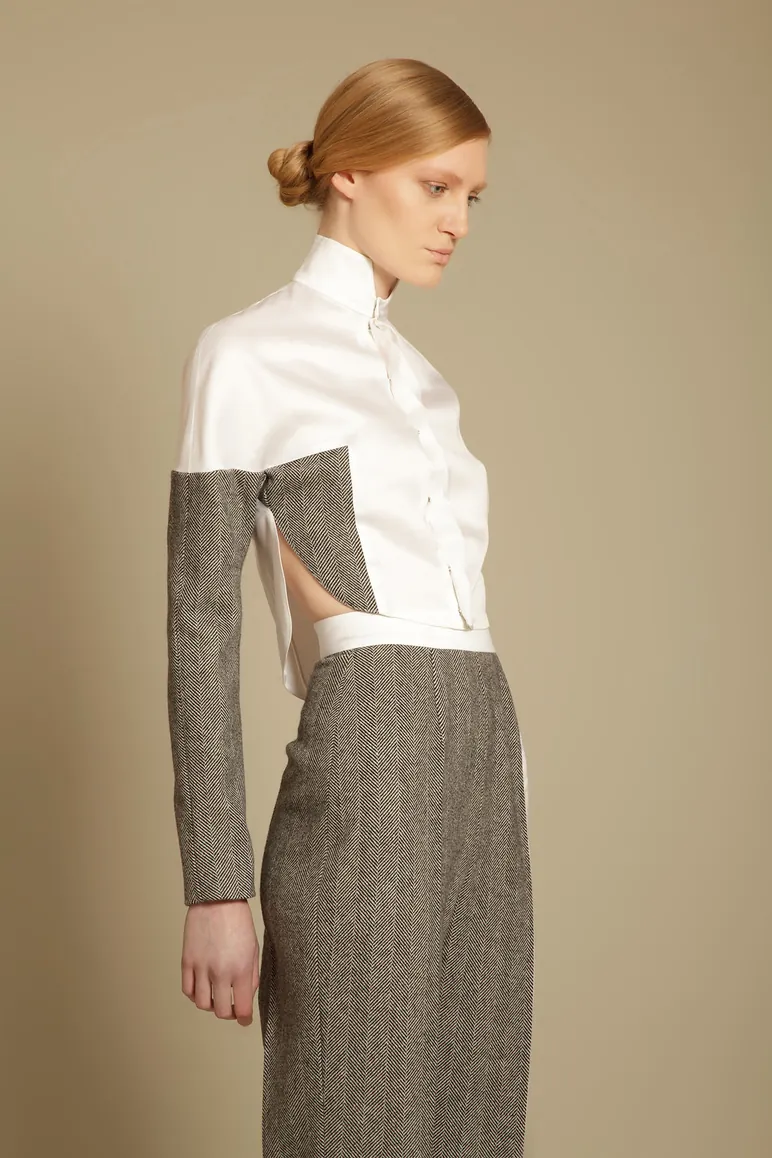
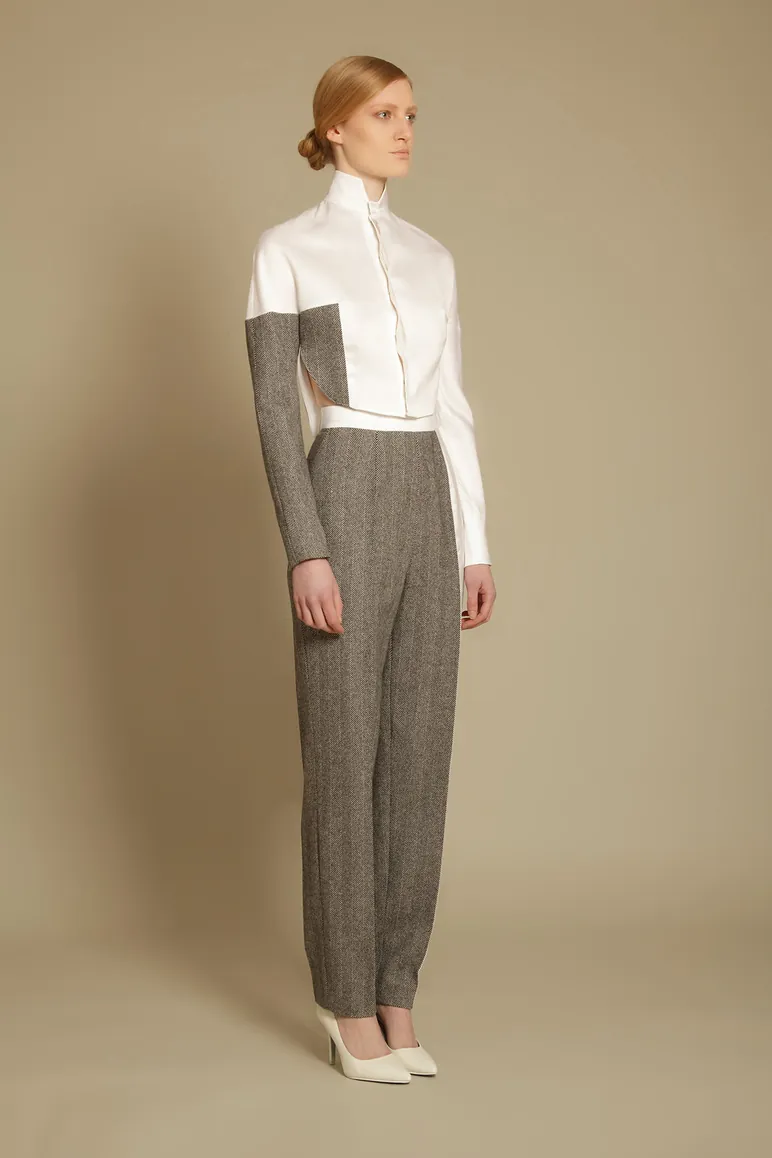
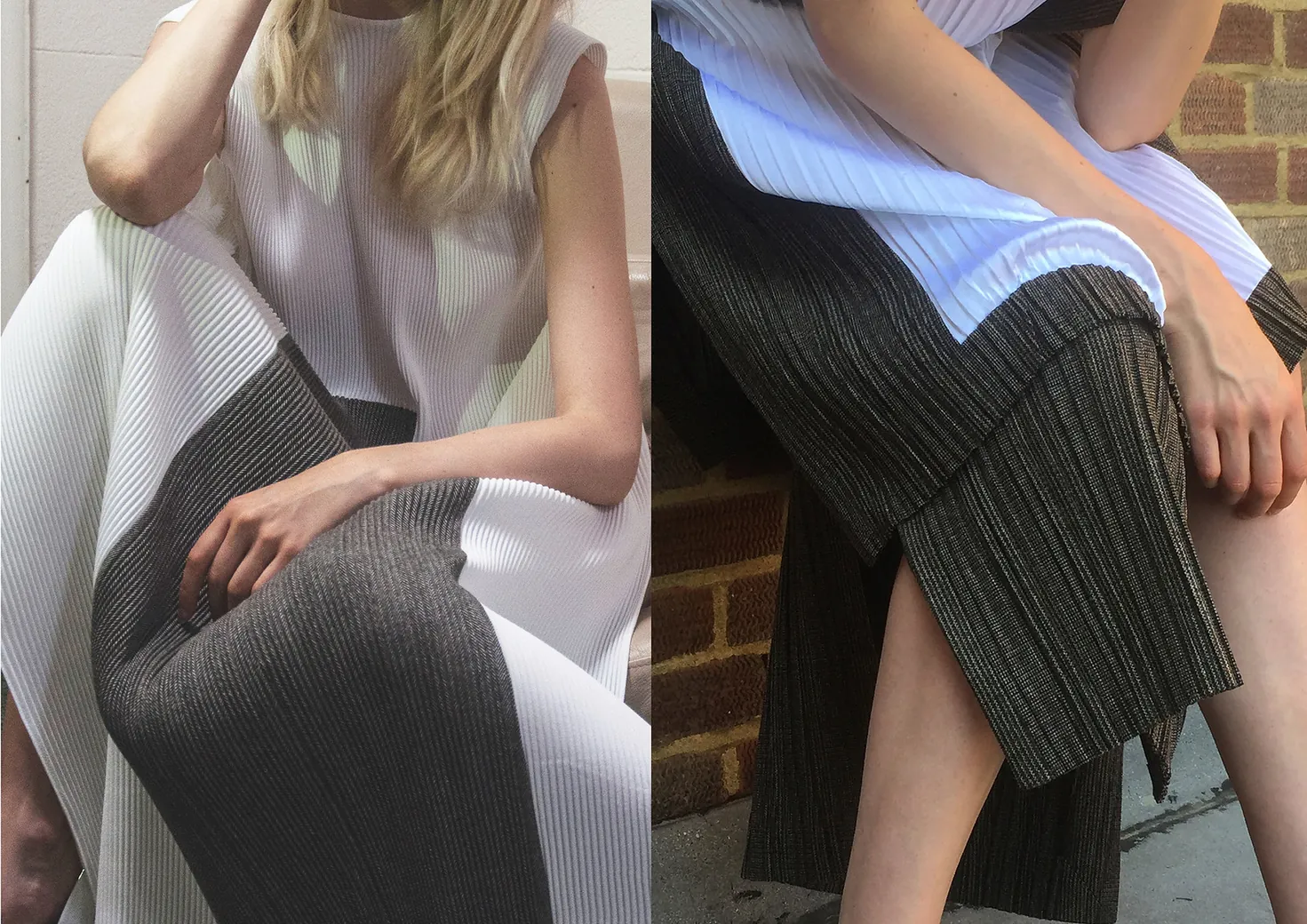
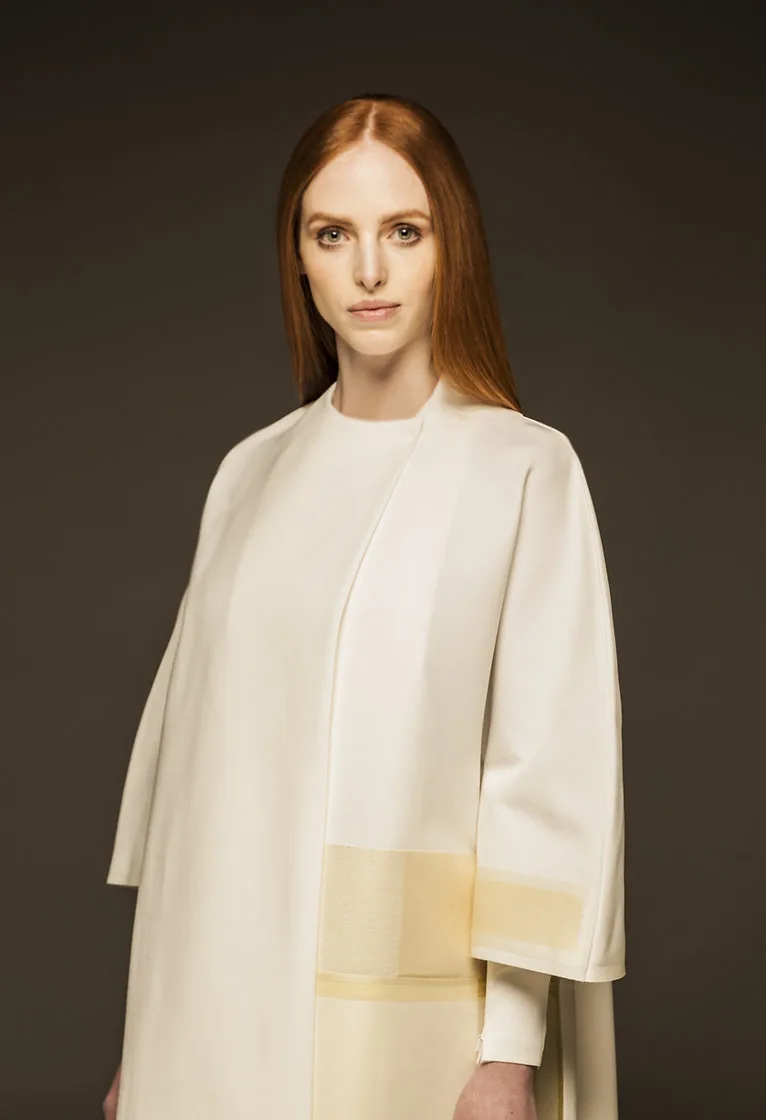
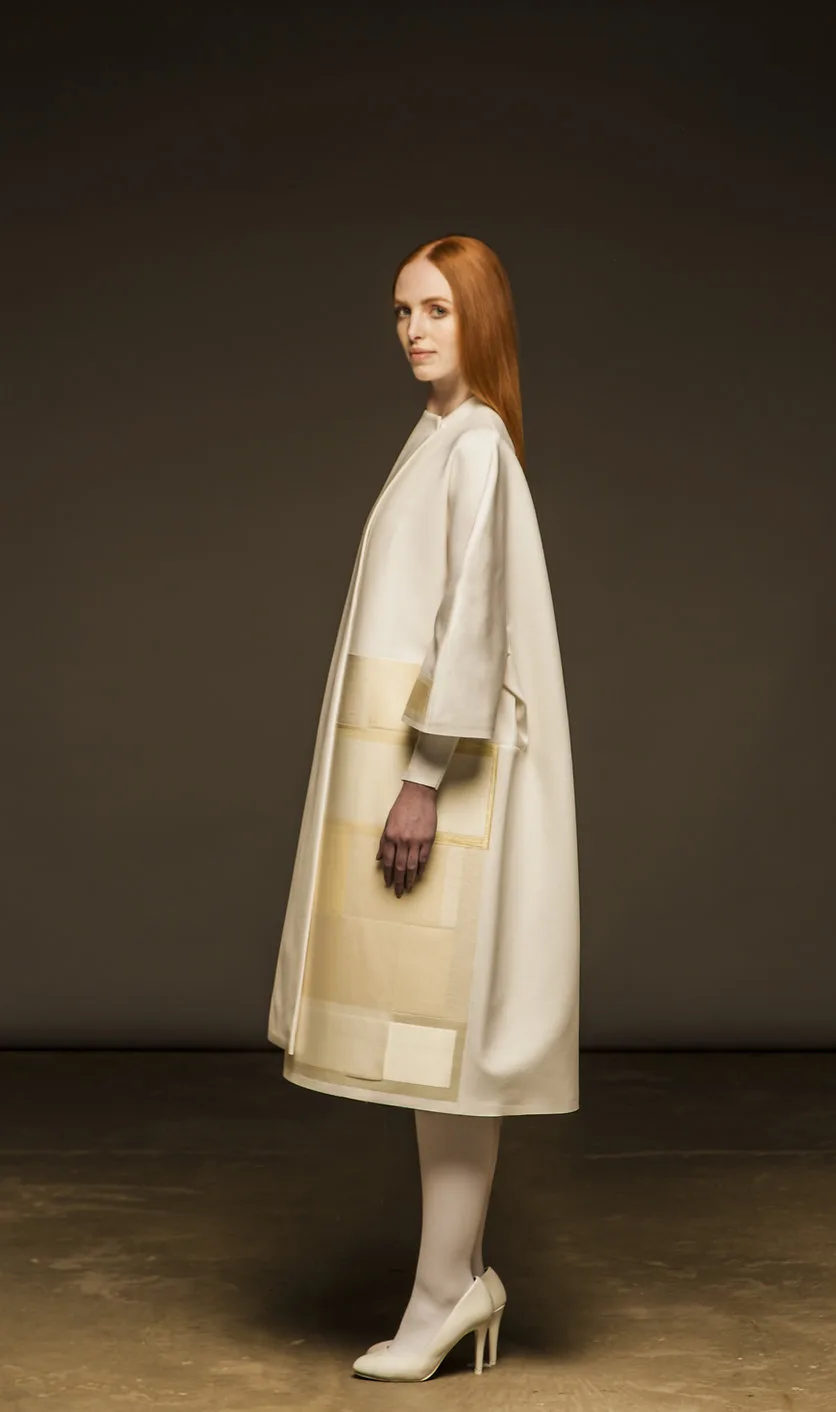
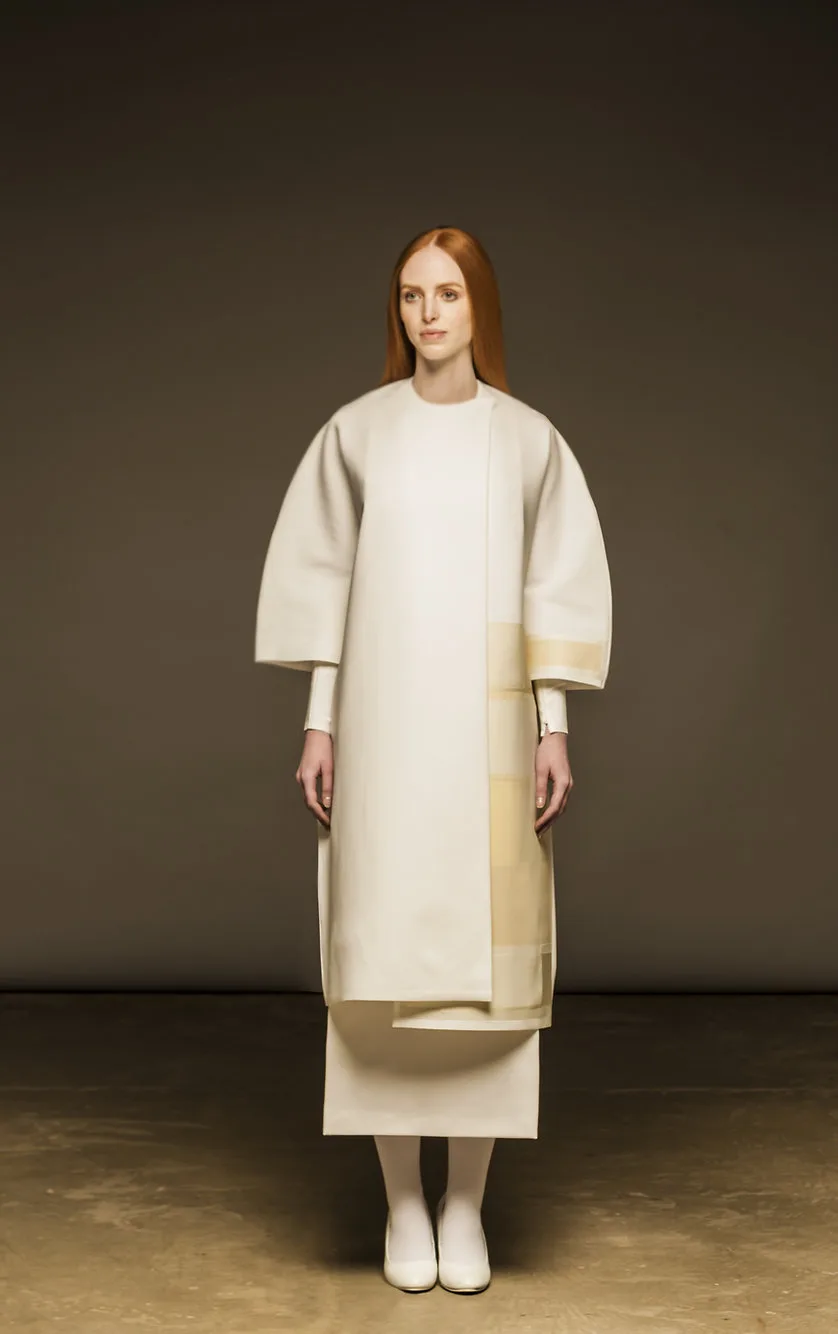
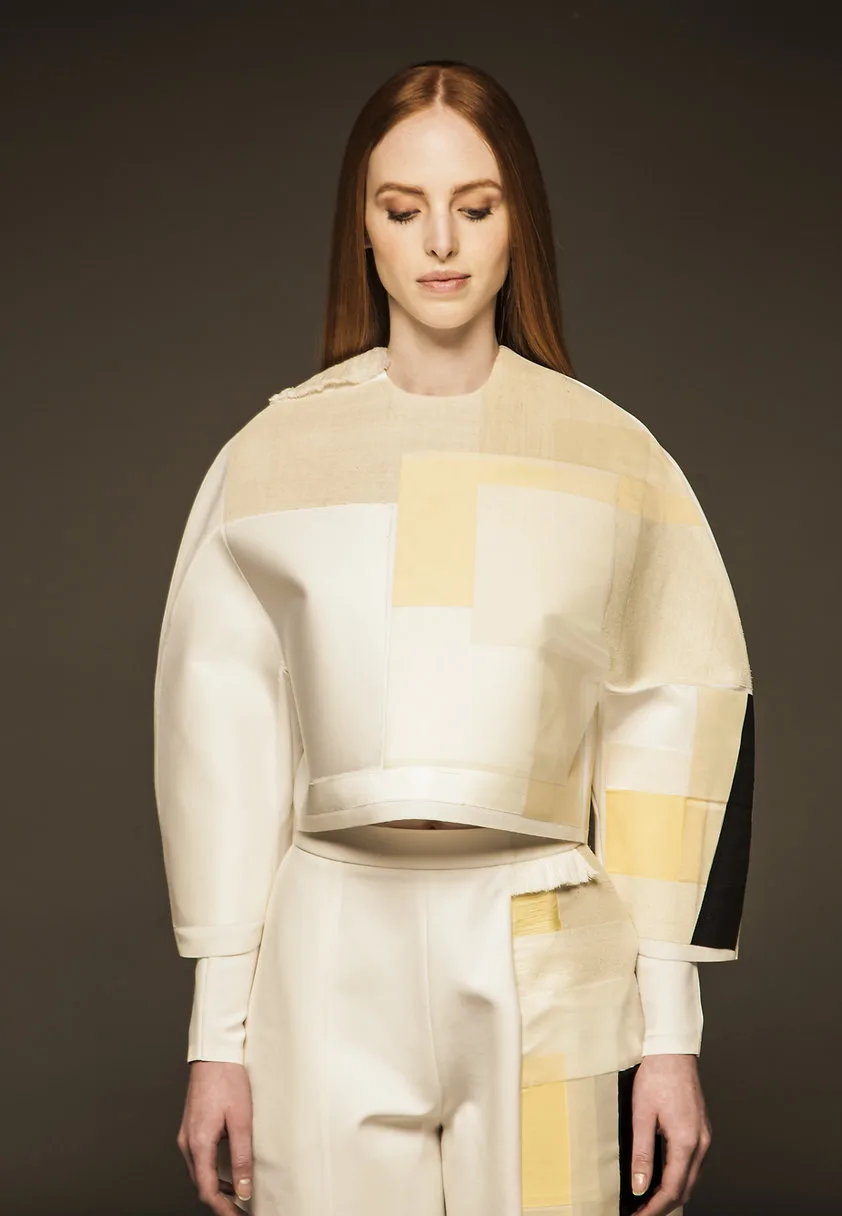
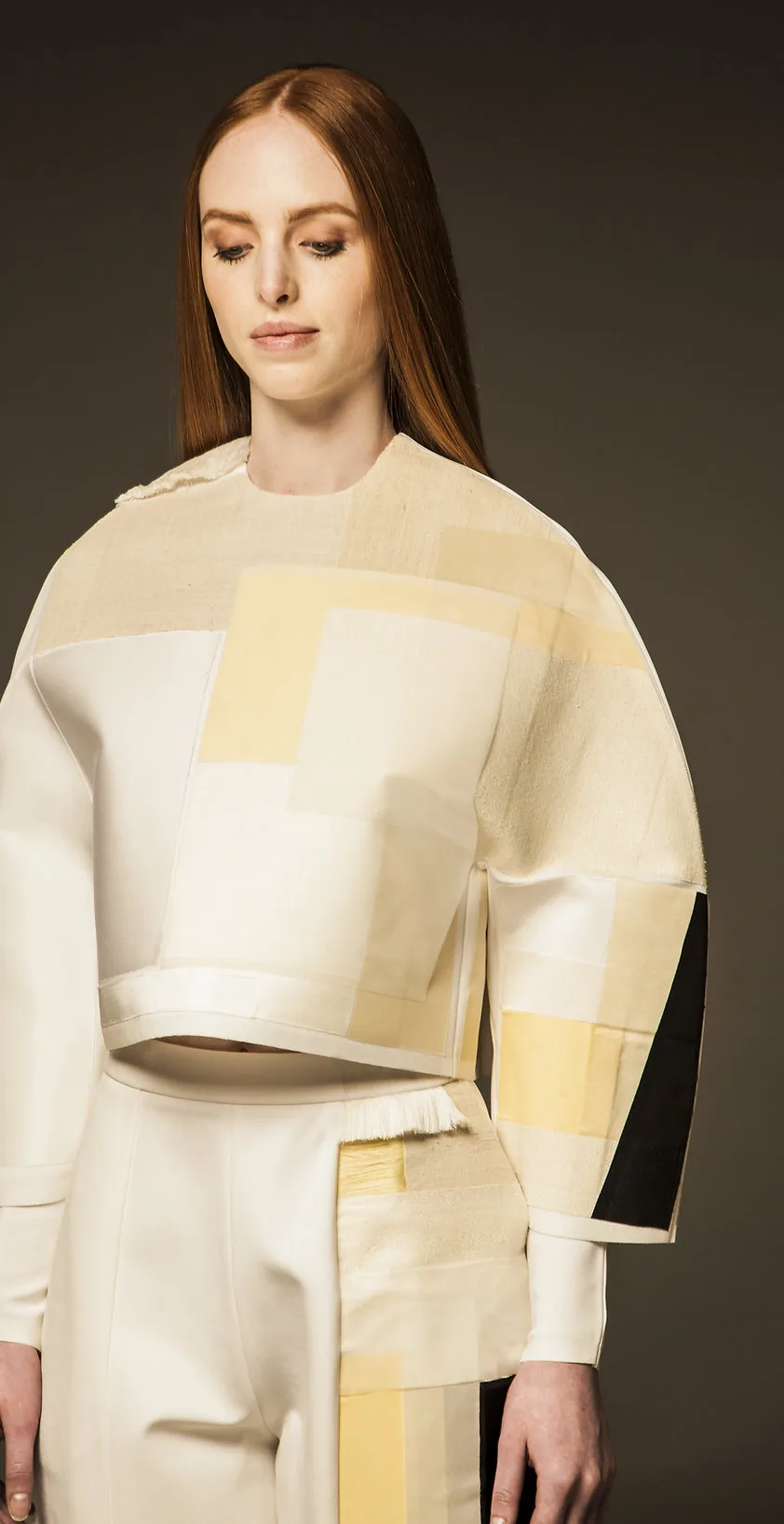
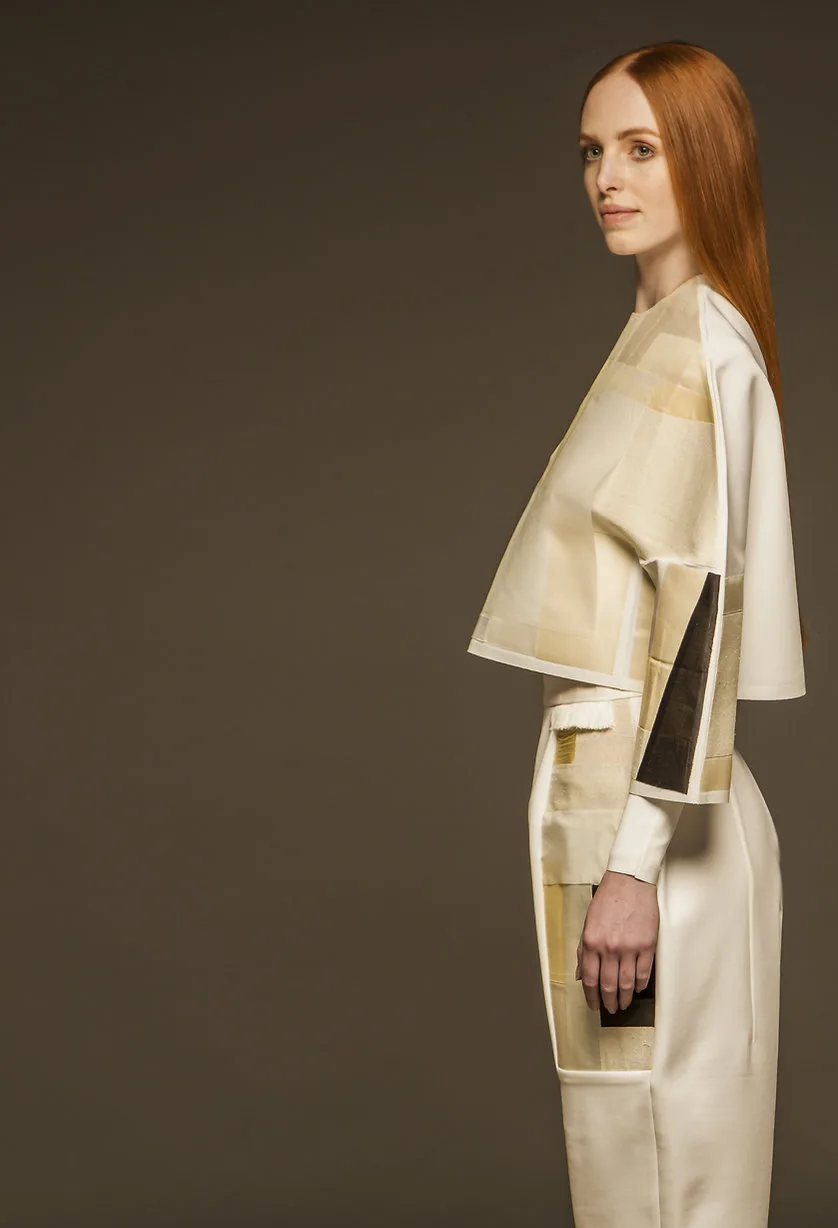
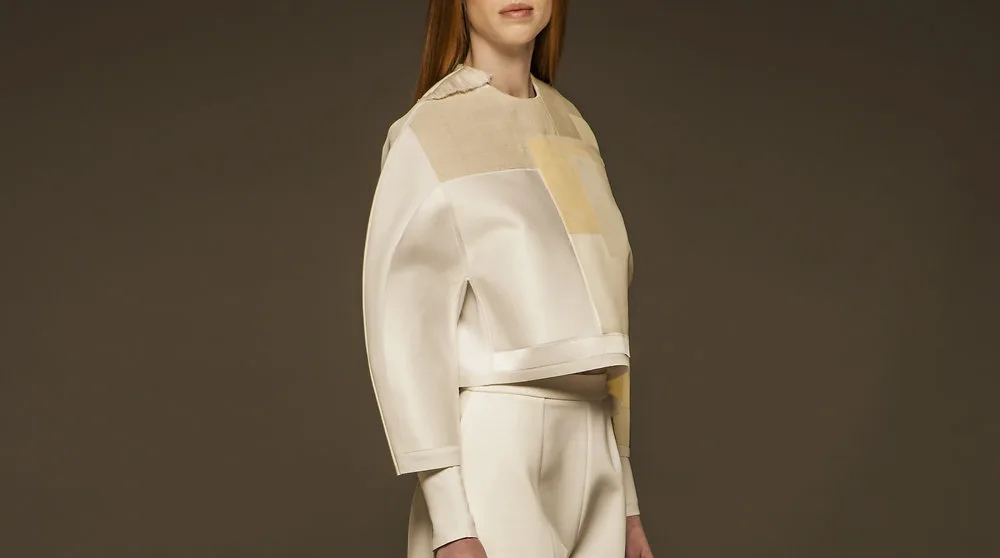
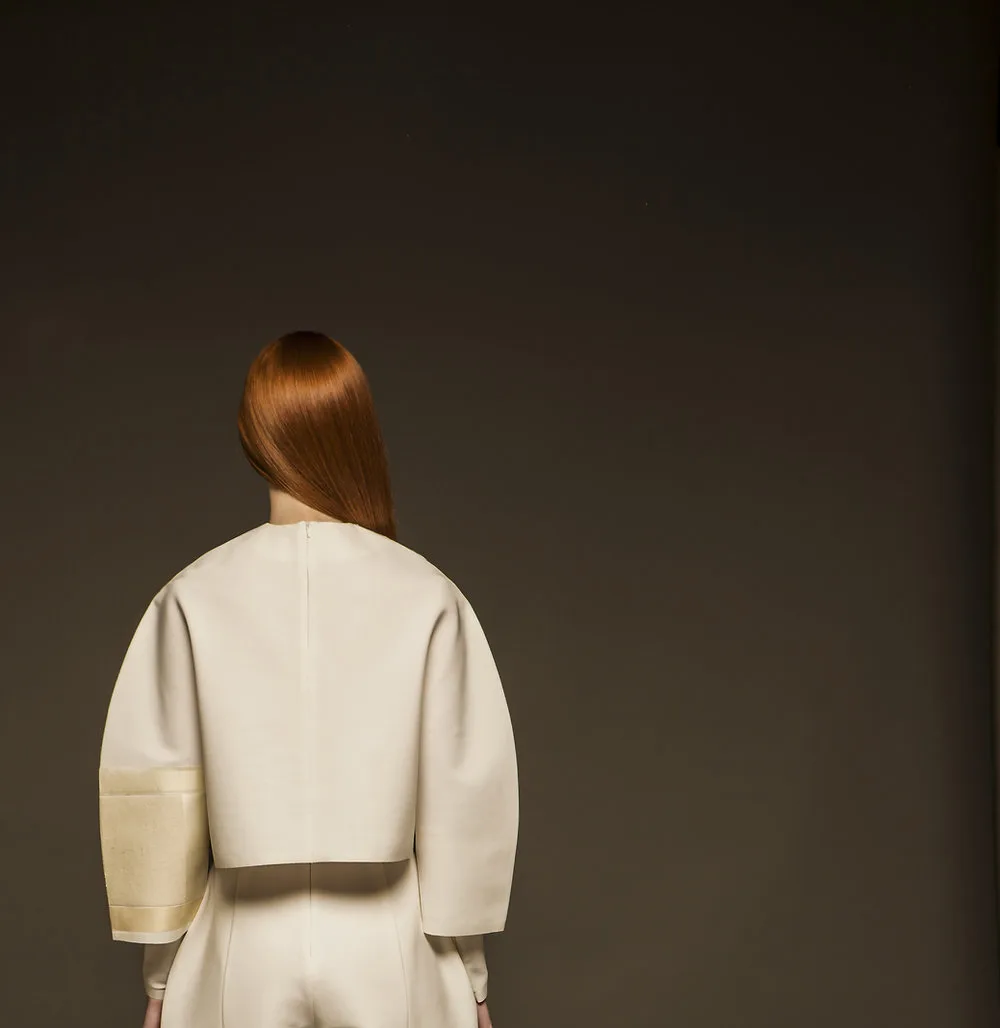
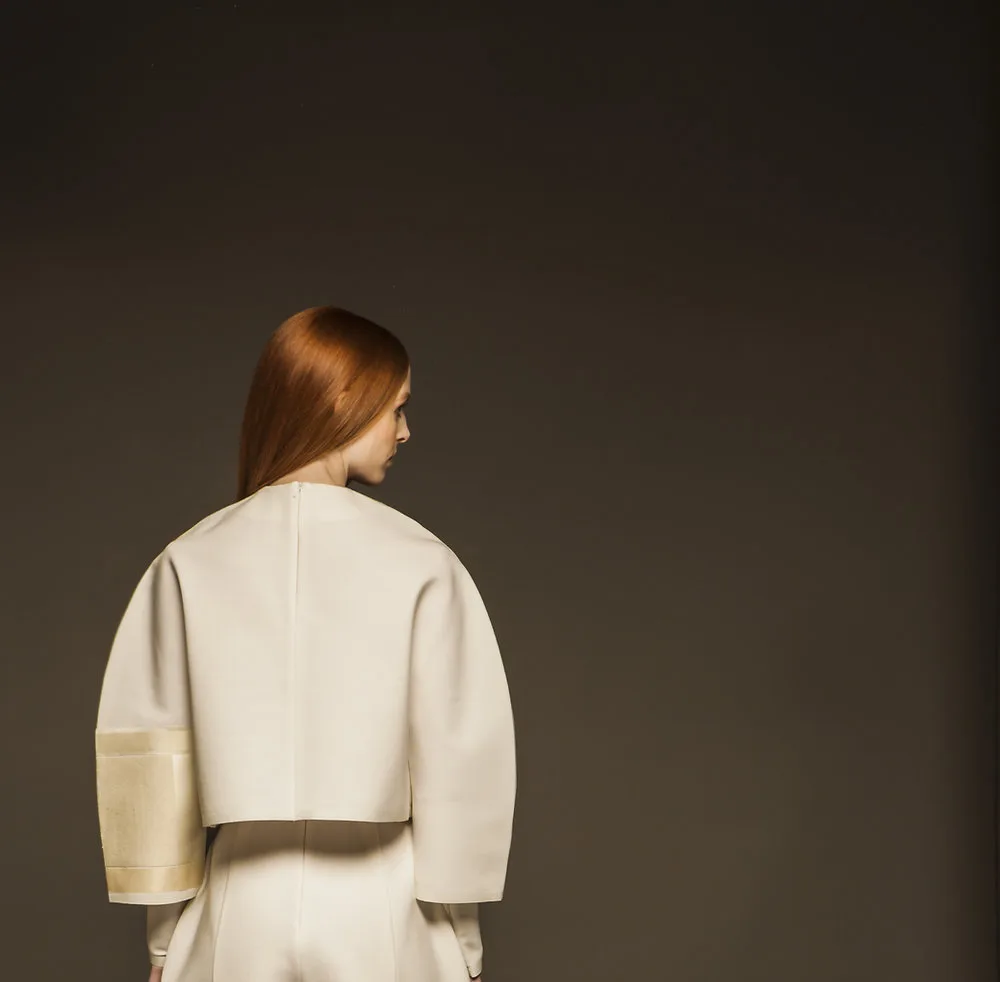
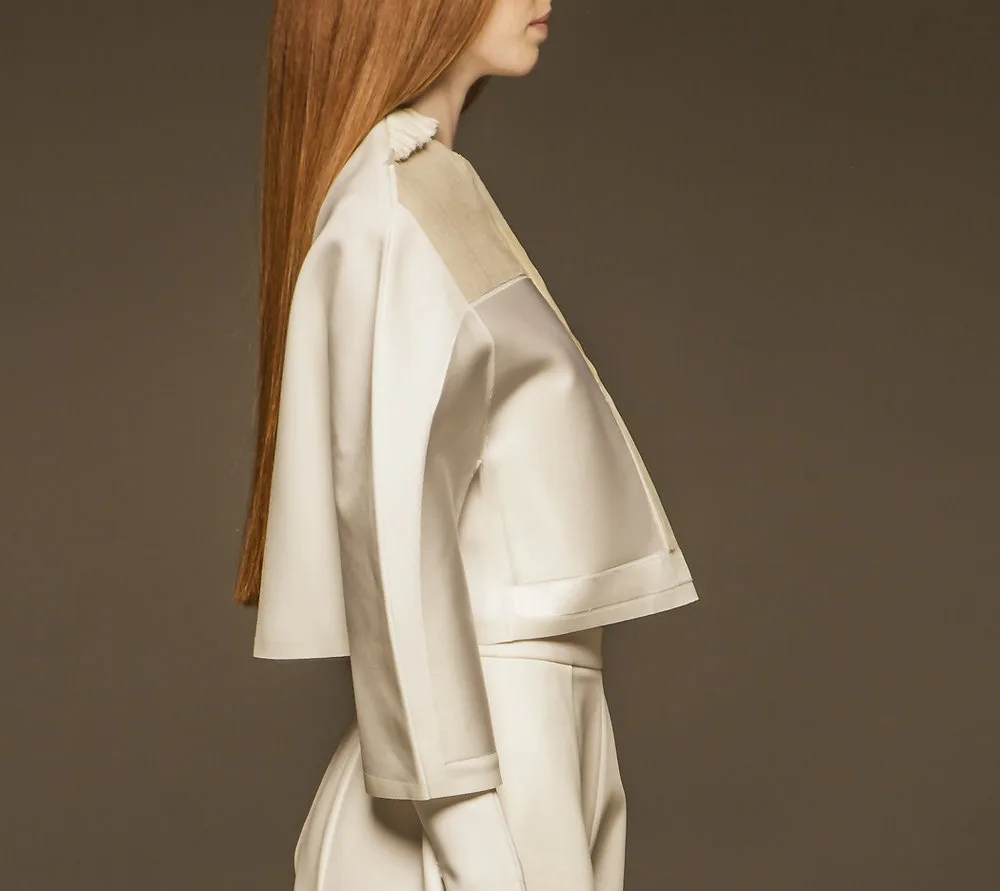
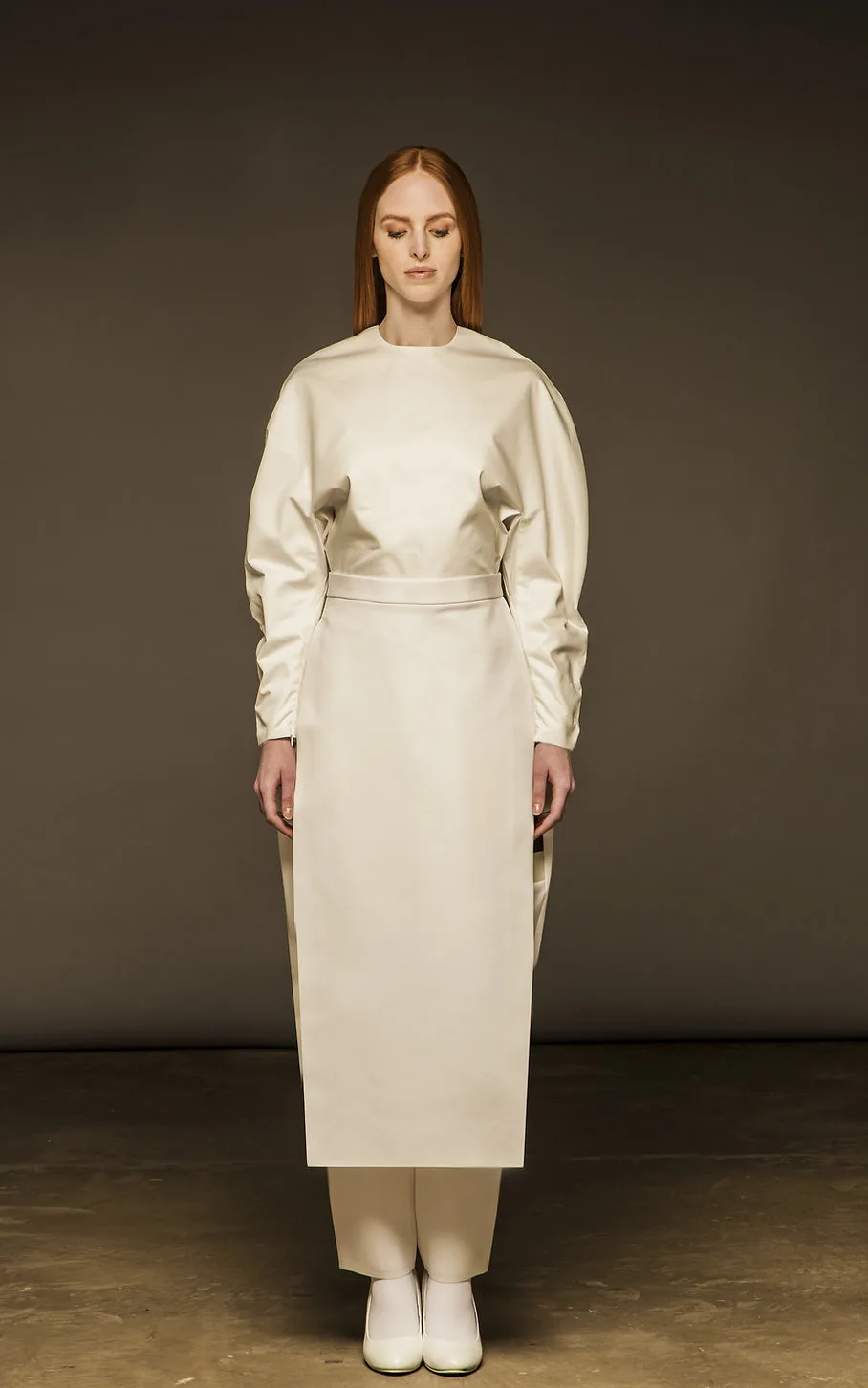
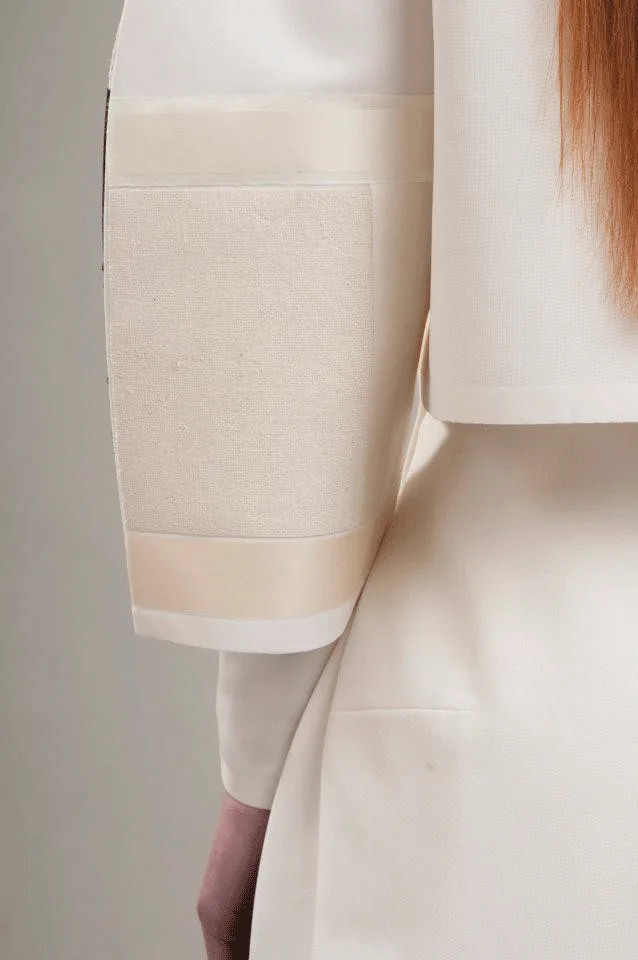
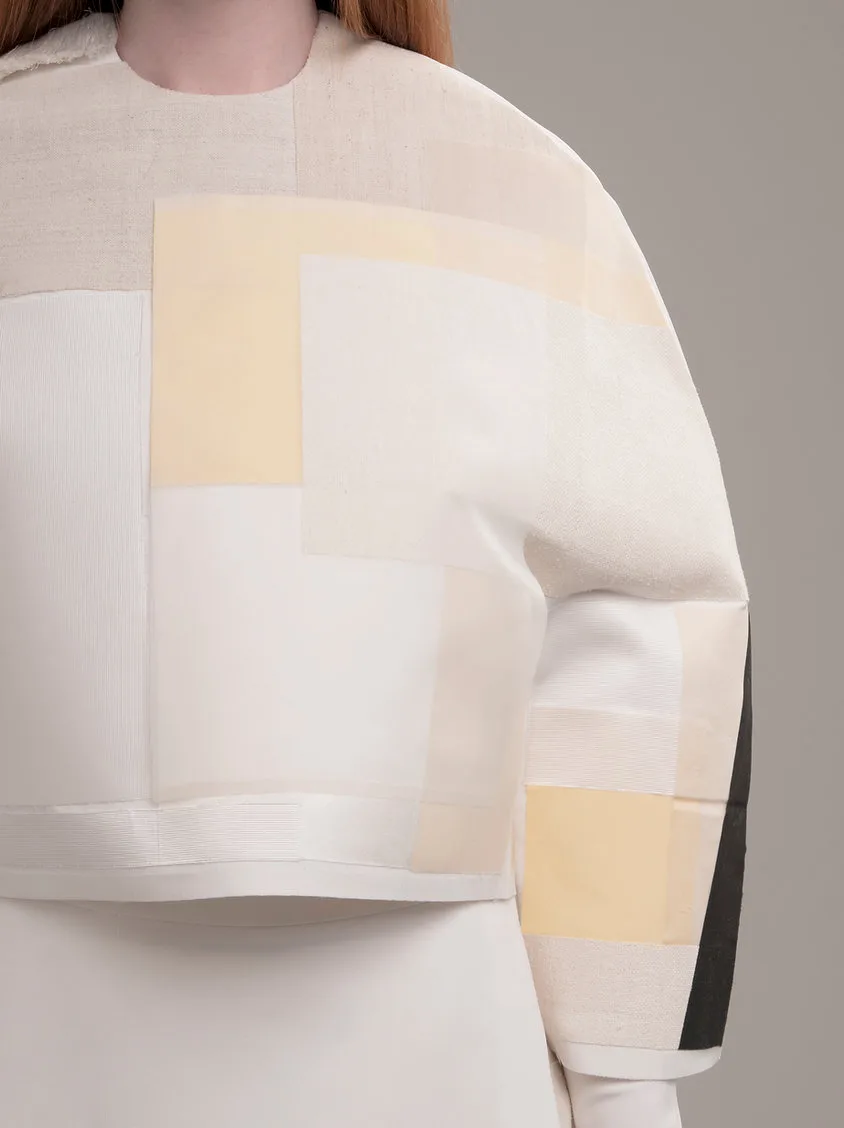
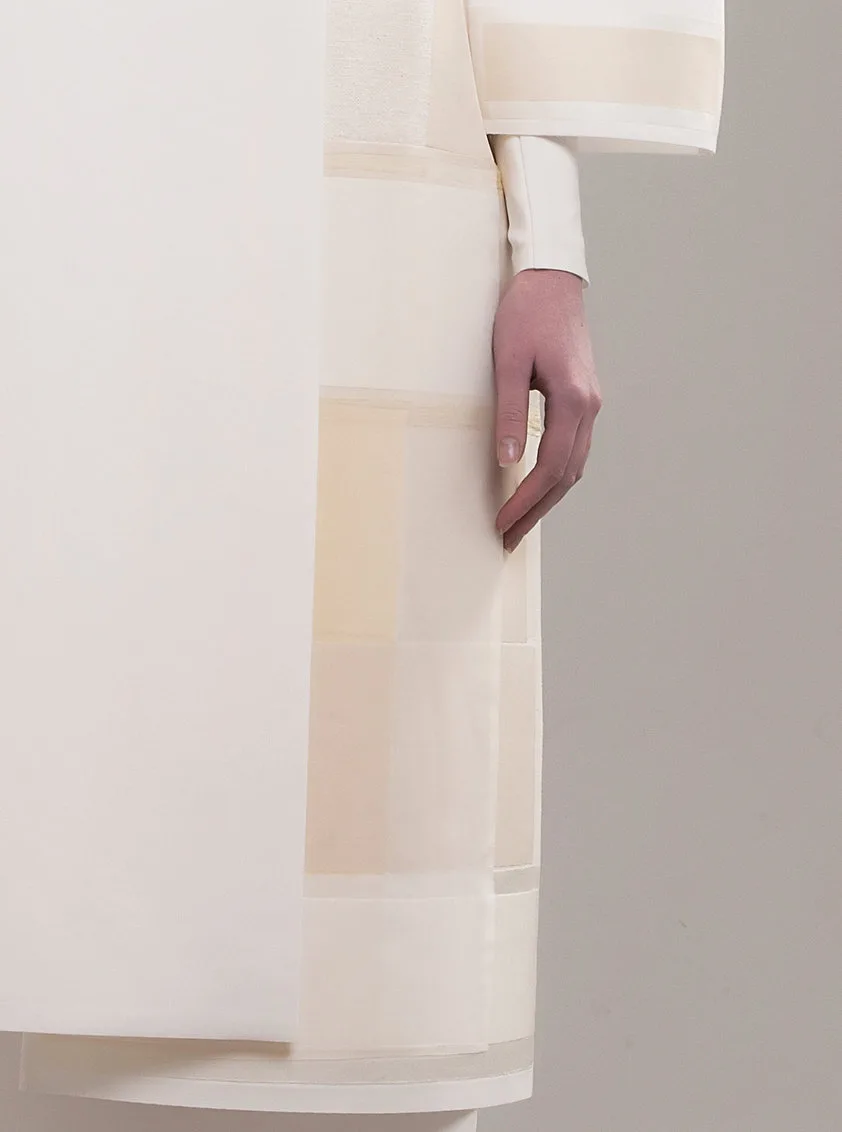
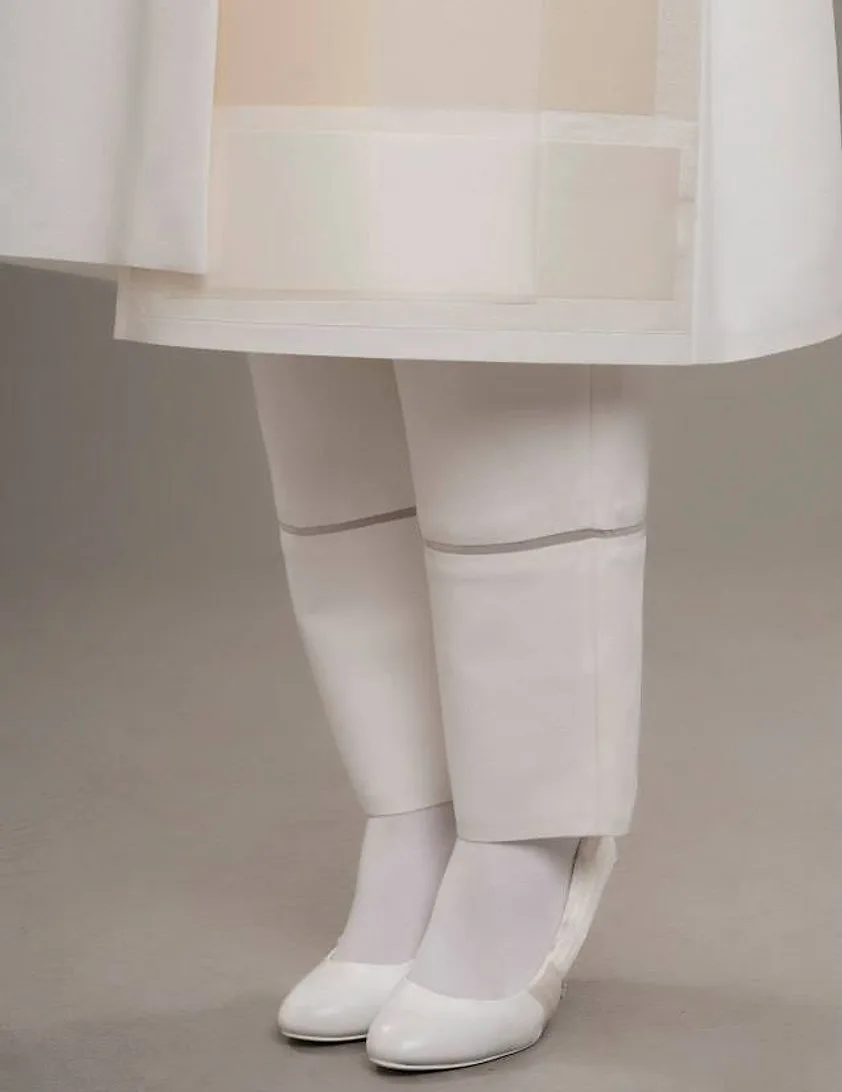
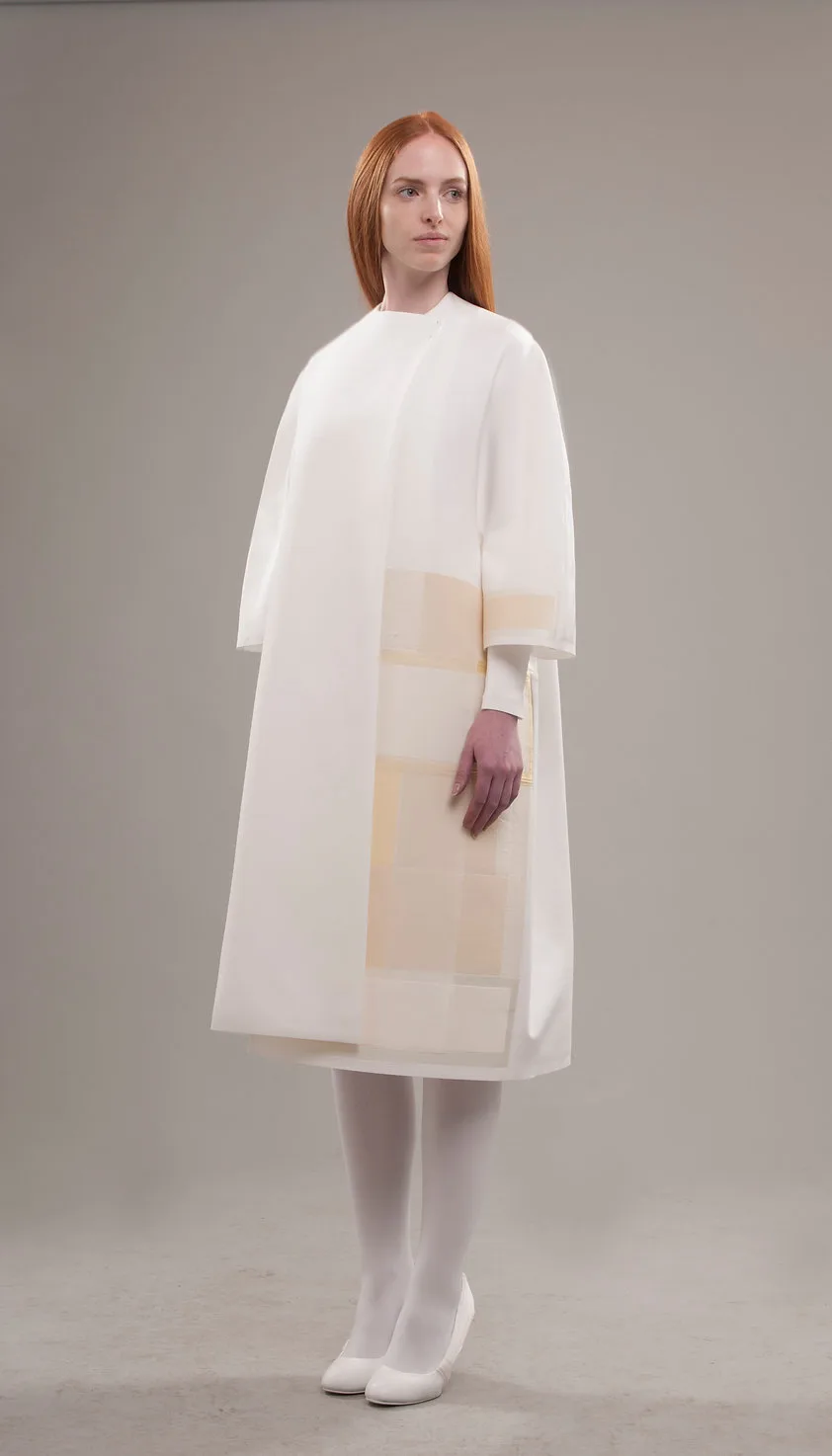
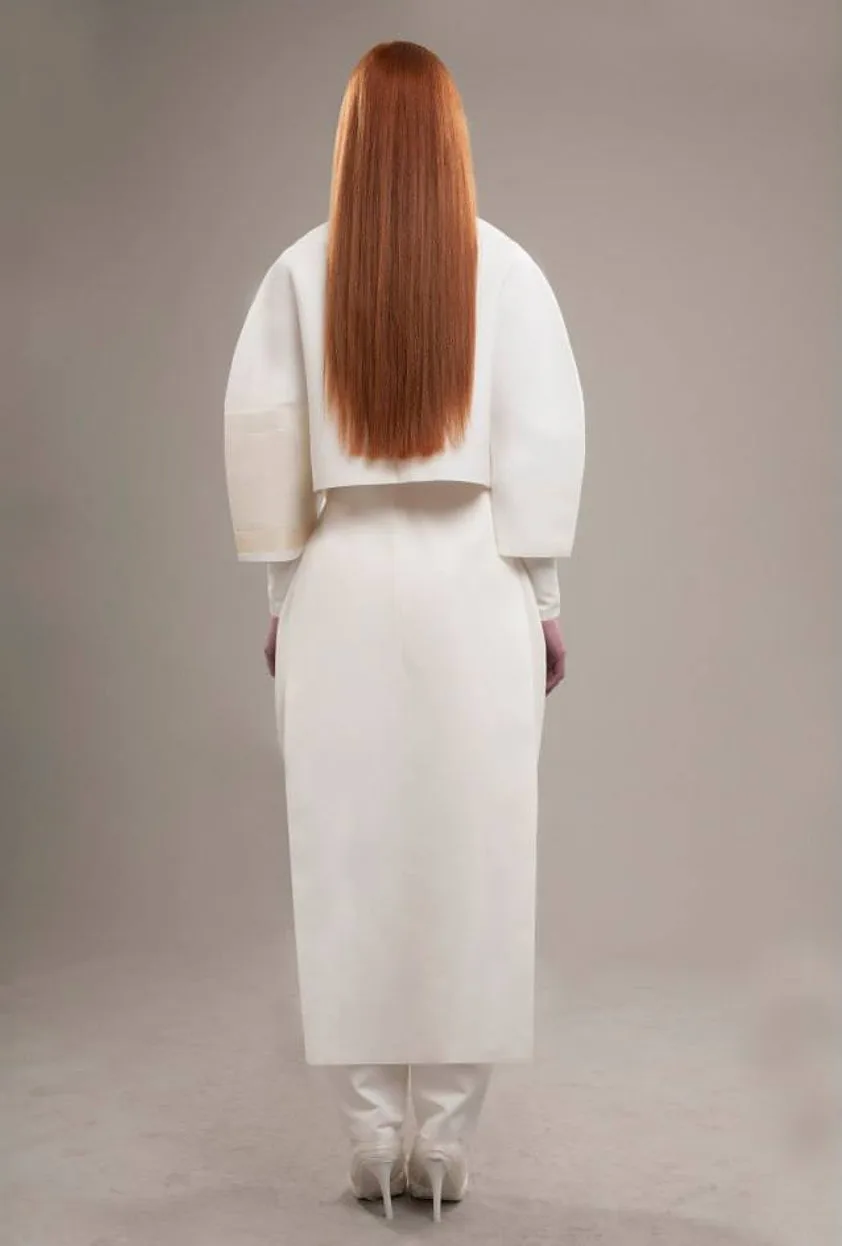
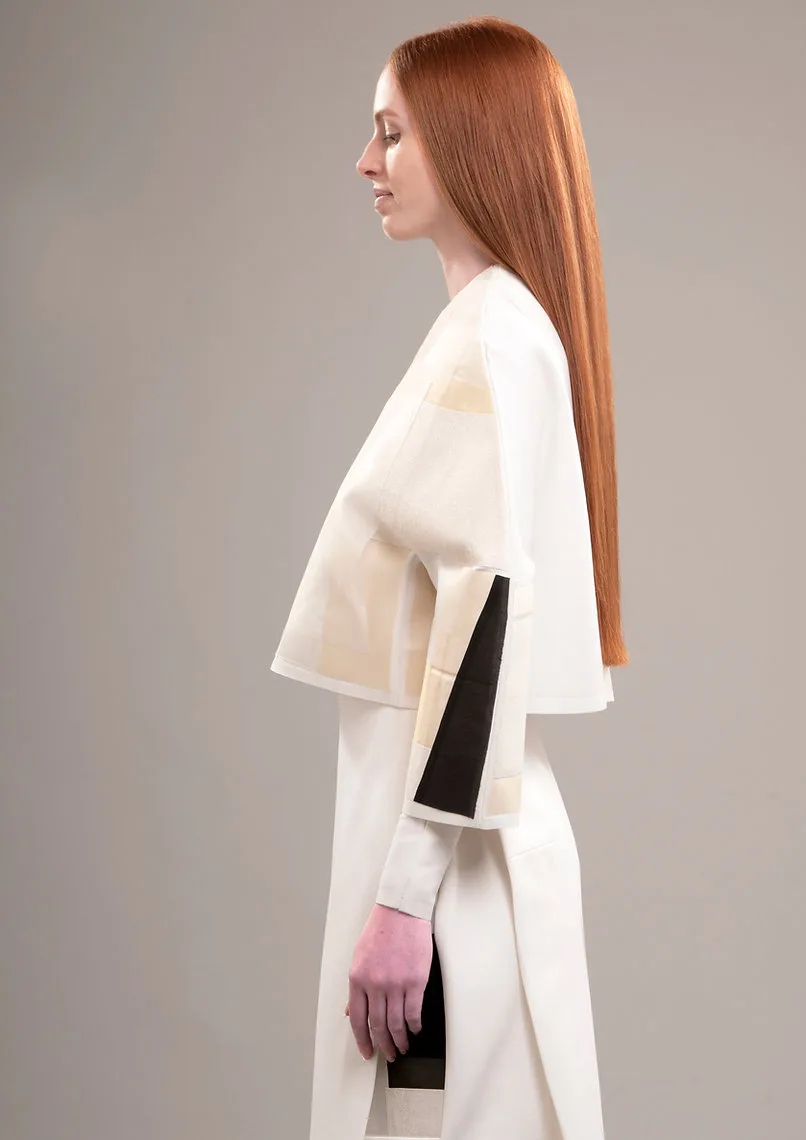
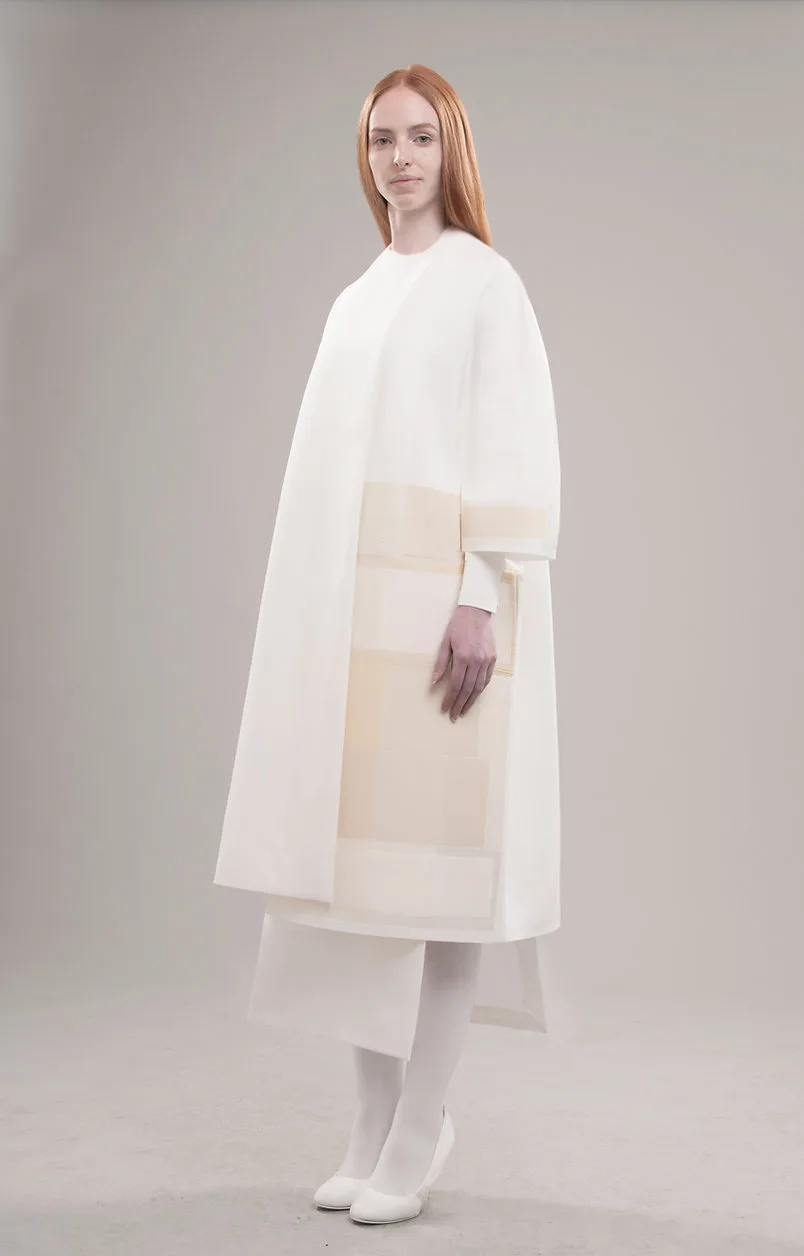
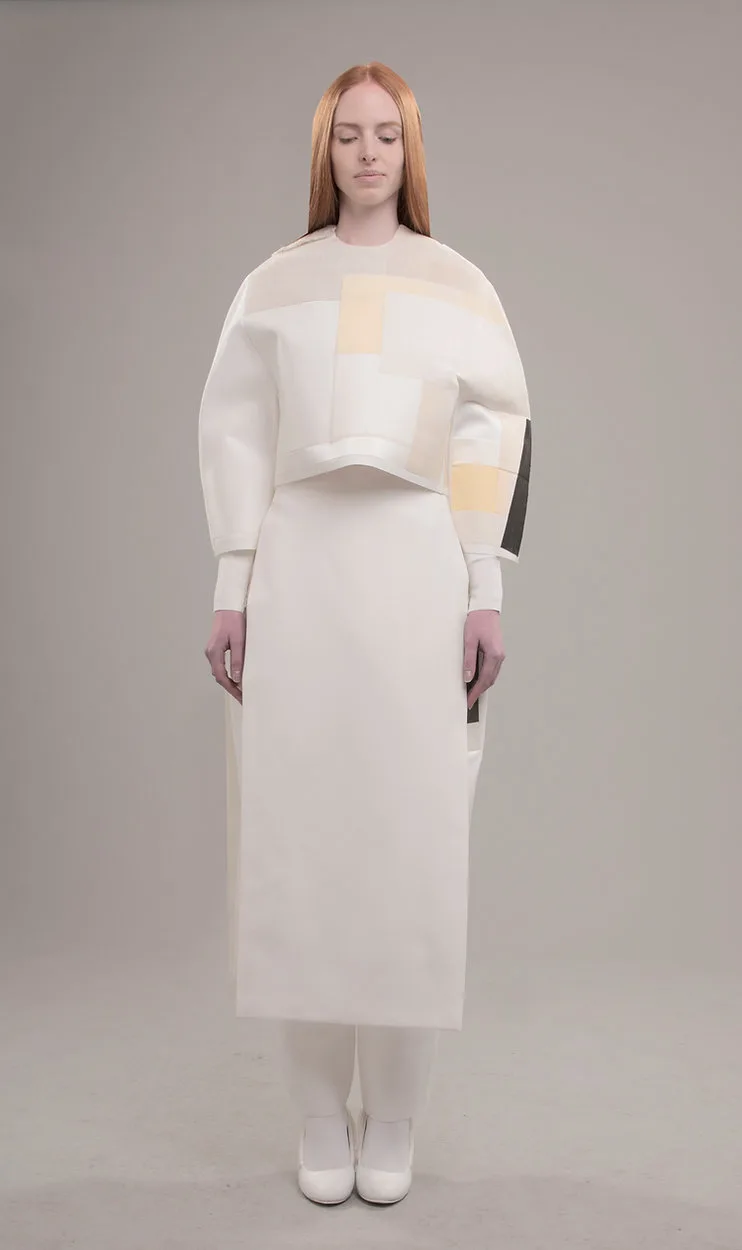
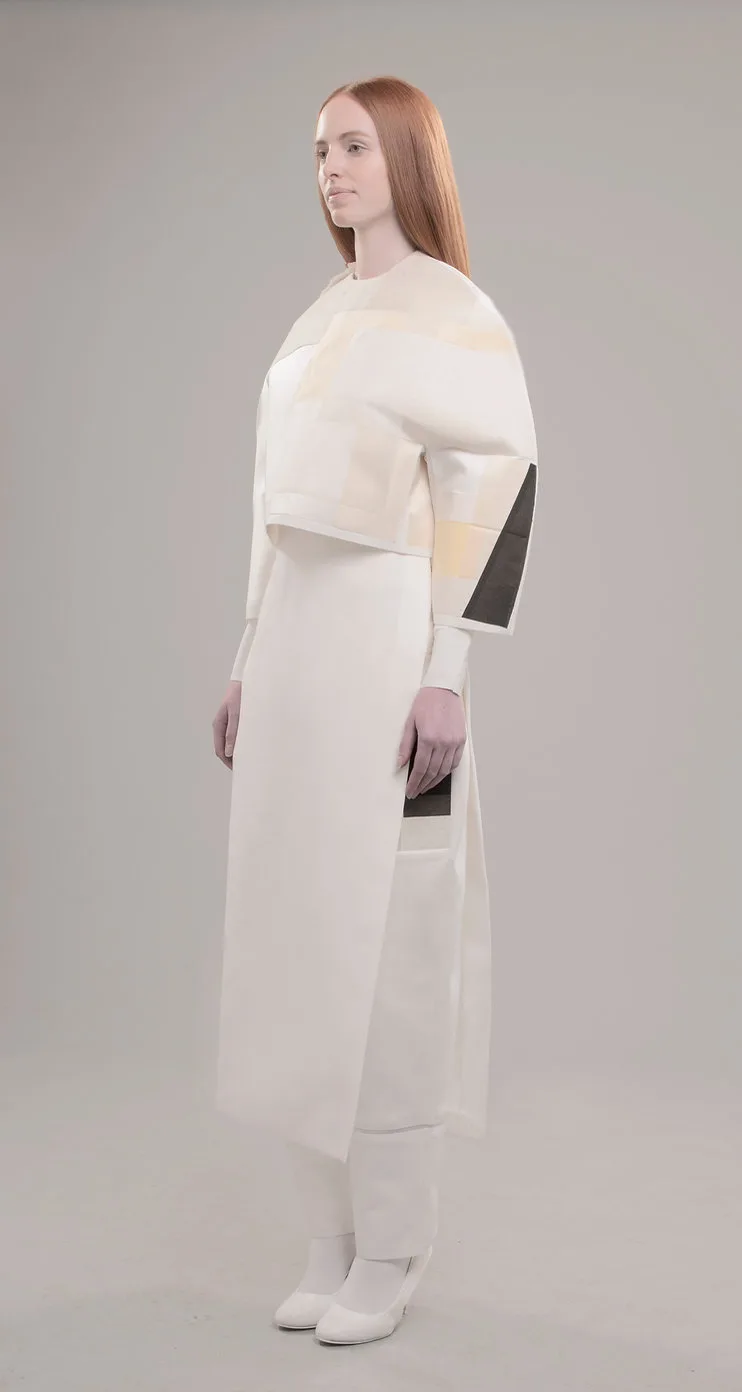
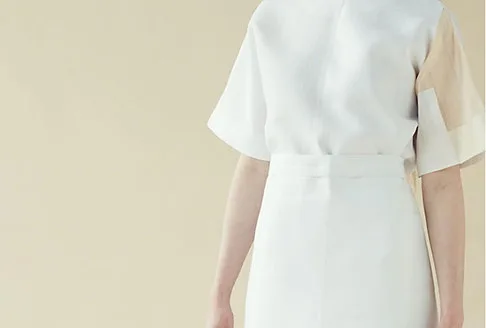
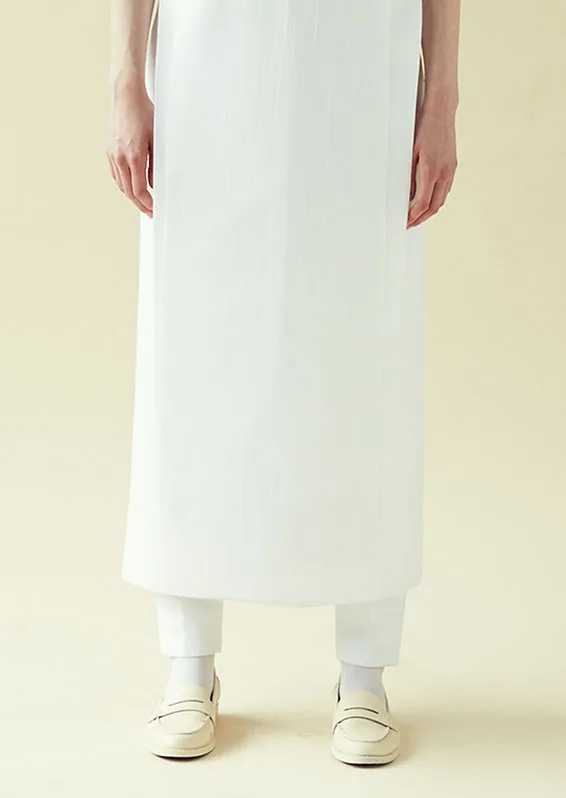
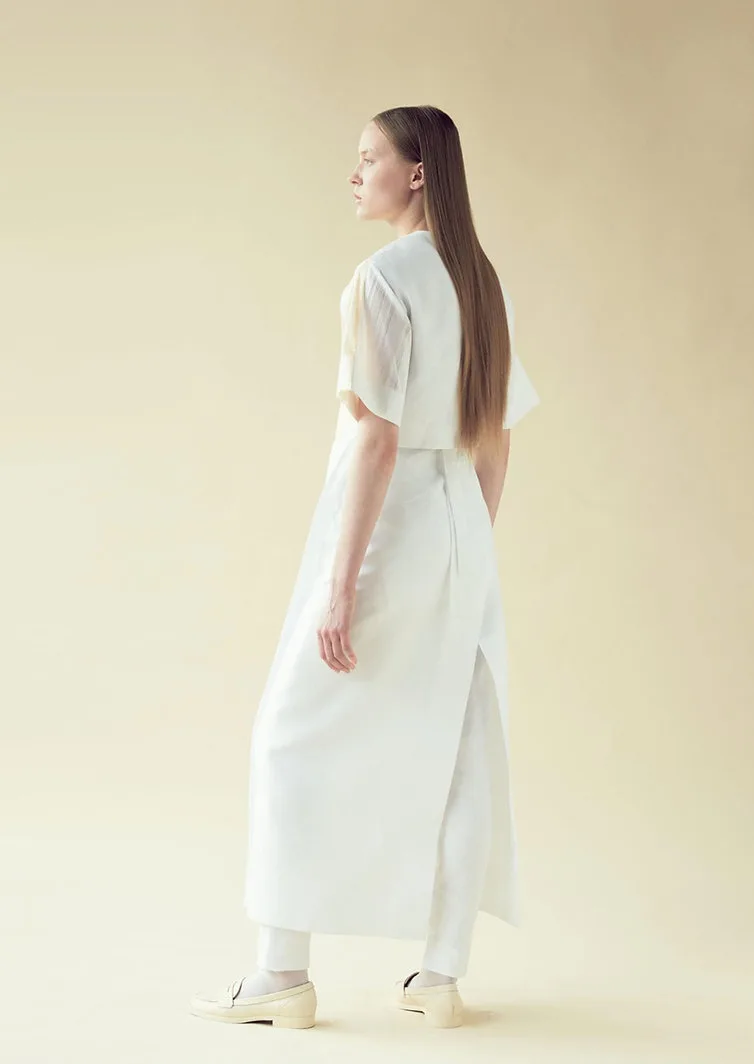
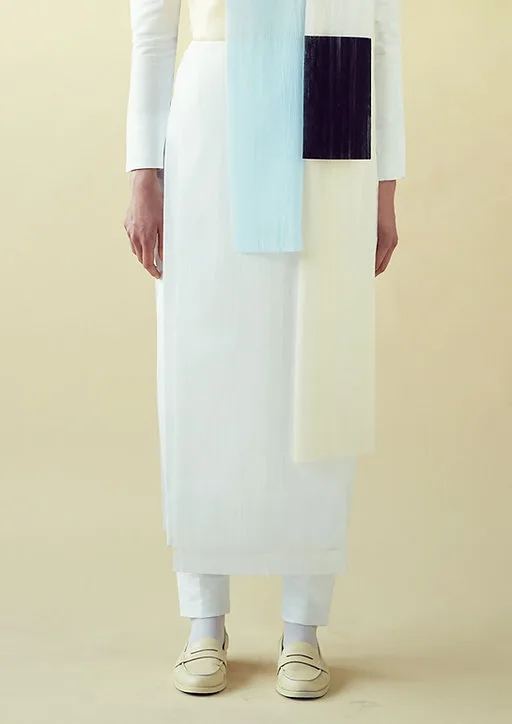
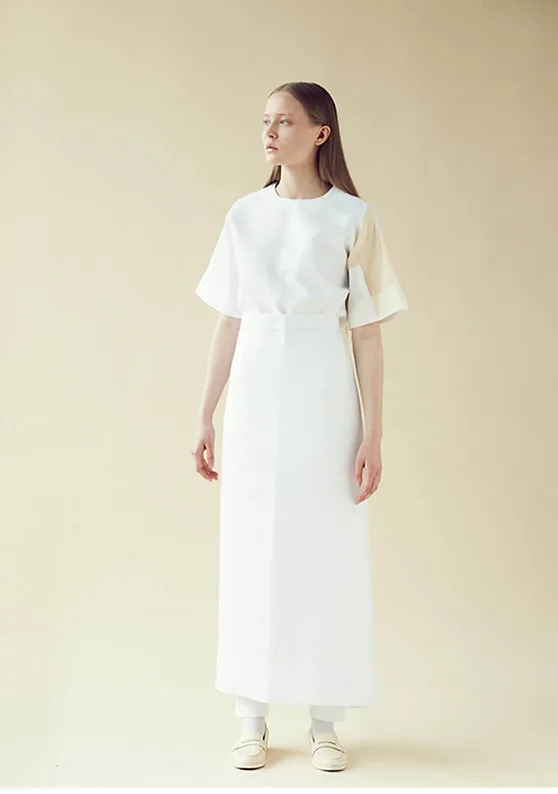
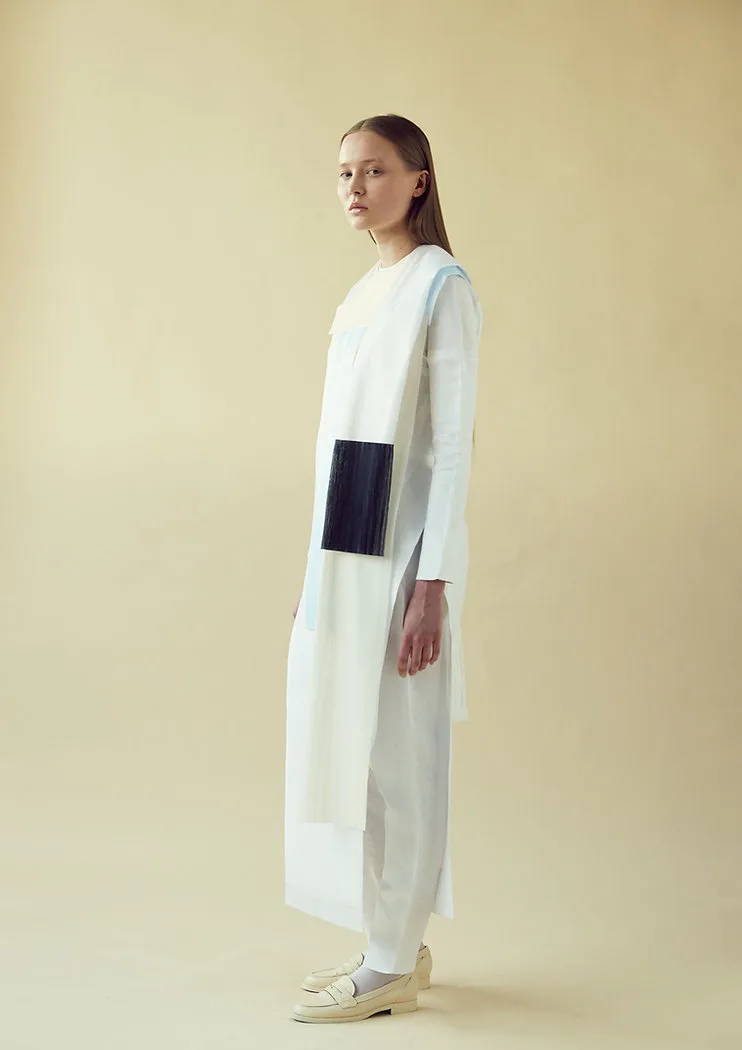
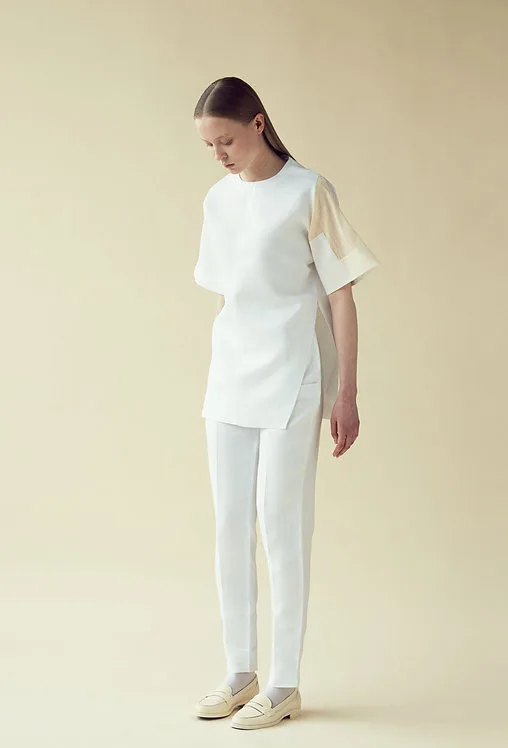
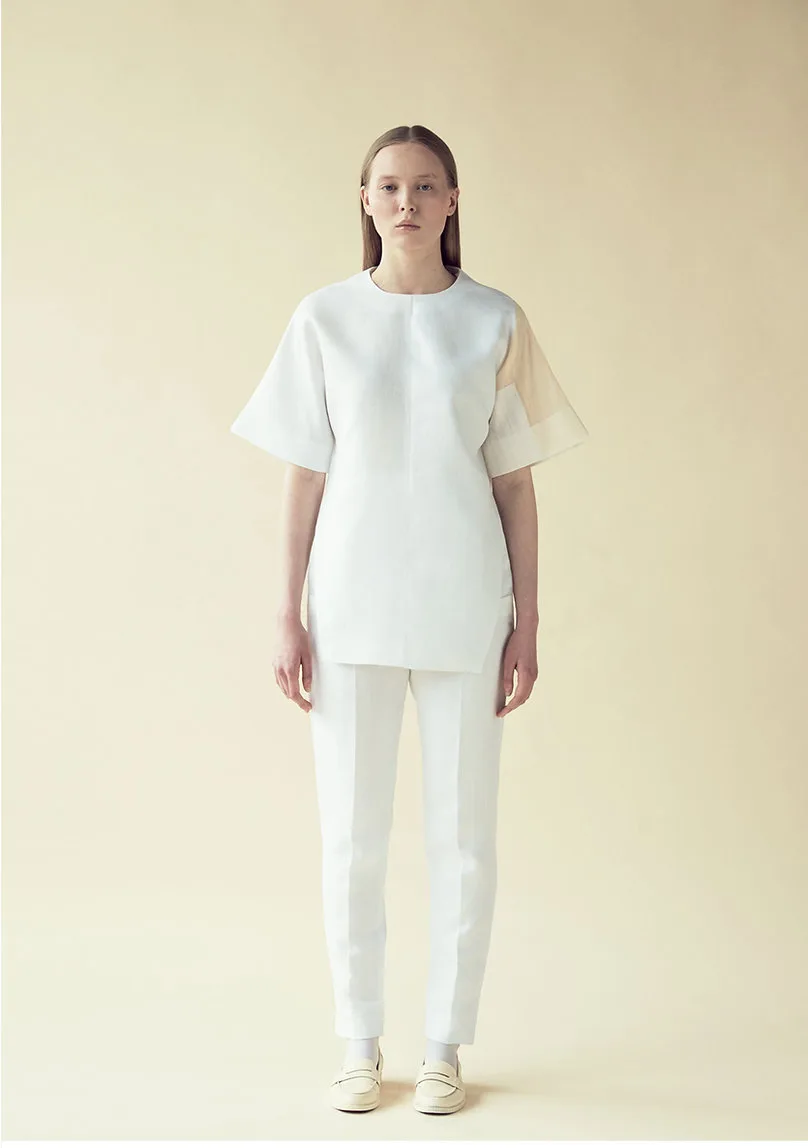
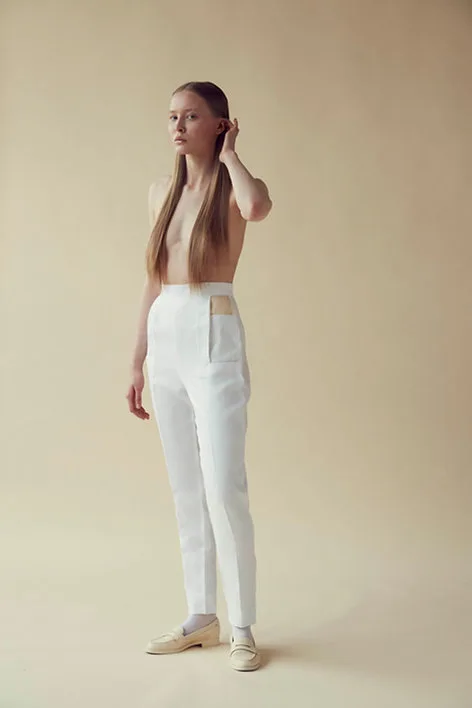
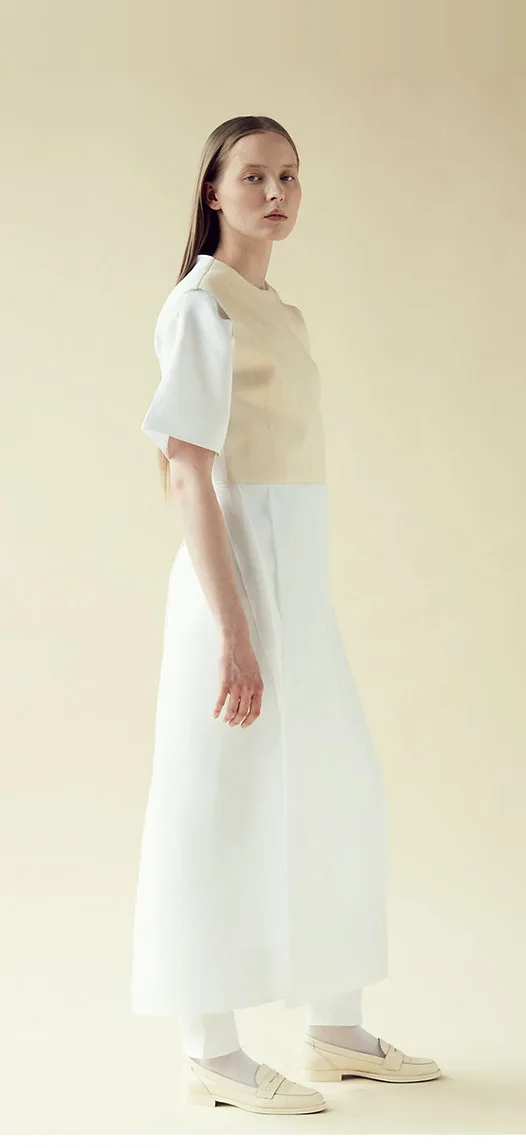
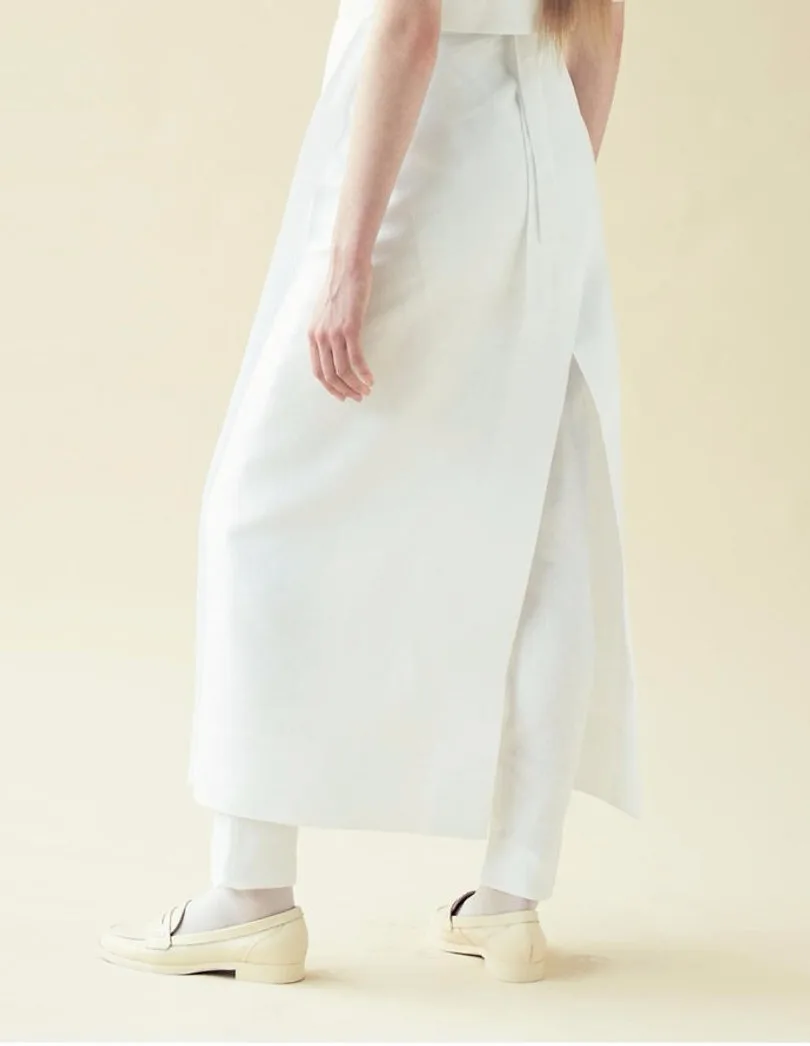
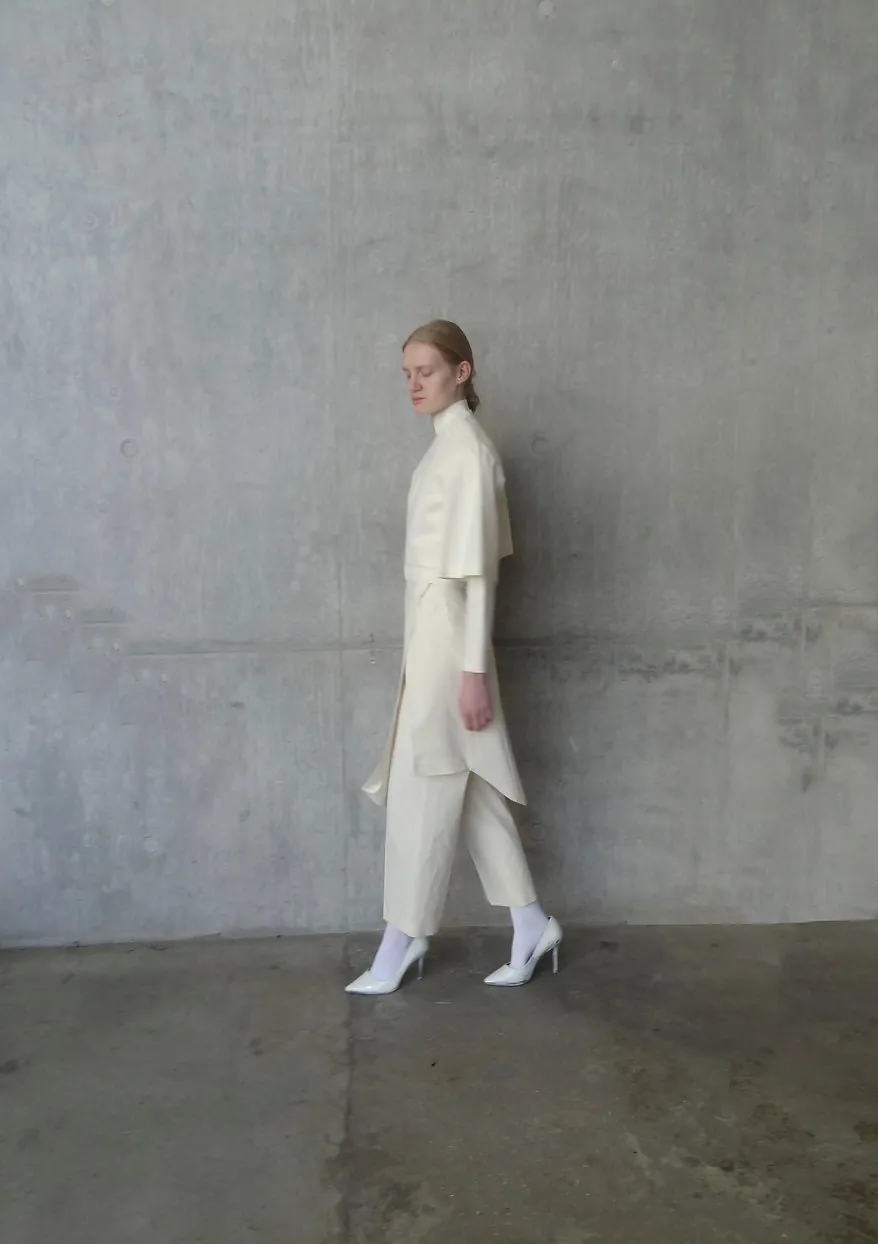
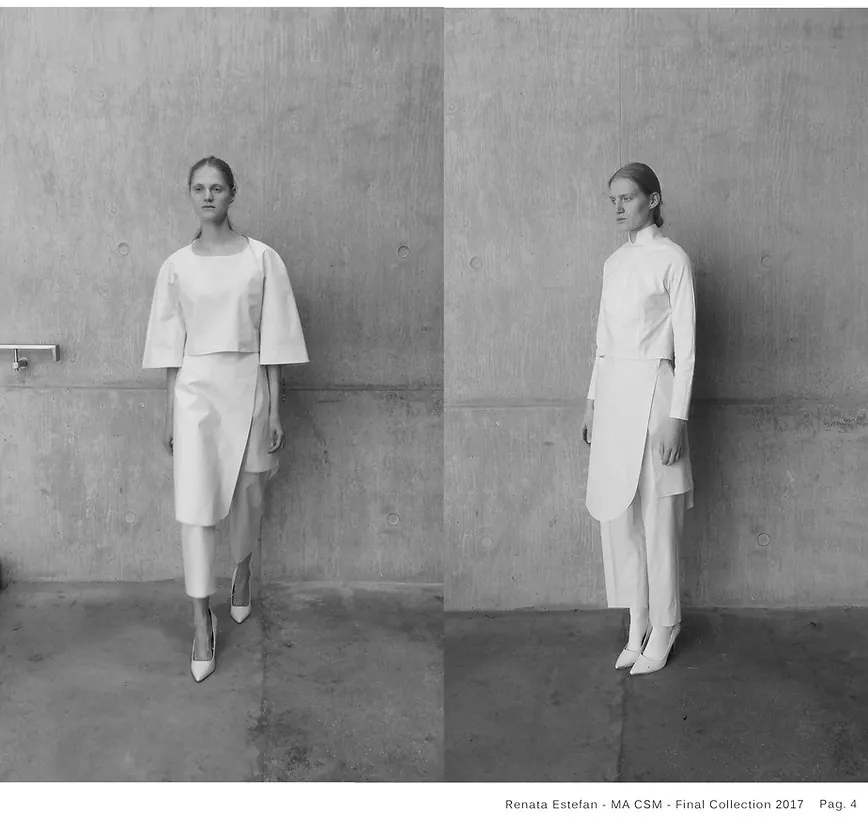
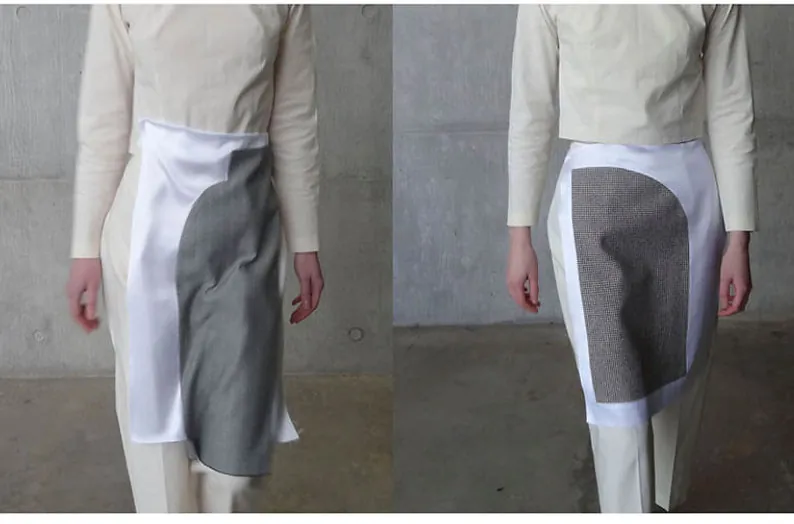
This collection was inspired by everything that fascinates me: art, the royal spirit, a sense of nobility and memories of my childhood on a farm in the countryside. The collection brings together tradition and modernity by proposing an unconventional use of classic English tweeds. It features inlay techniques, pleats in several variations and hand-made tweeds. The world created by all my ideas projects a modern woman with taste and value centered on finesse and timelessness.


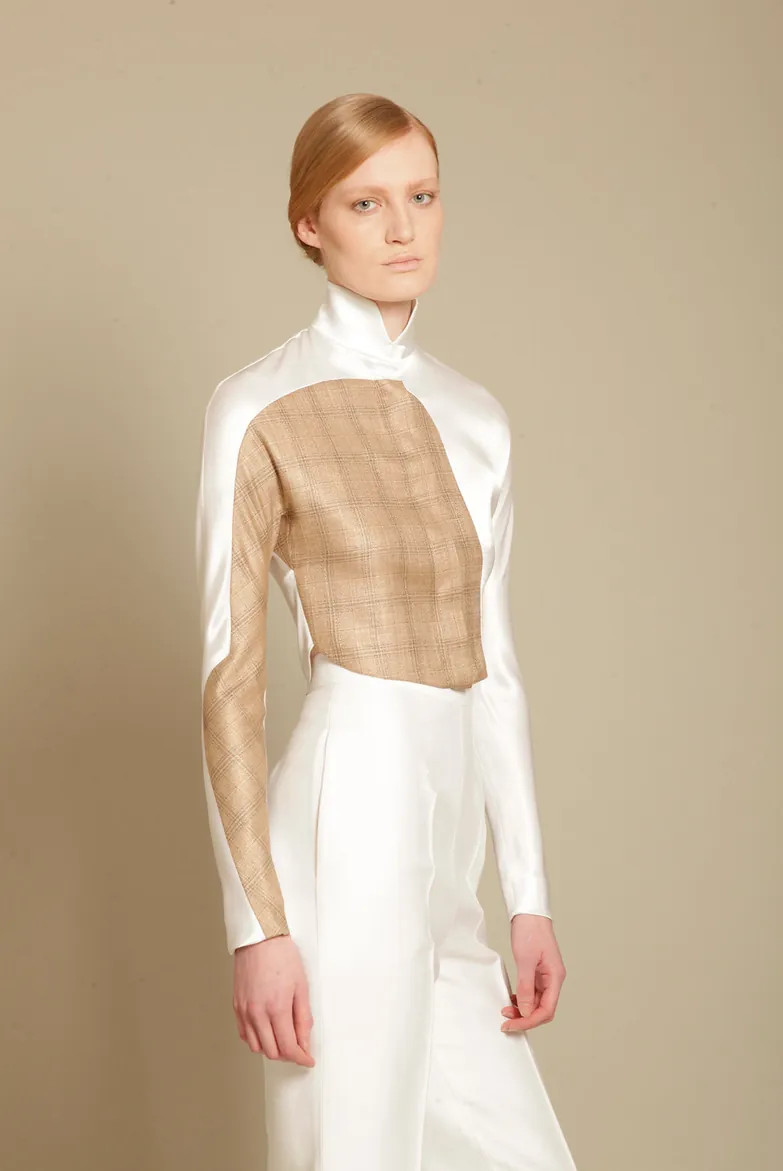
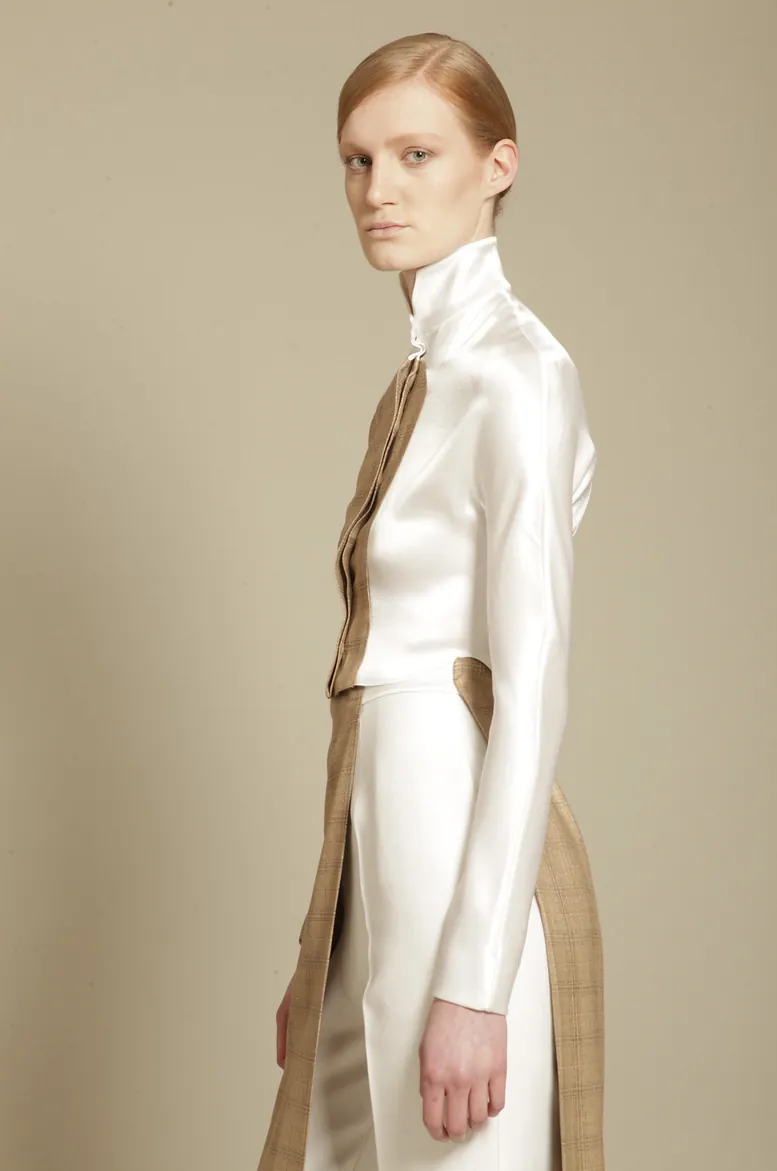
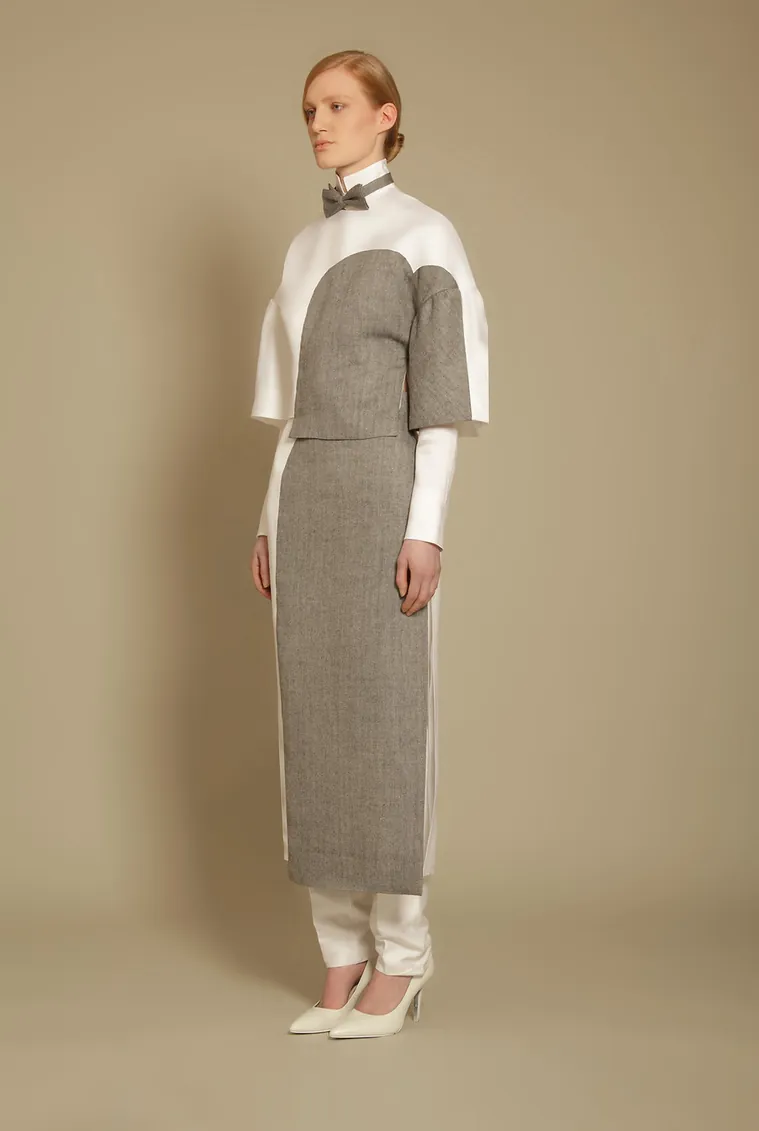
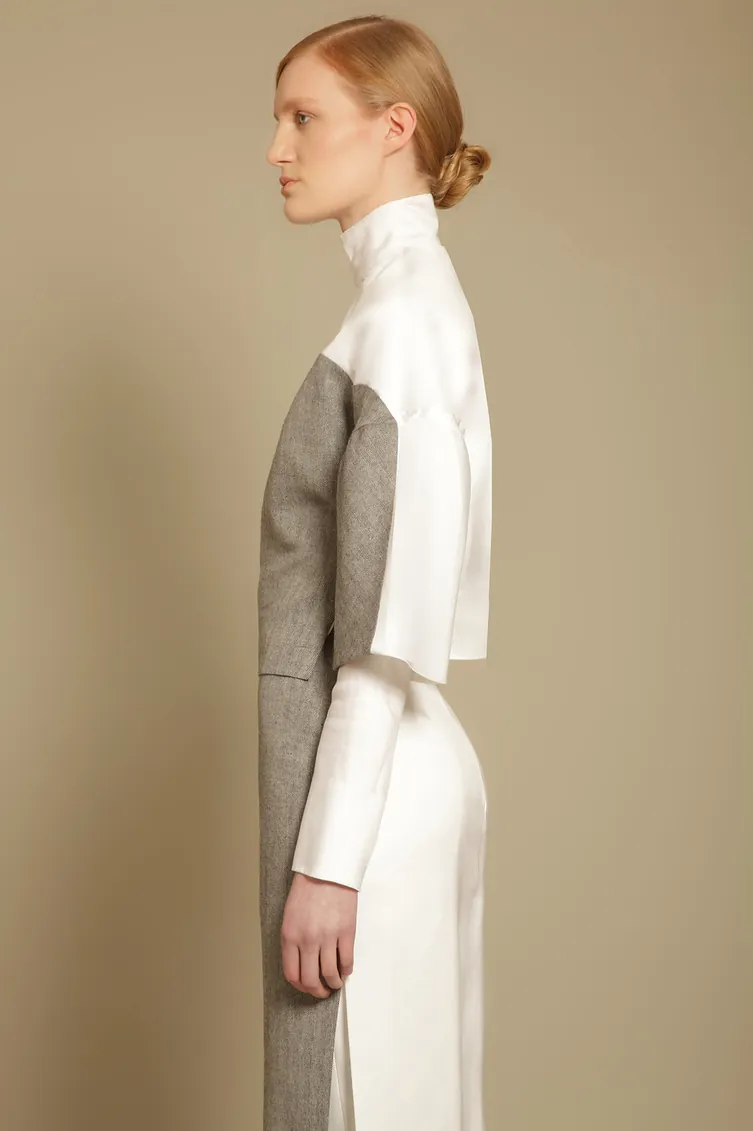
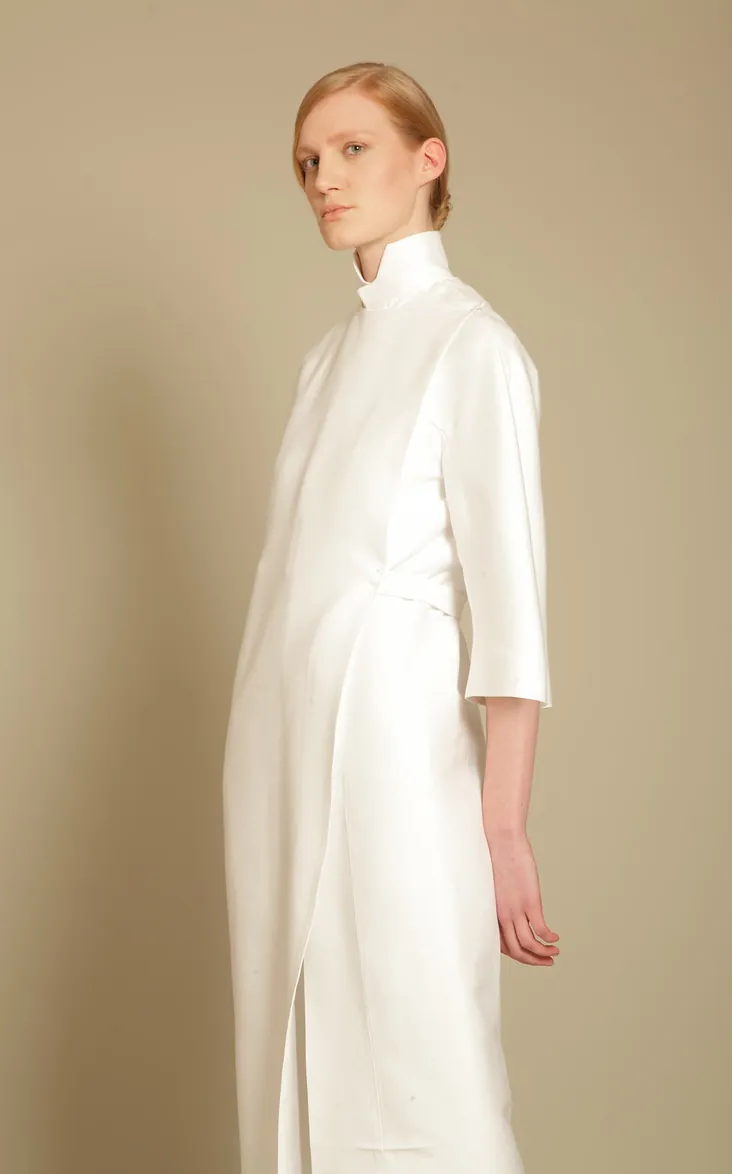
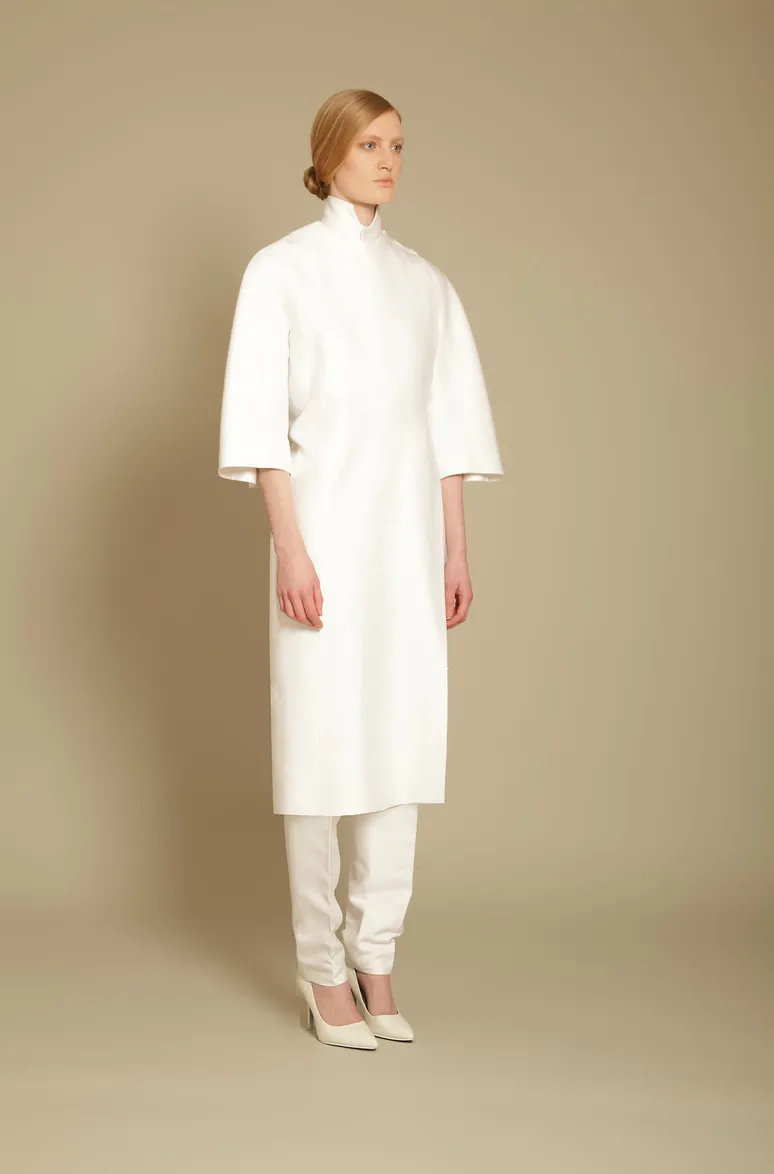
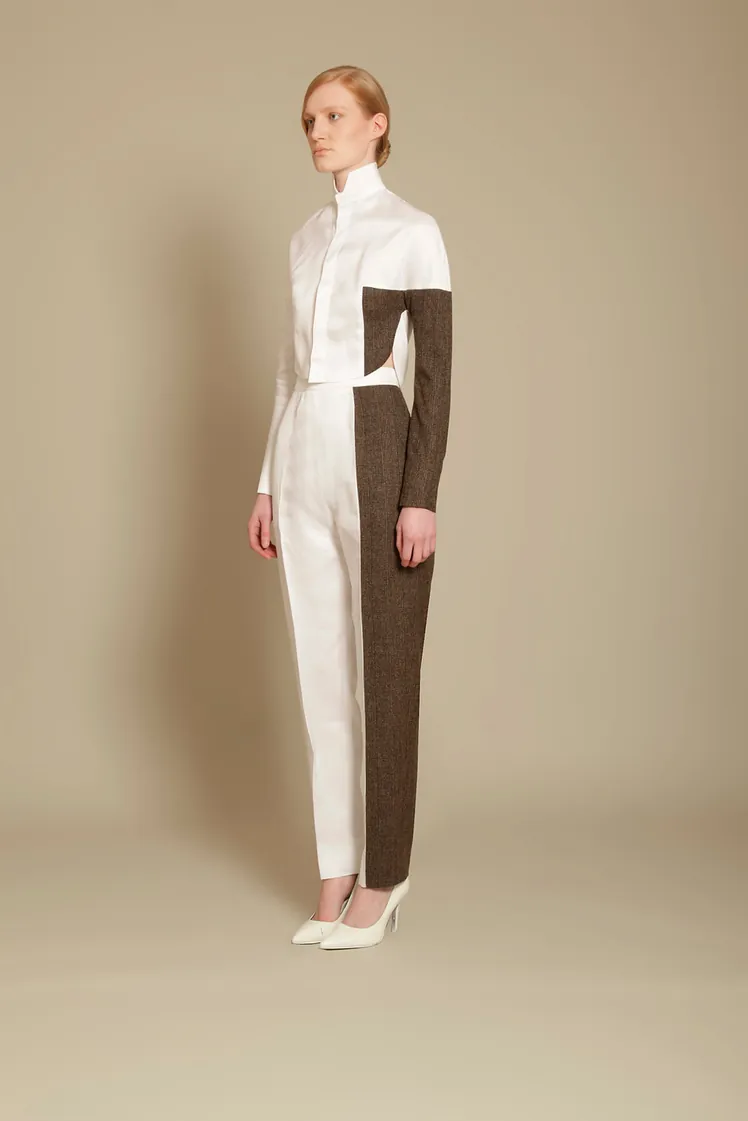
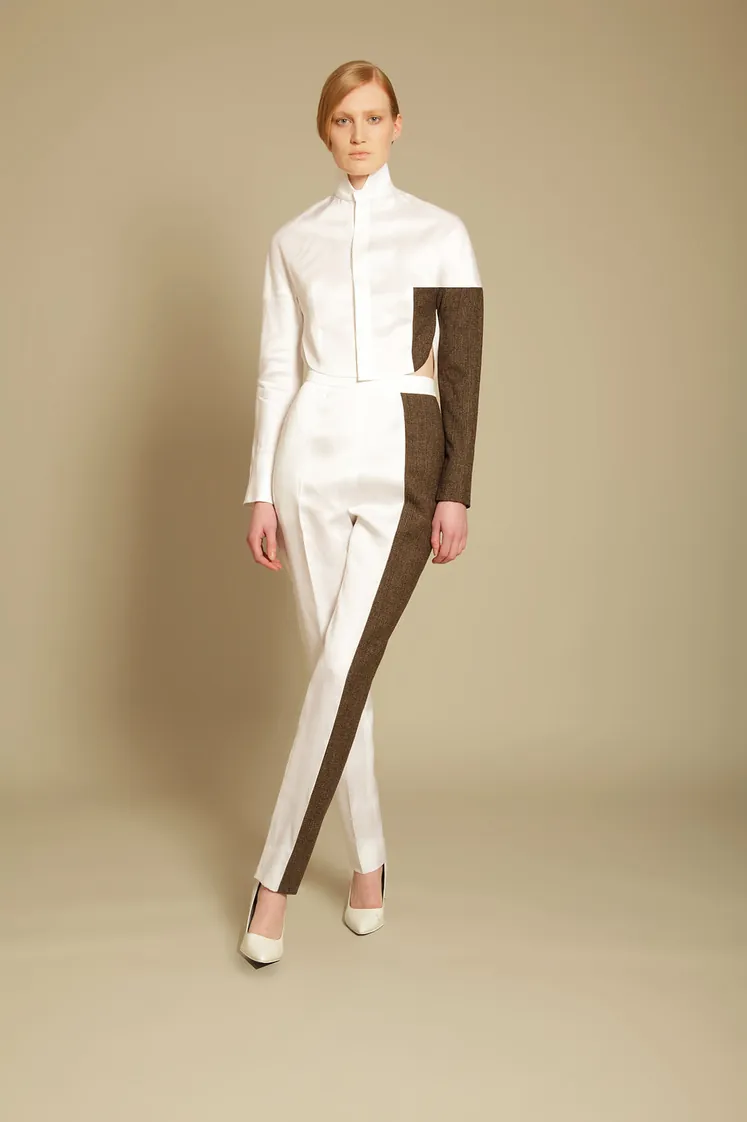
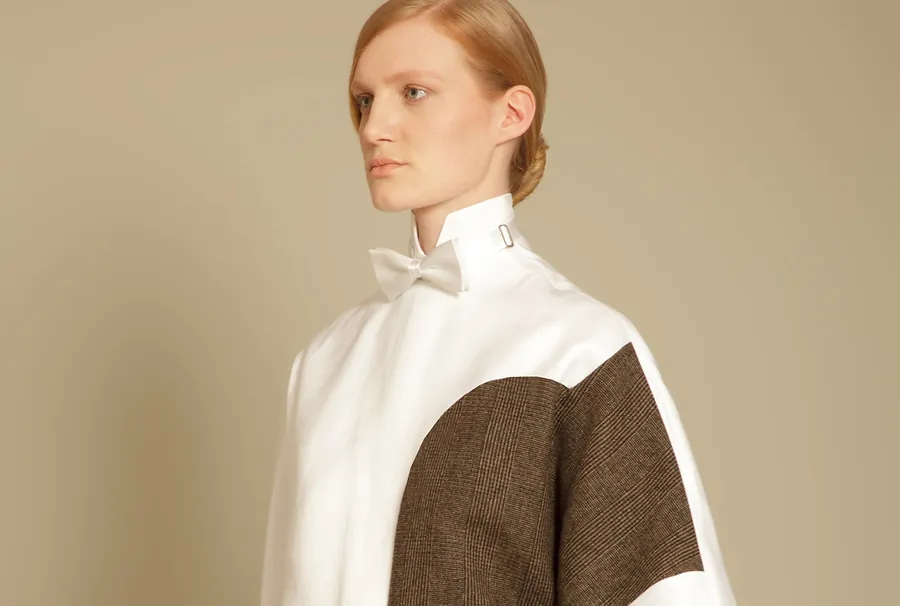
Graduate Diploma in Fashion, Central Saint Martins
“Having noted the comment of the Examination Board concerning the work you have submitted for your degree, I wanted to drop you a personal note to congratulate you on achieving a Distinction for your final year of study.”
Anne Smith - Head of School of Fashion and Textile Design at Central Saint Martins.
“Simply beautiful” - Louise Wilson OBE
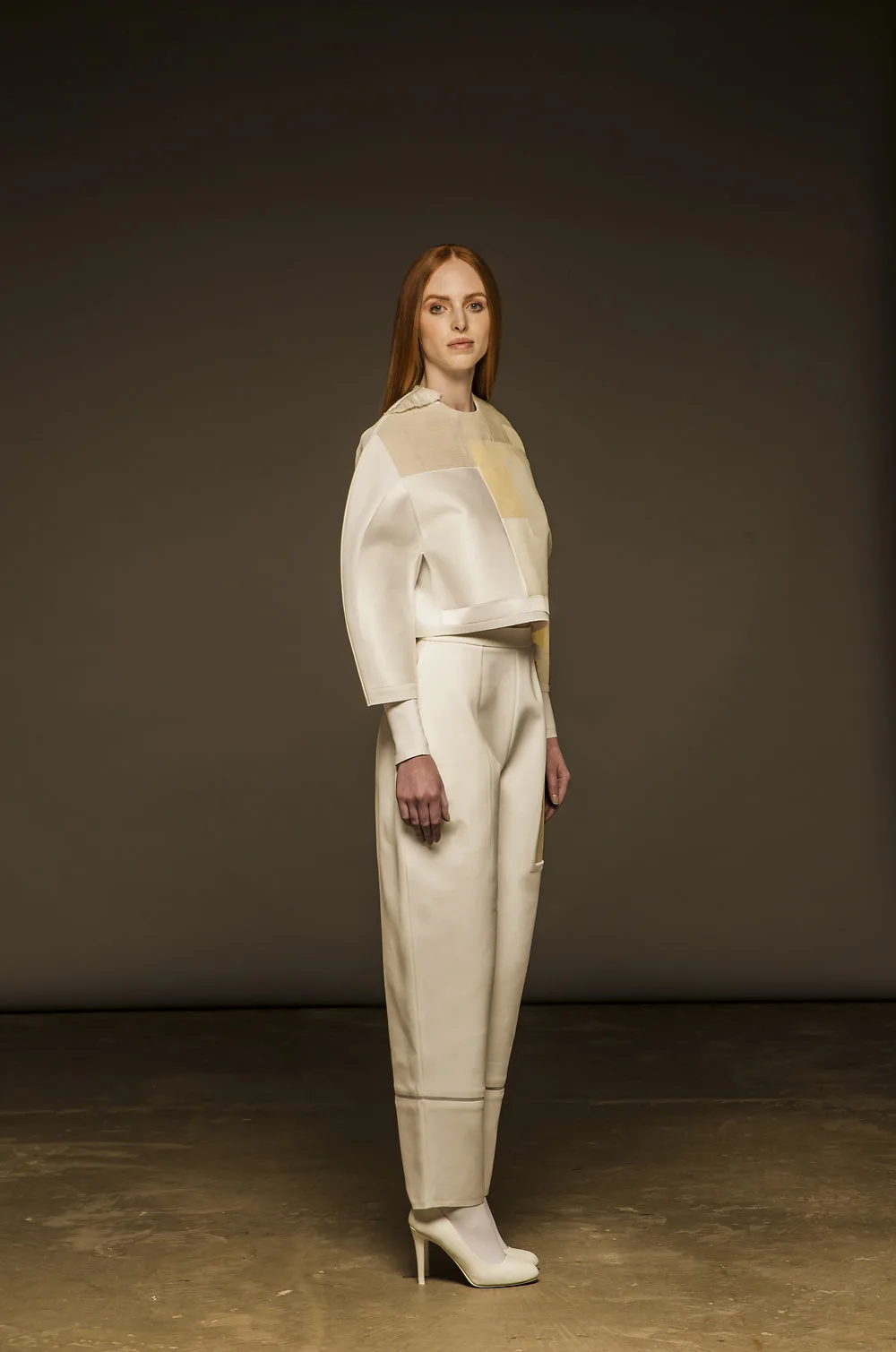
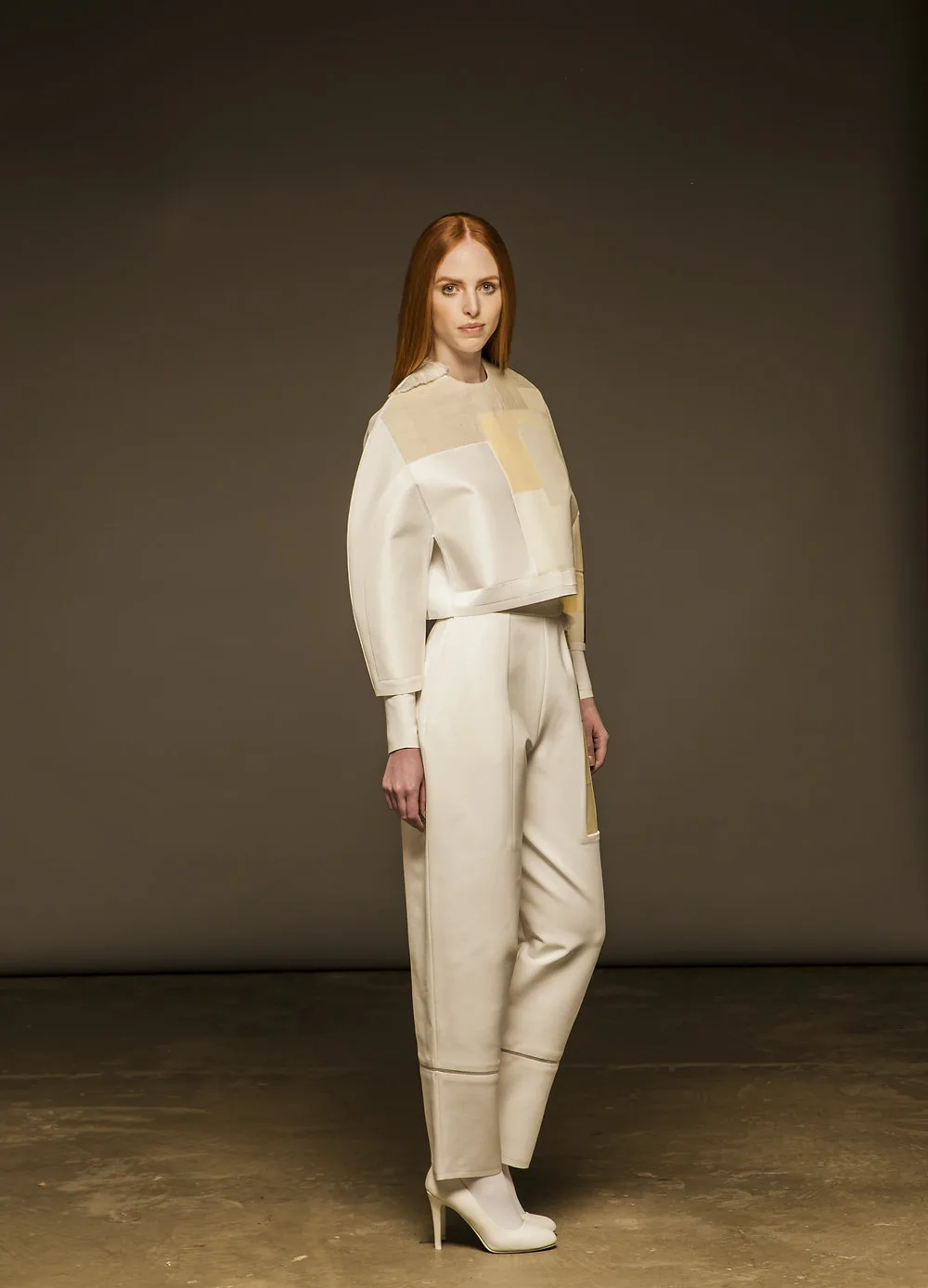
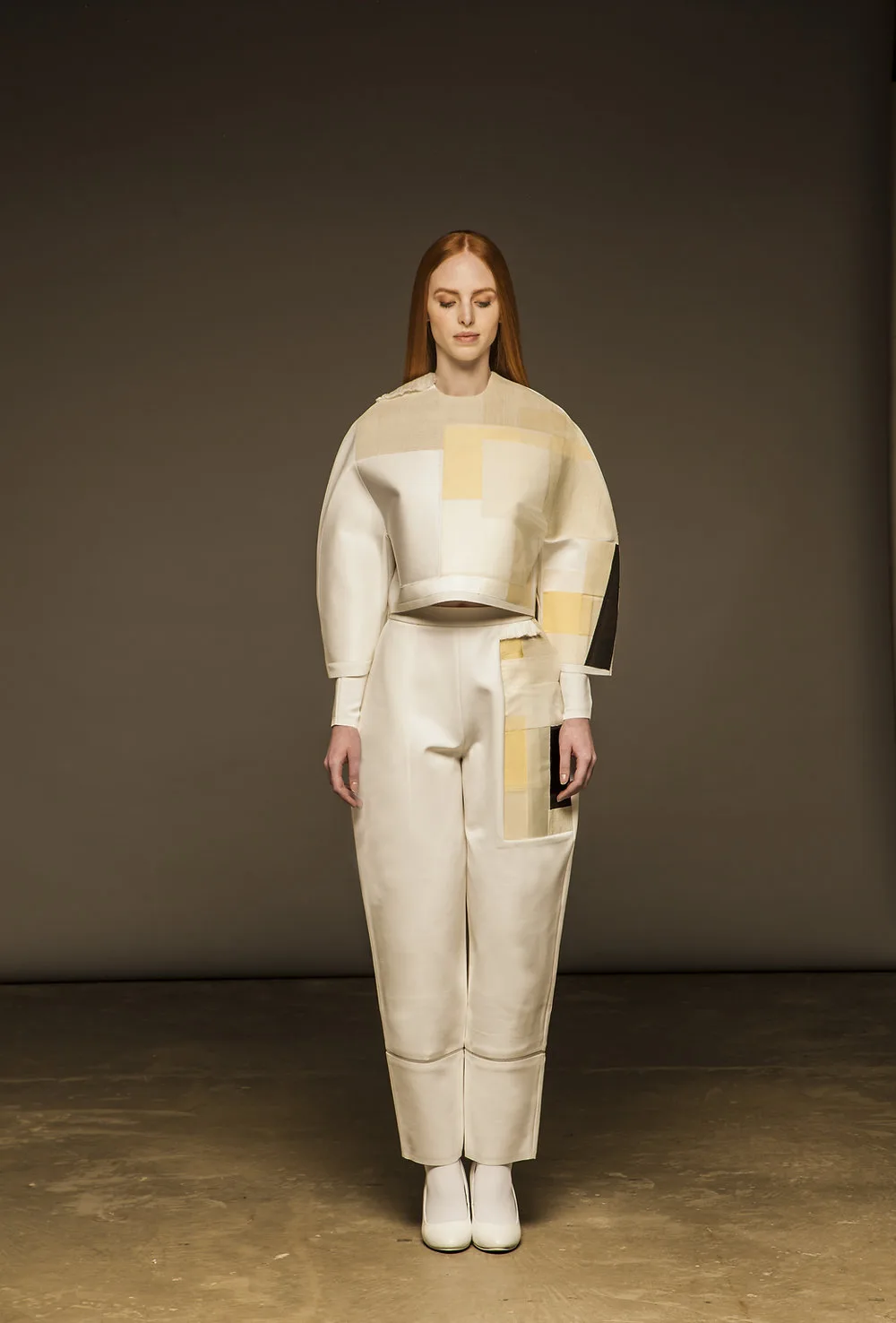
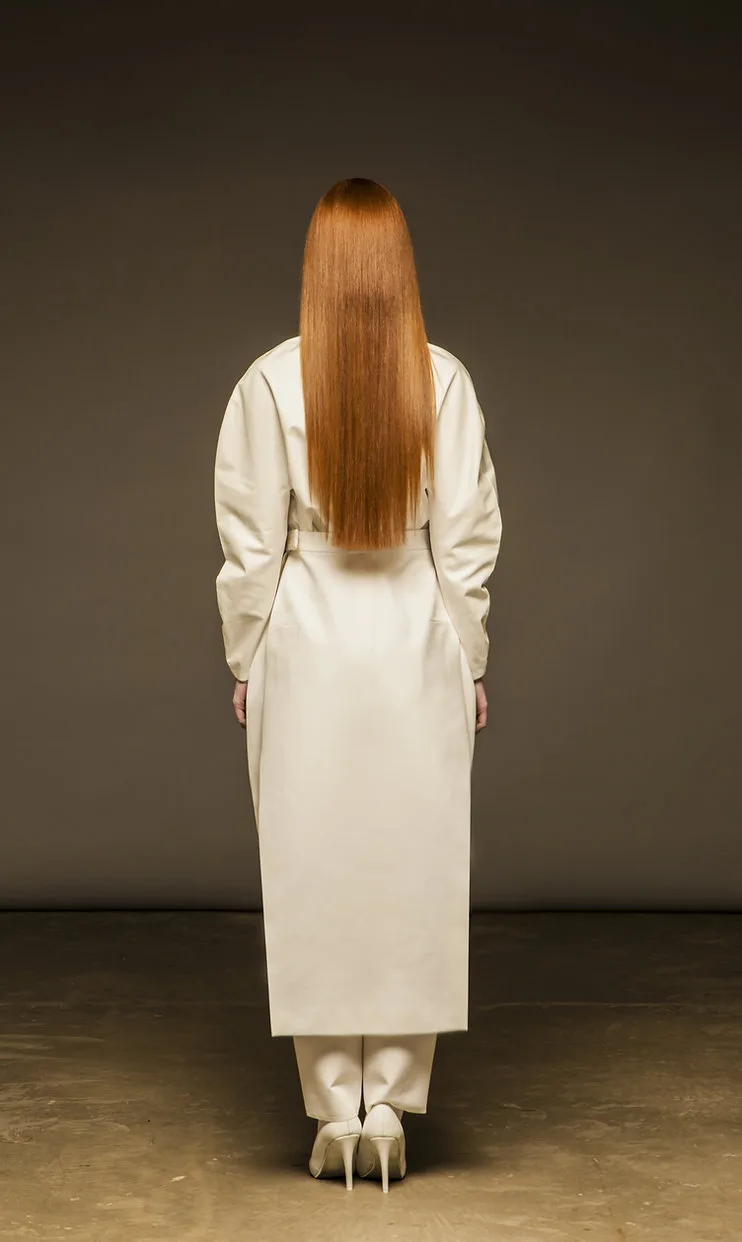
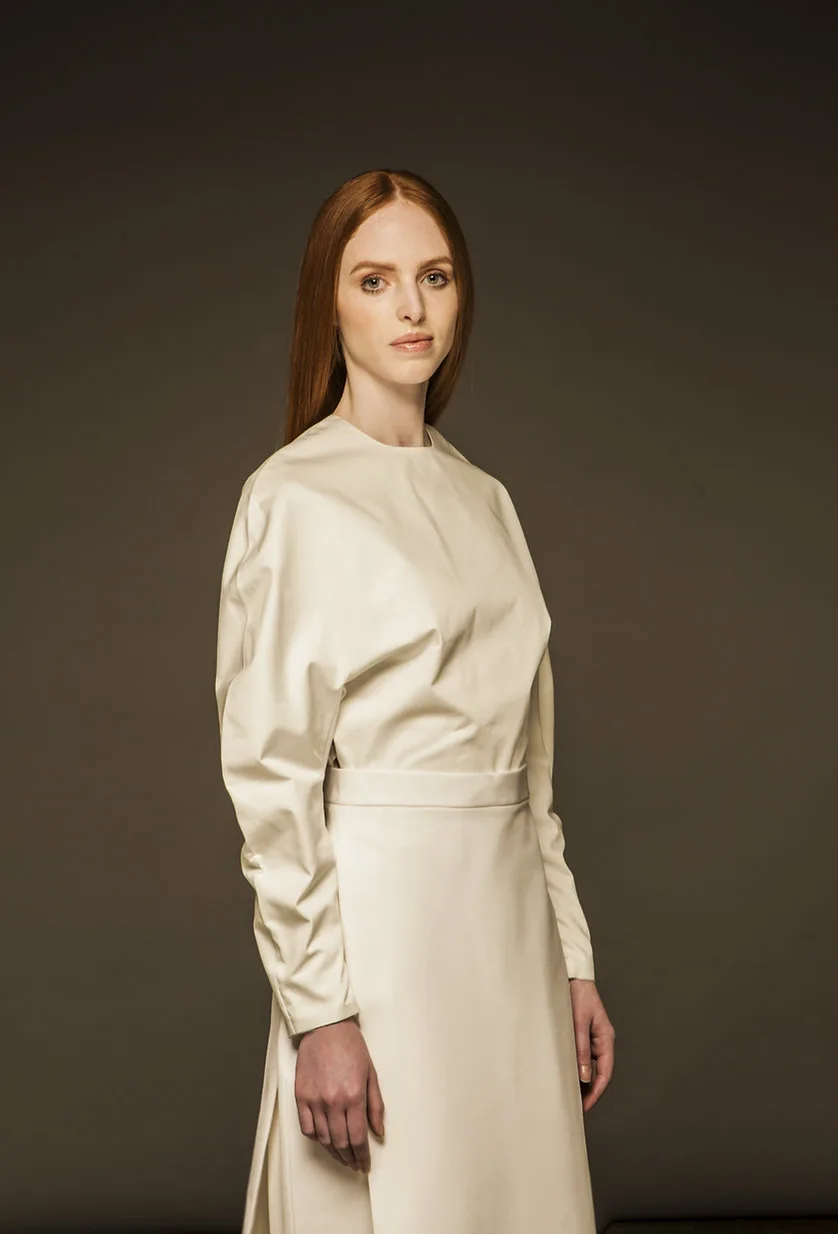
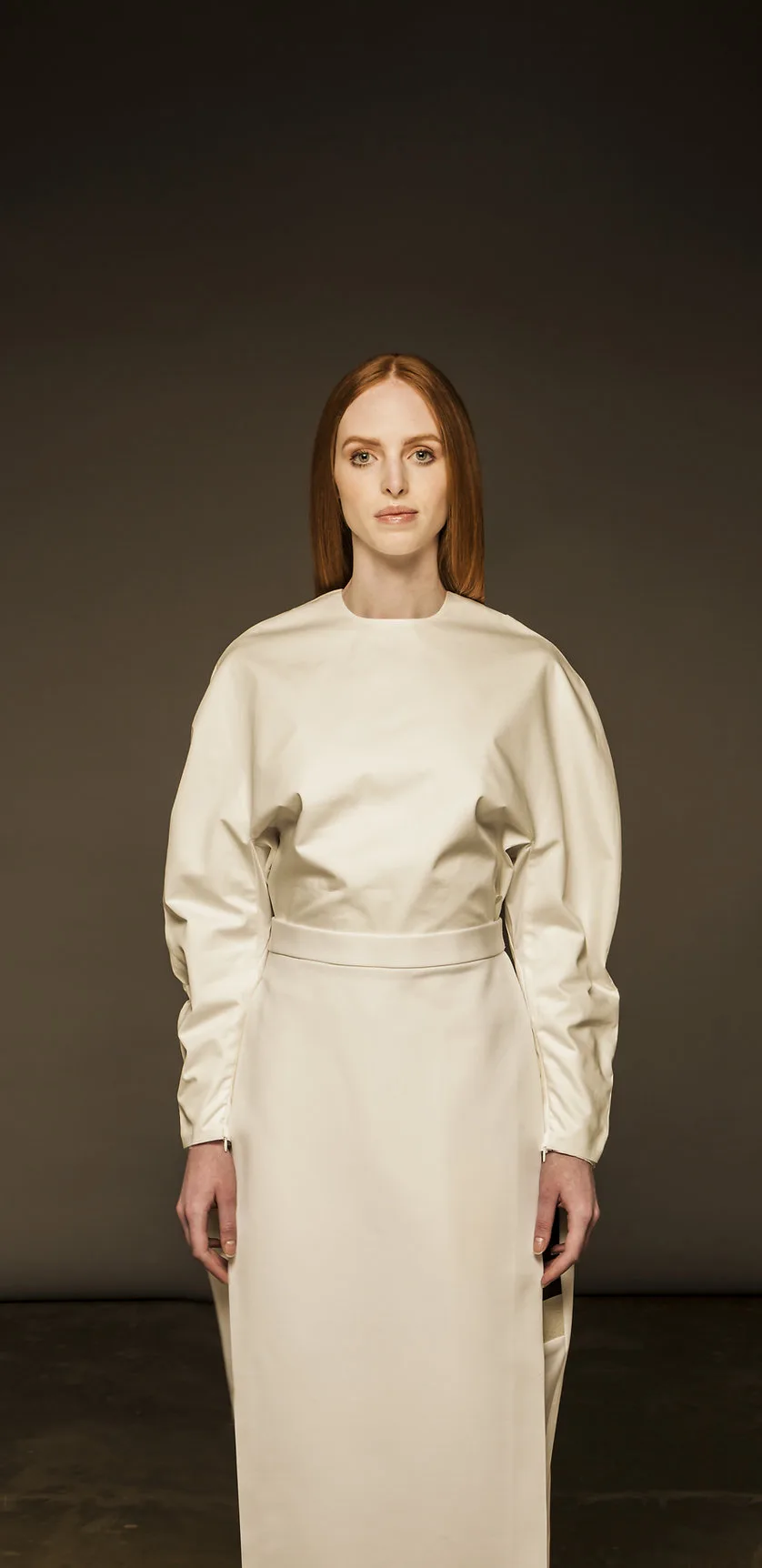
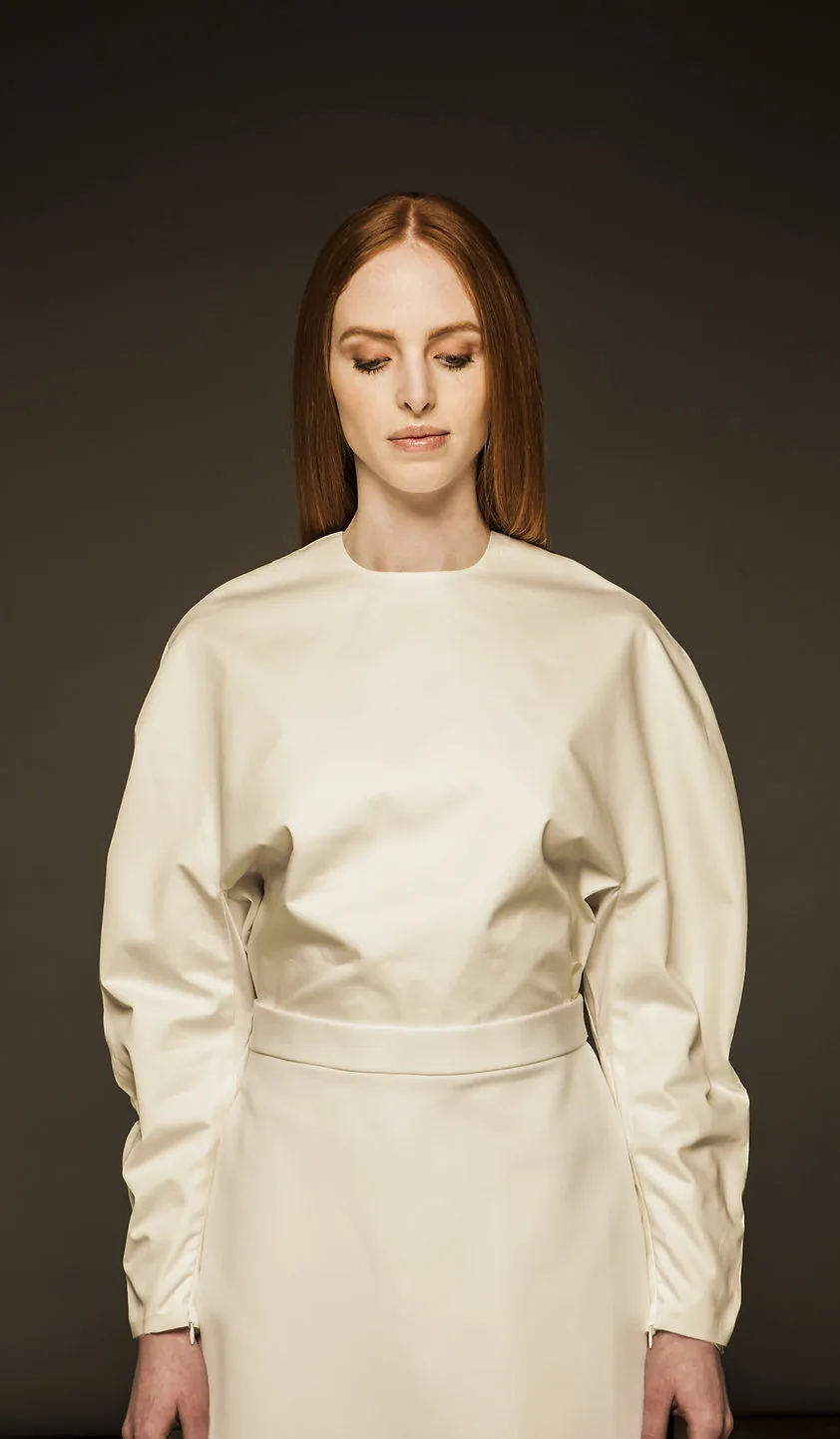
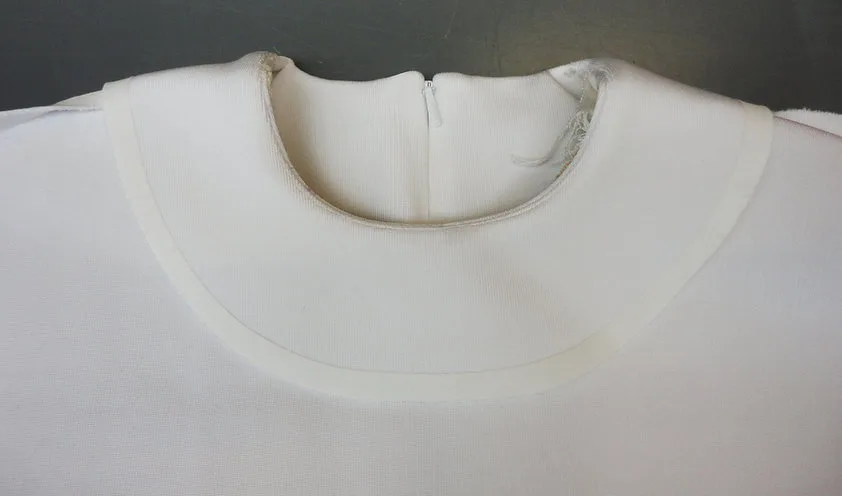
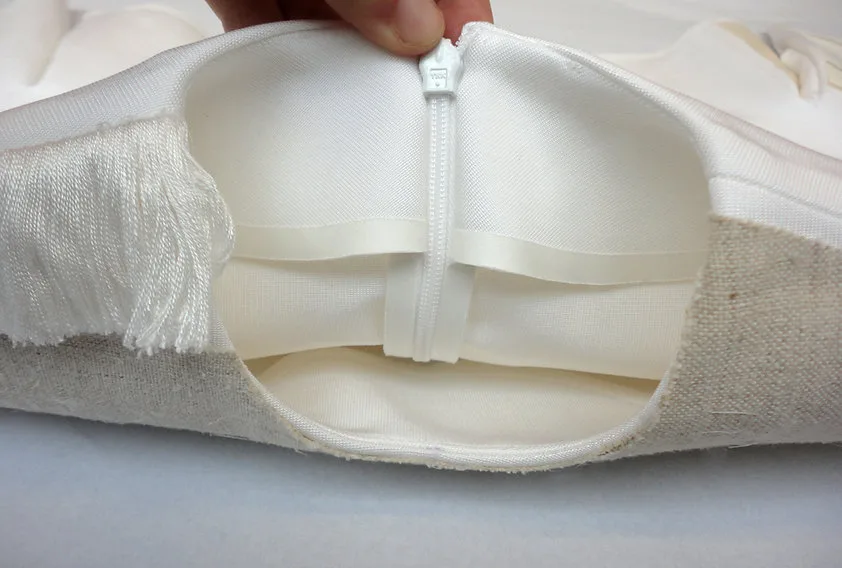
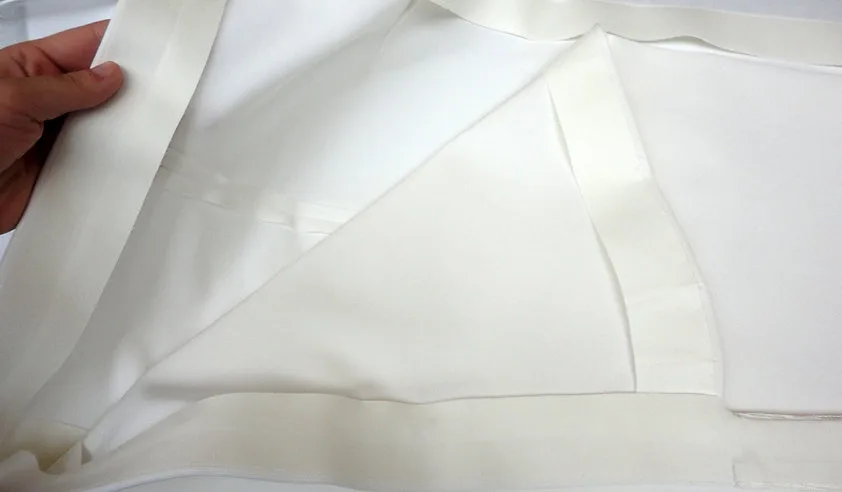
Inside
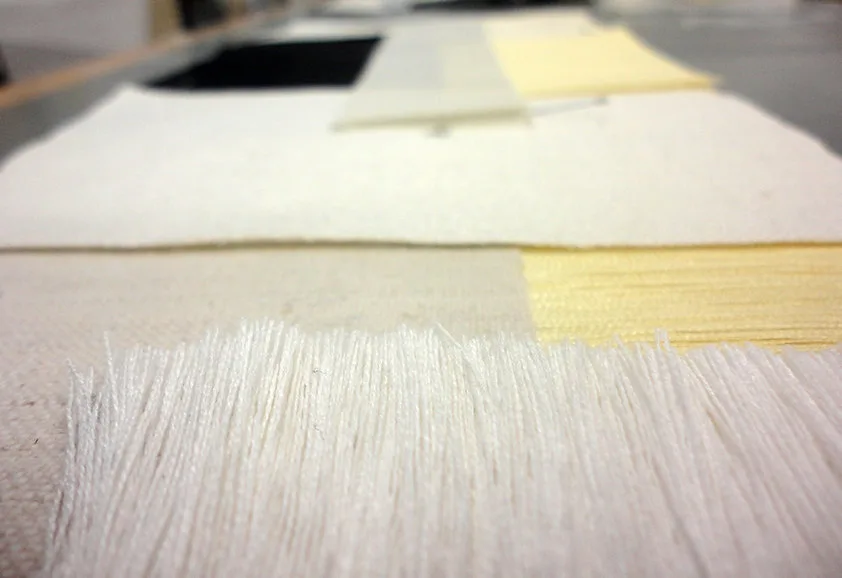
Central Saint Martins Exhibition 2013
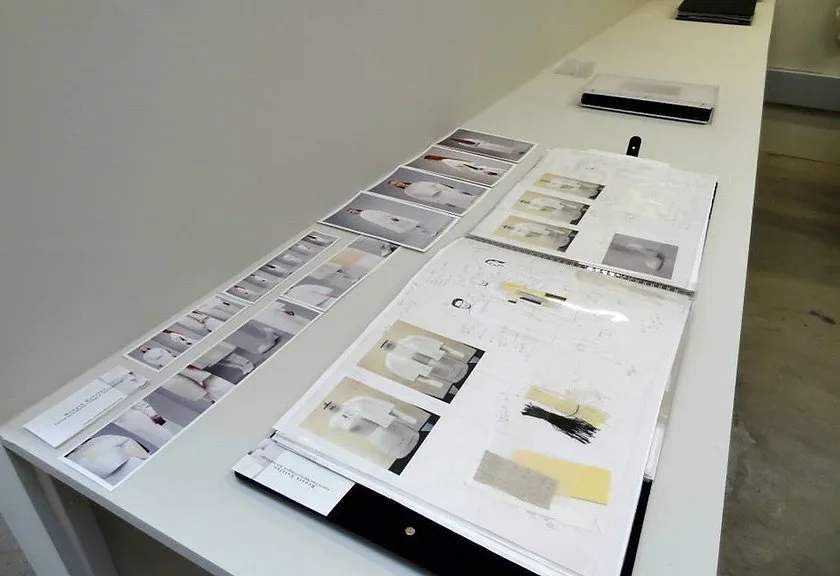
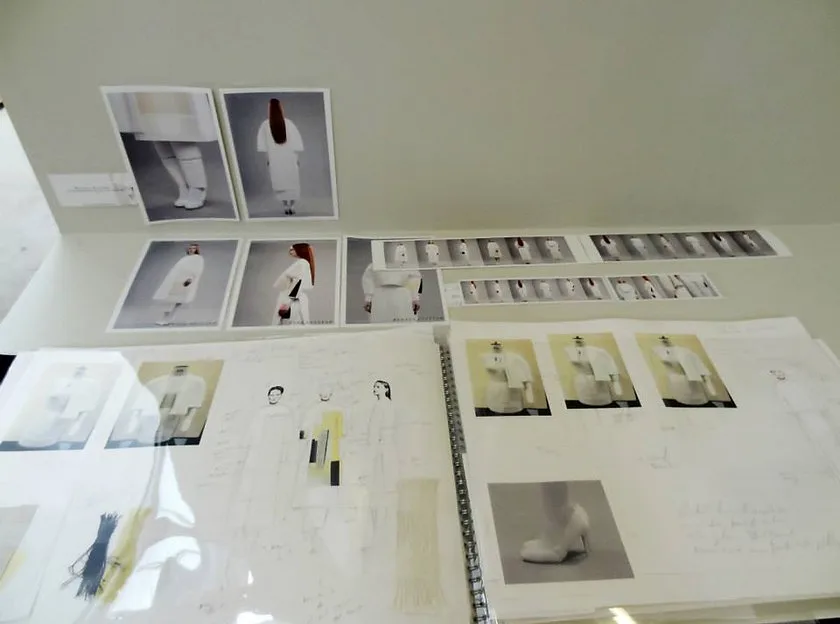
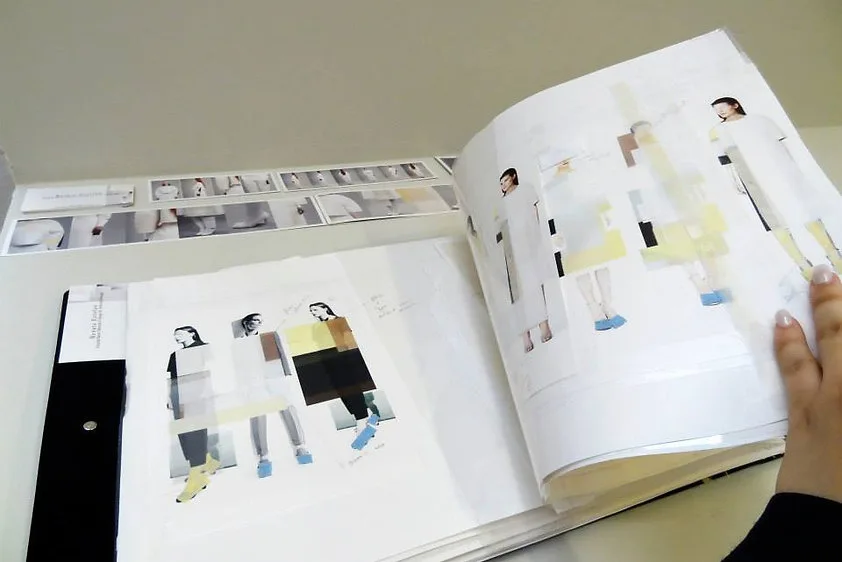
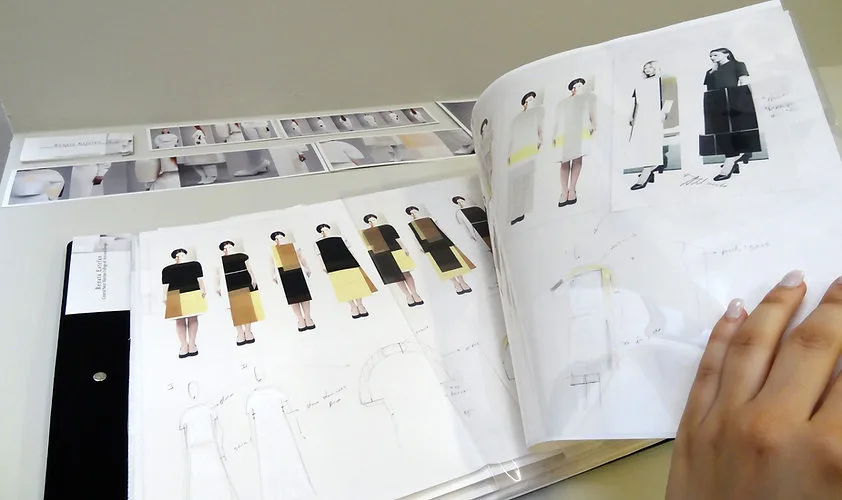
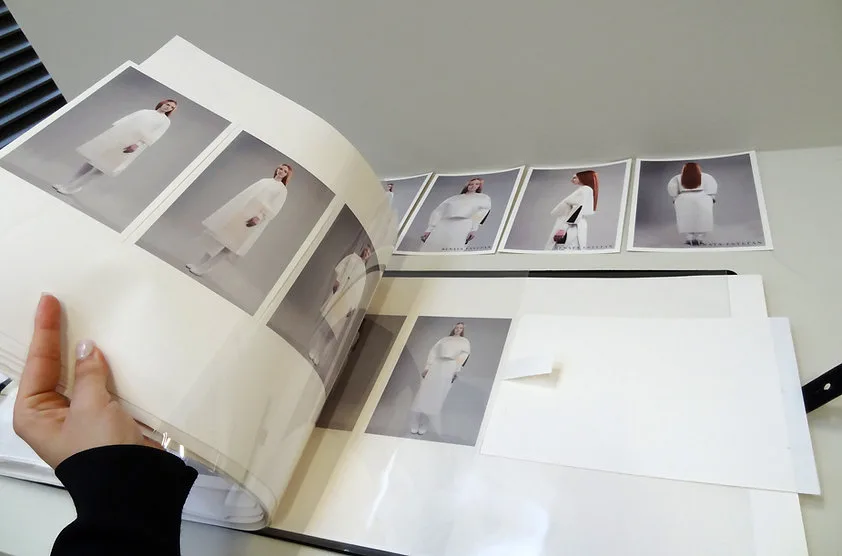
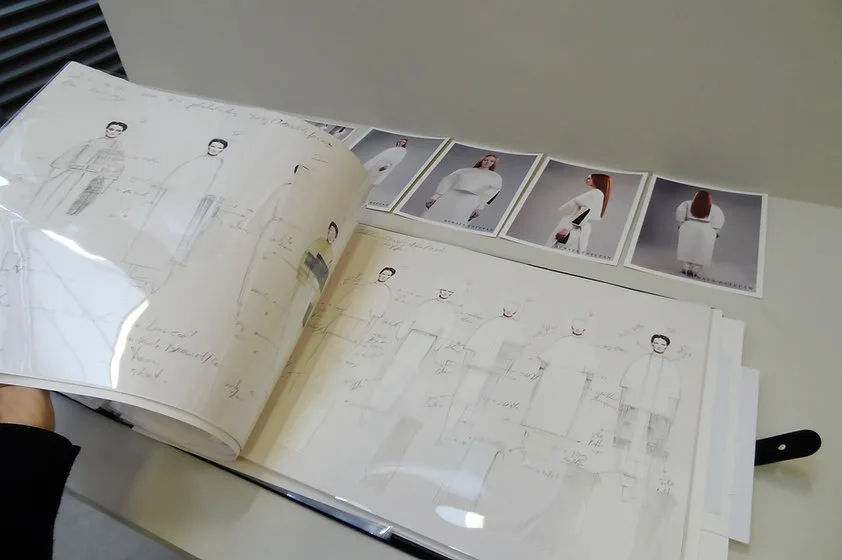
Fashion Folio Course 2012 - Click on the image to see more of the work.
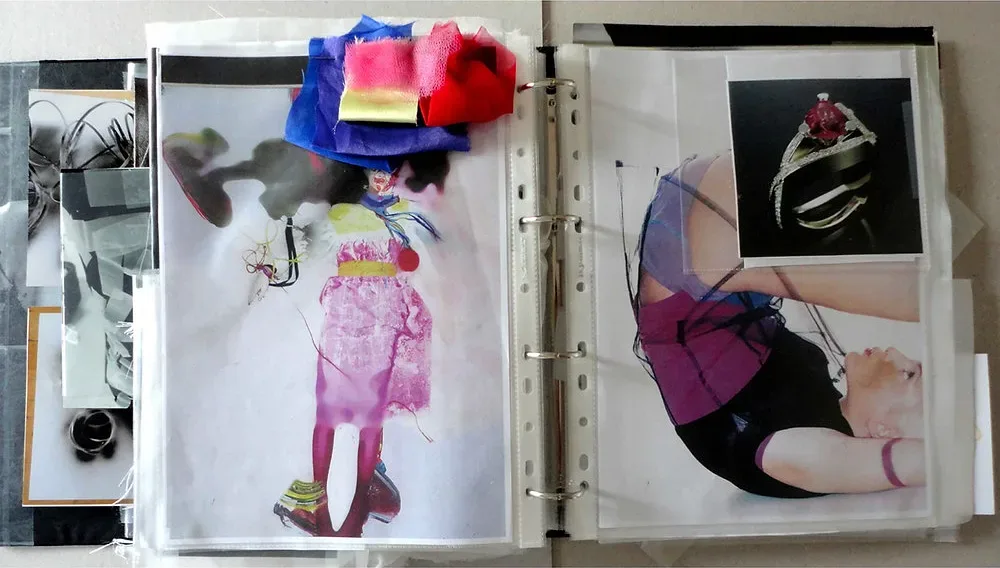
RENATA ESTEFAN 2015


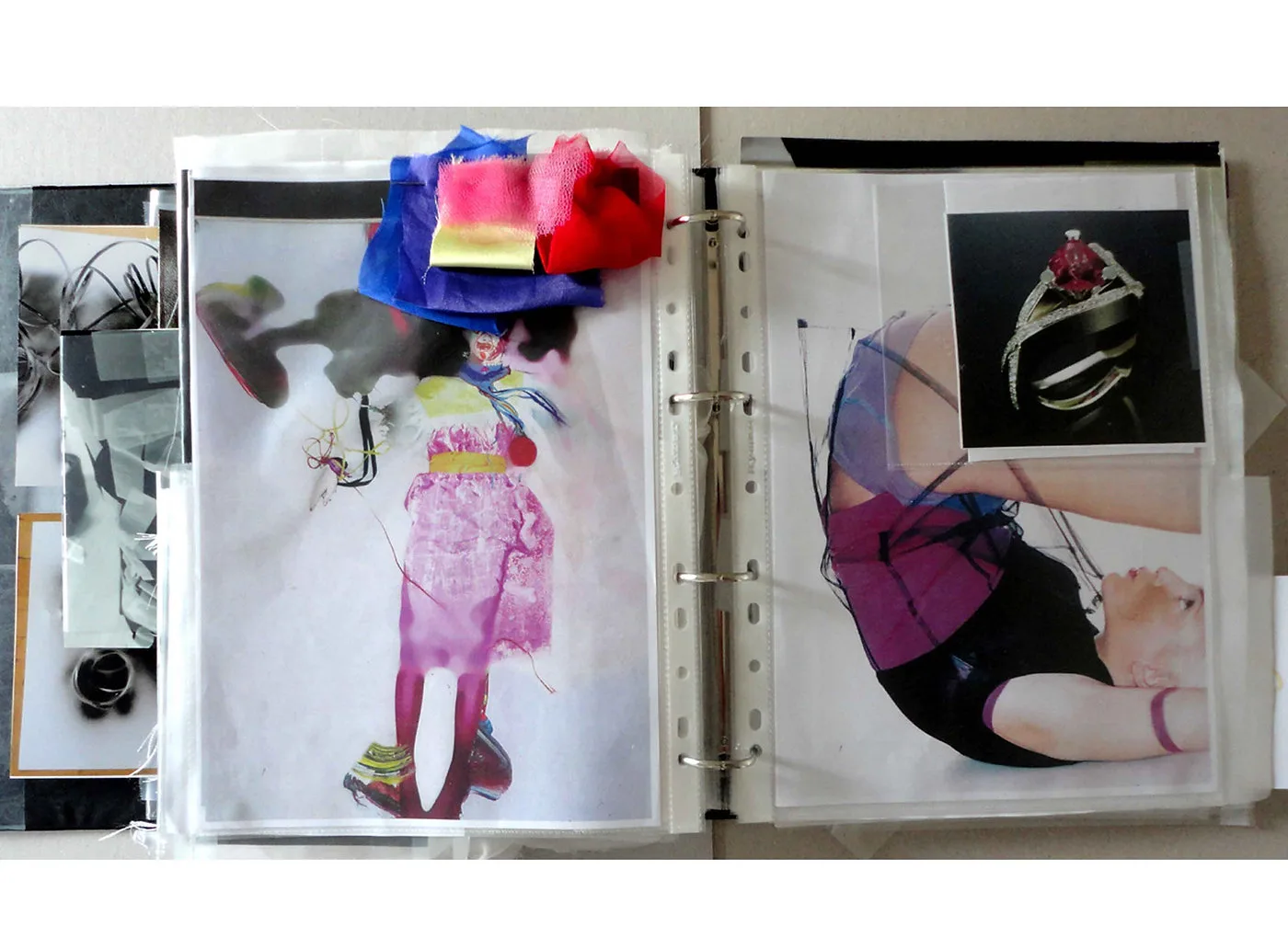
Fashion Folio 2012Files of Visual Research and General Work.
Renata Estefan moved to London in 2012 after being offered a place at Fashion Folio - CSM by the course-leader professor Patrick Lee Yow. During the program she was also taught by Elisa Palomino, head of Prints at Central Saint Martins and who has worked for eight years as head of studio at John Galliano and other great fashion houses such as Dior and Diane Von Furstenberg.
" Fashion Folio was a great and fundamental experience for me before going into a full time course at CSM. Fashion education in my country is not focused on the creative process but at the basic technical side of it. I couldn't even image what a sketchbook was or how it could be helpful as a designer to work on one. Now i am able to explore ideas deeply and come up with original creations. You can not come up with a whole referencial collection if you don't push your brain to the limit. And you definetly can not do that without an idea development process."
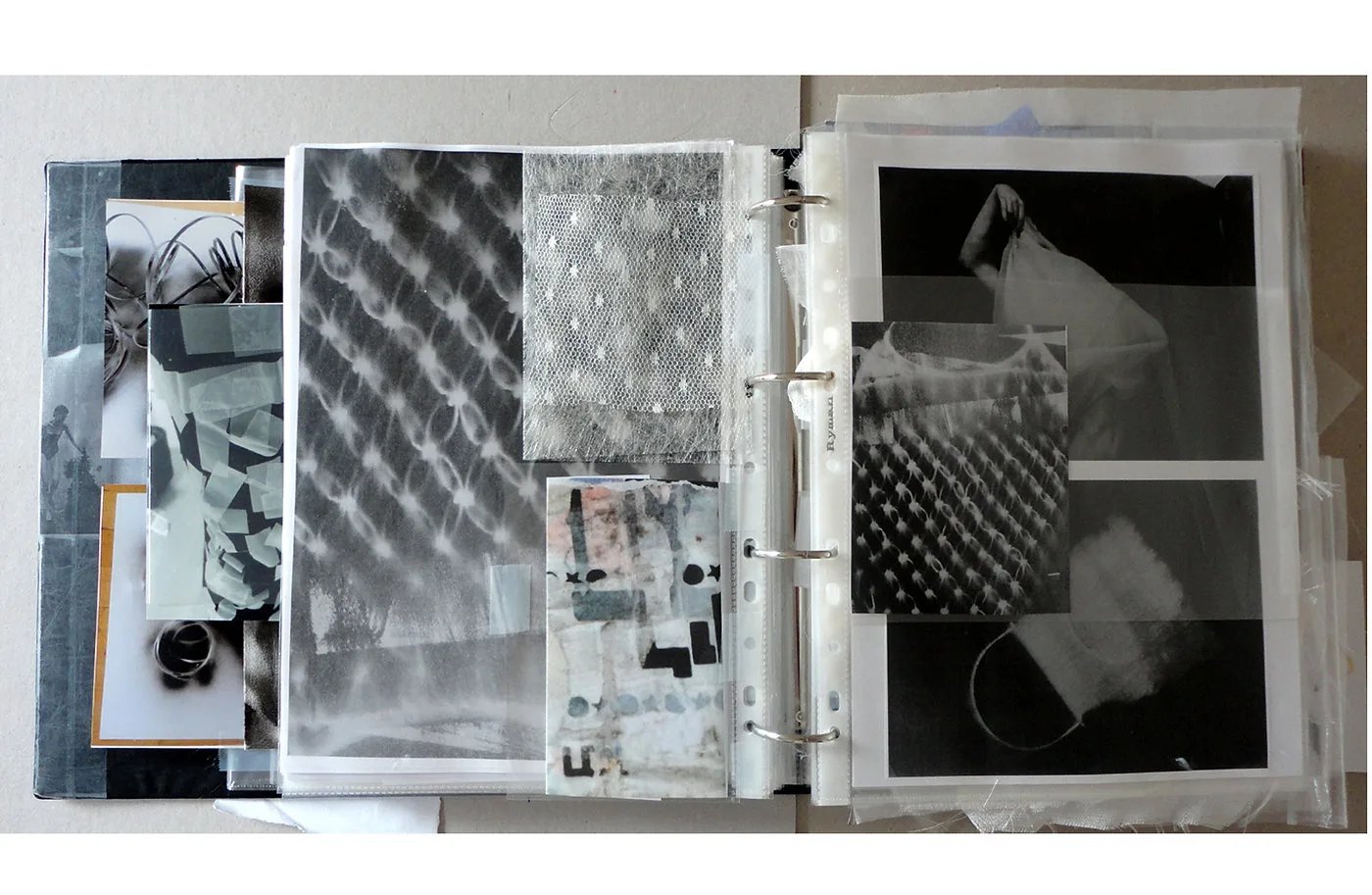
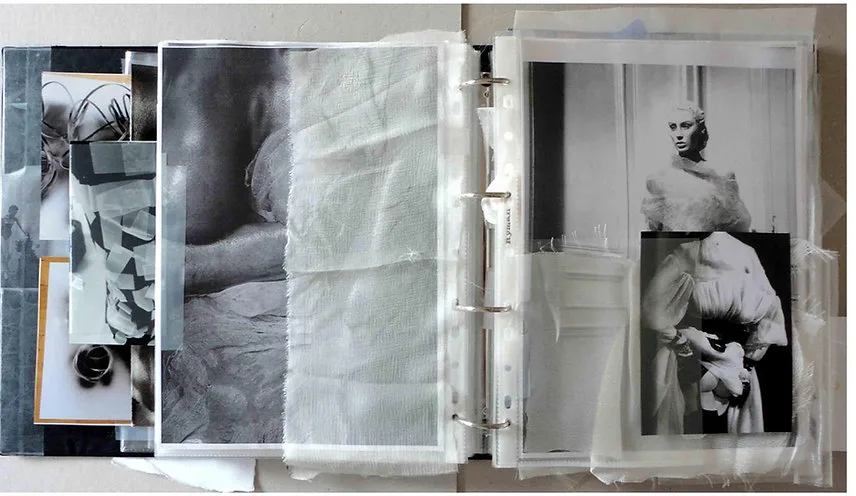
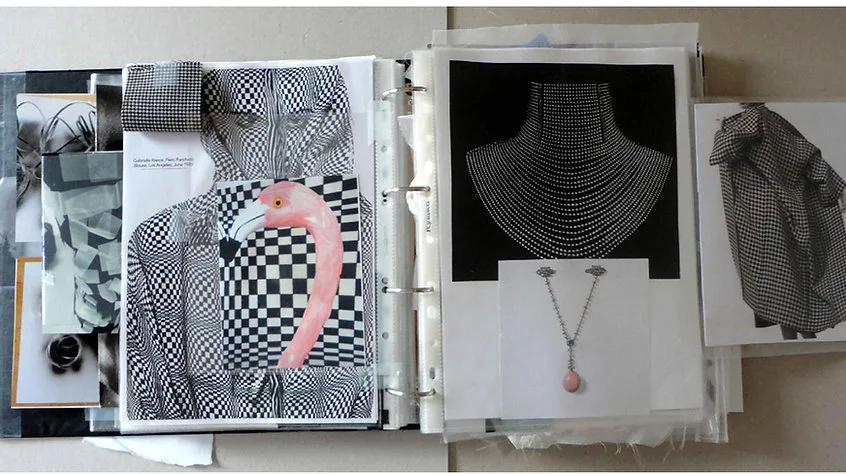
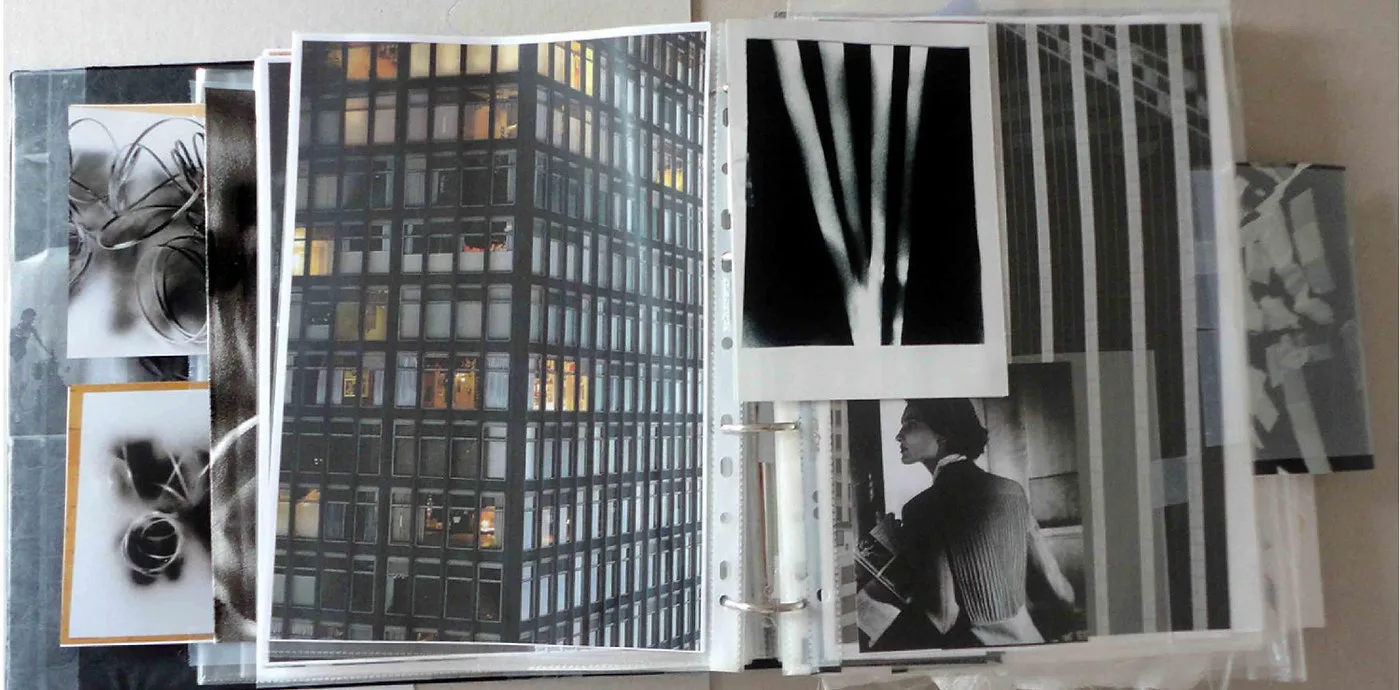
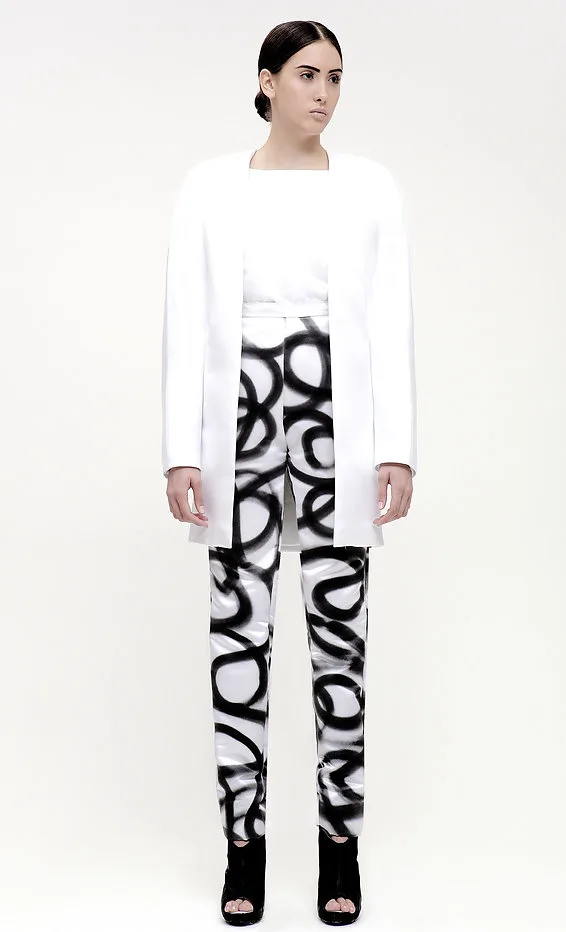
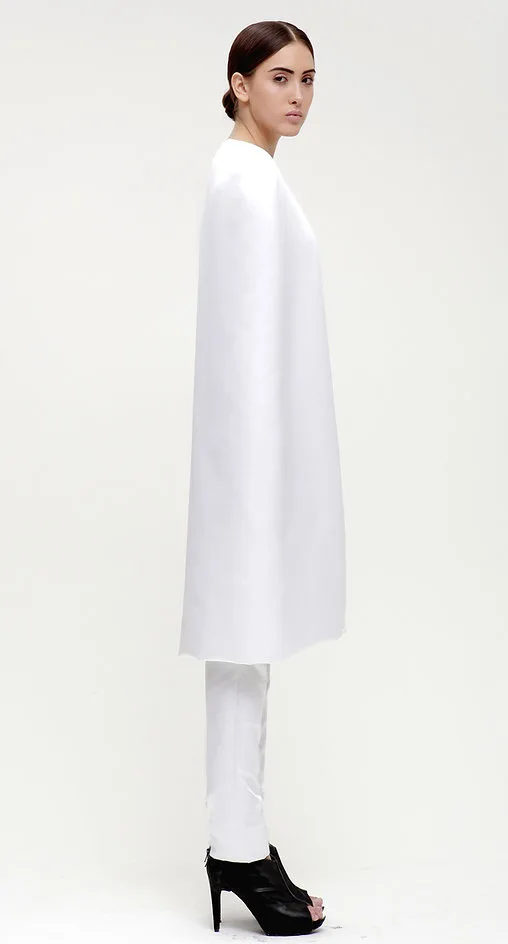
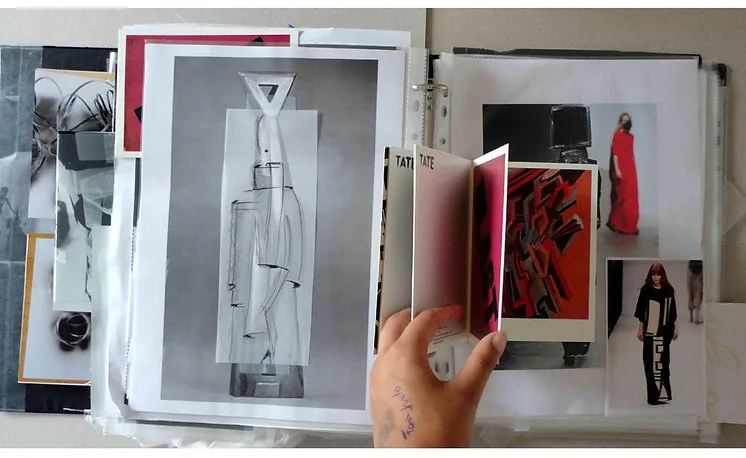
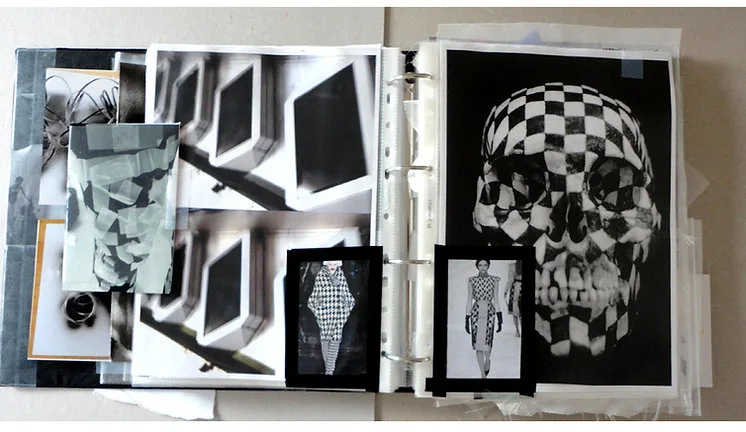
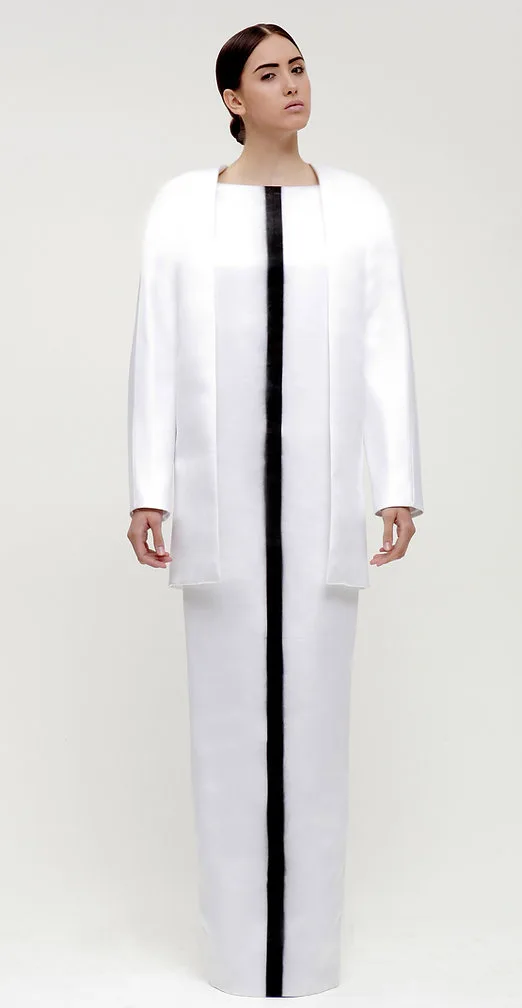
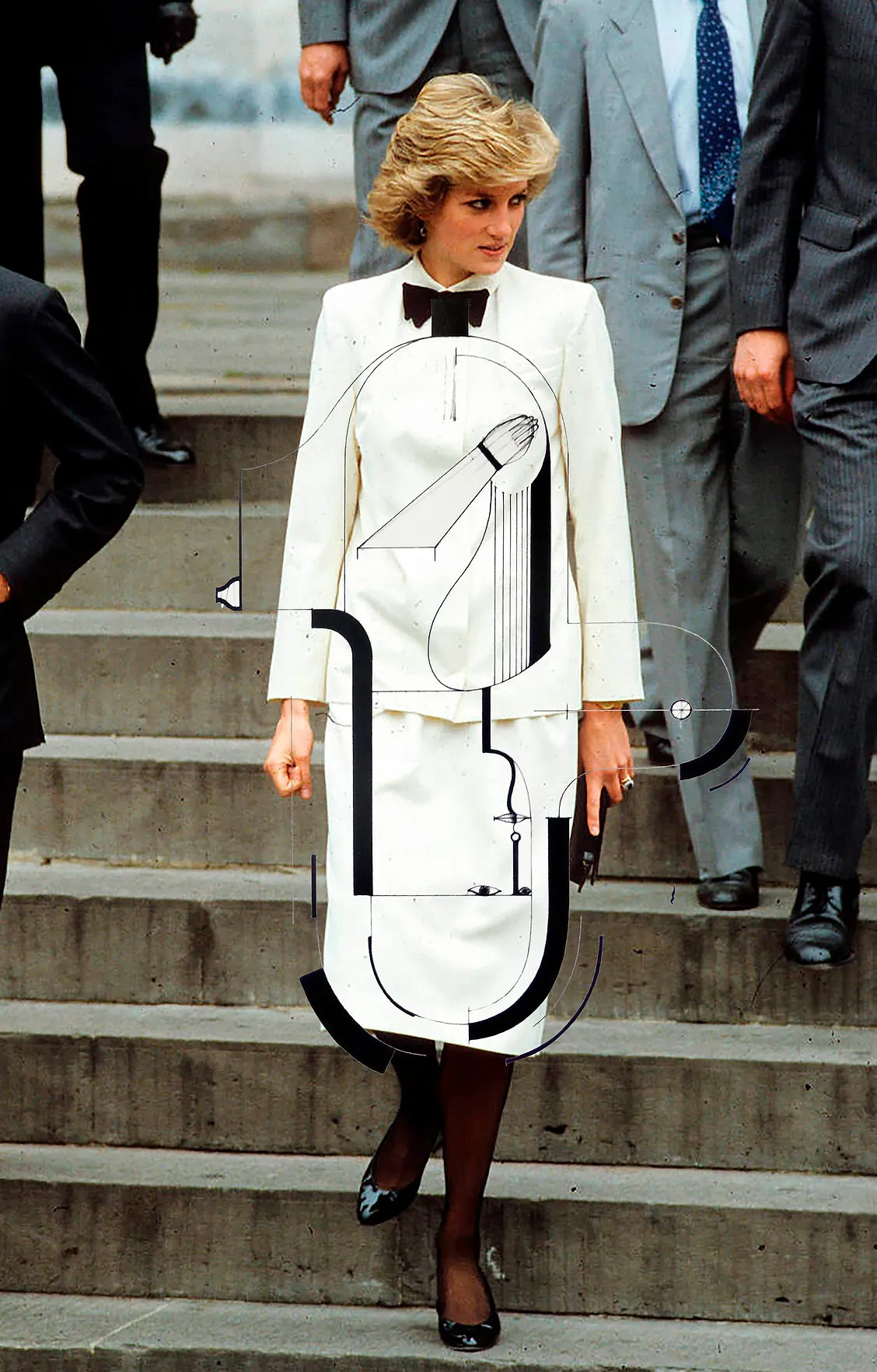
Before starting at Fashion Folio, Renata Estefan wrote for her BA final Project in Brazil a 200 pages book on the topic of visual language signs of communication. Connecting art and fashion, she wrote a minuncious study depicting and uncoding many of the successful and non-successful fashion creations inpired by emblematic art-pieces. Estefans' final pieces were inspired by brasilian Artist Almicar de Castro. At Fashion Folio Renata Estefan had the chance to take her project further and re-design her ideas for Amilcar Collection.
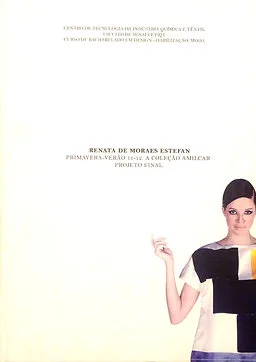
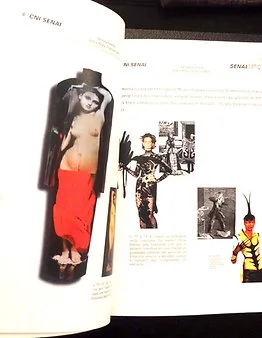
" Visual Language Book, written by Renata Estefan
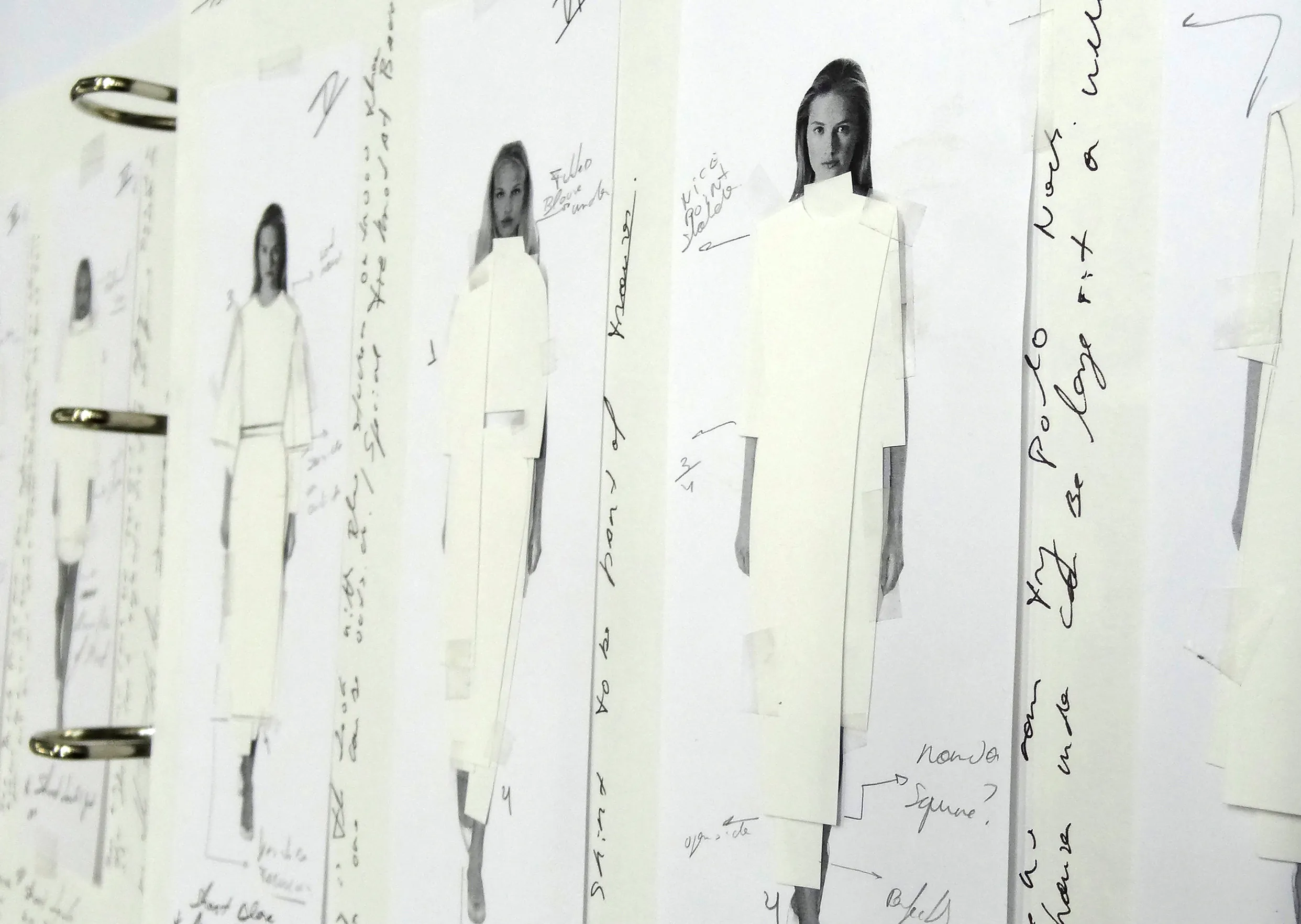
Fashion folio Amilcar Project - A5 sketchbook
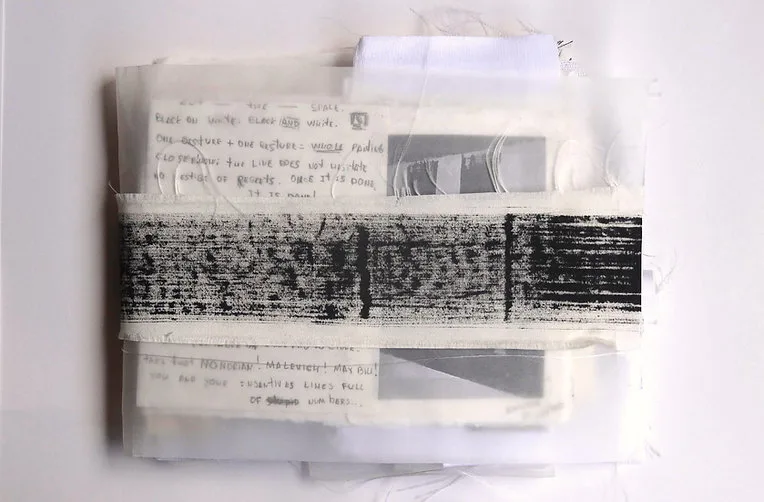
" One of the main things i learned at Fashion Folio was how to look into images. There was a very particular training for the eyes and the mind that would enable students to absorve and interpretate visual informations in order to create new visual informations that hasn't been seen before. And that is an importan thing to keep in mind: you can not become a reference if you are doing what has already been been done."
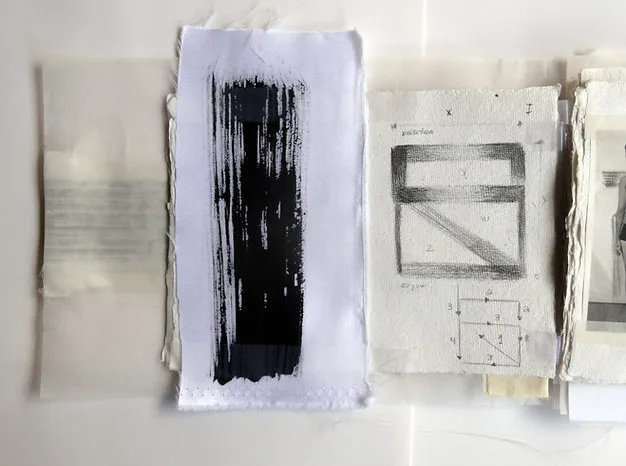
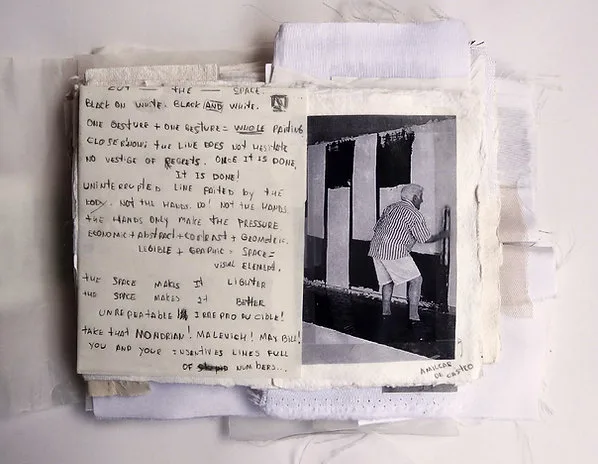
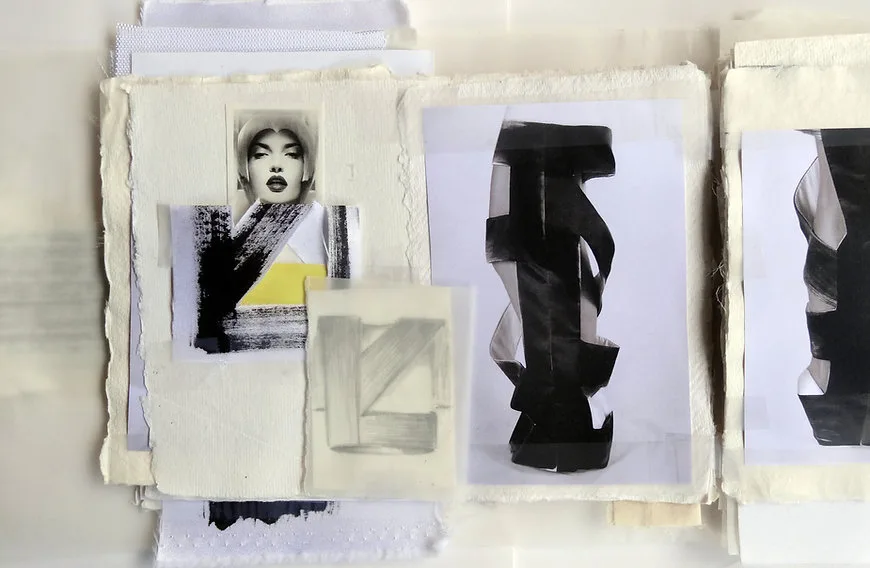
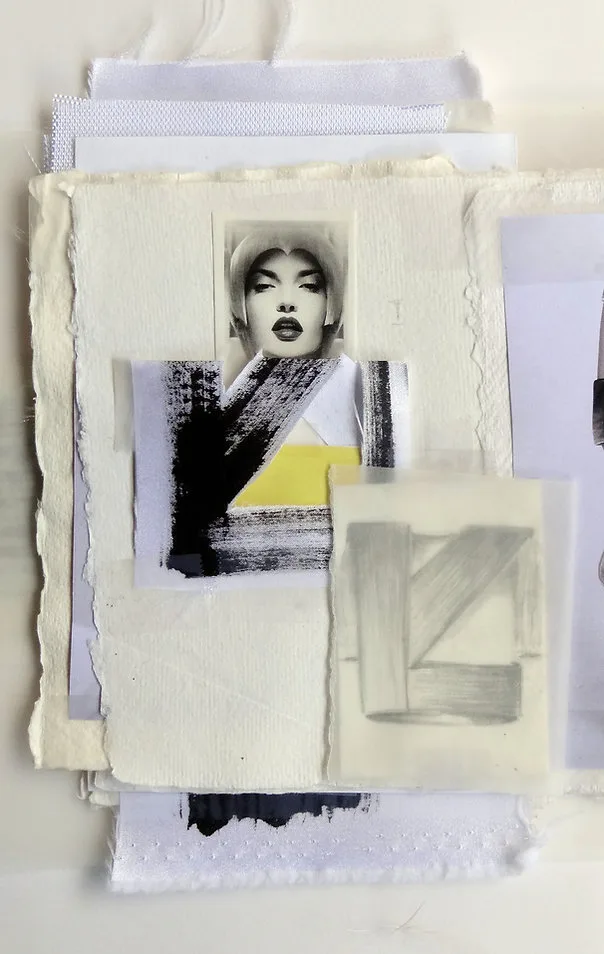

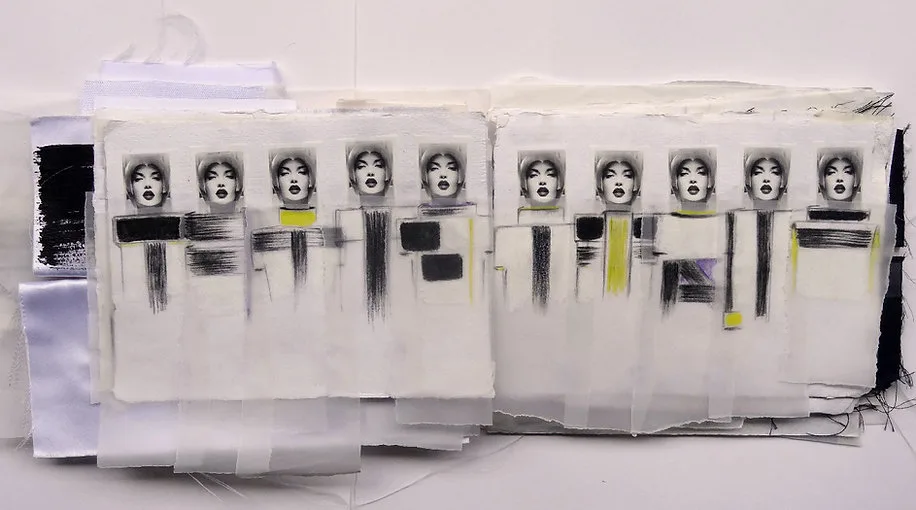
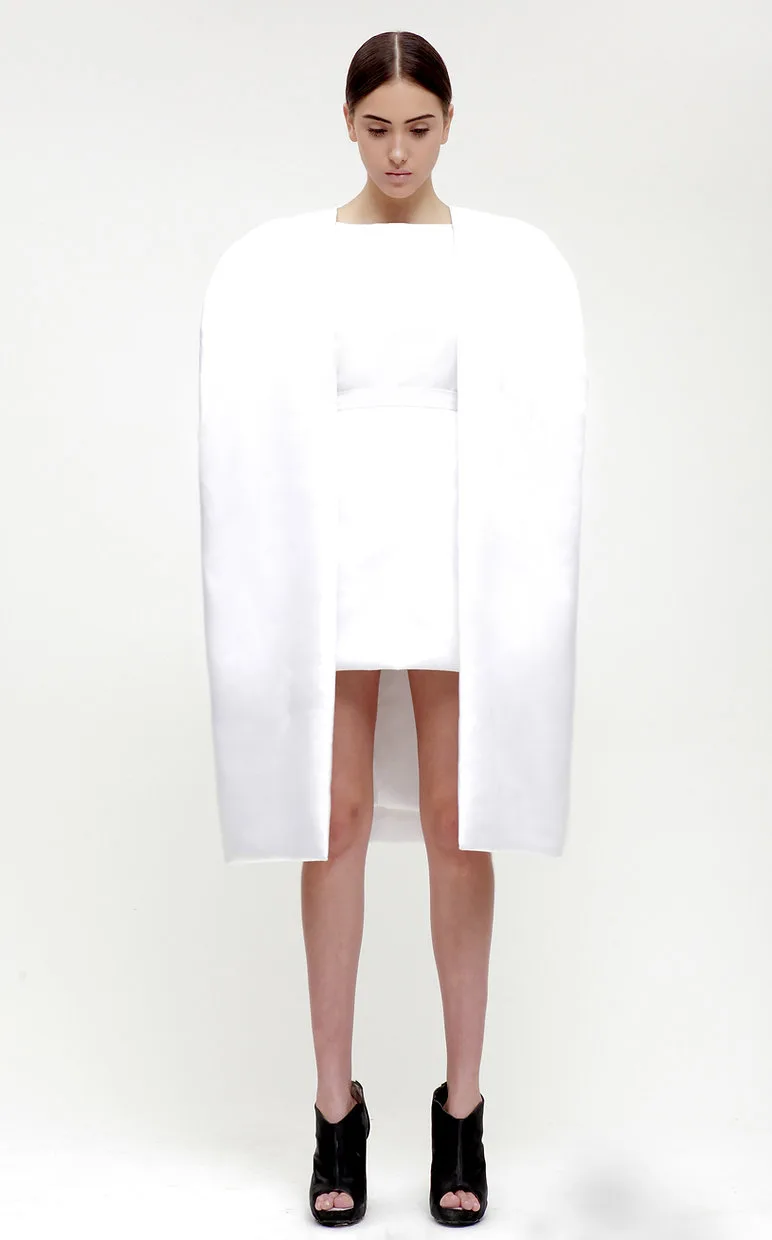
Interview Presentation for Graduate Diploma in Fashion 2012
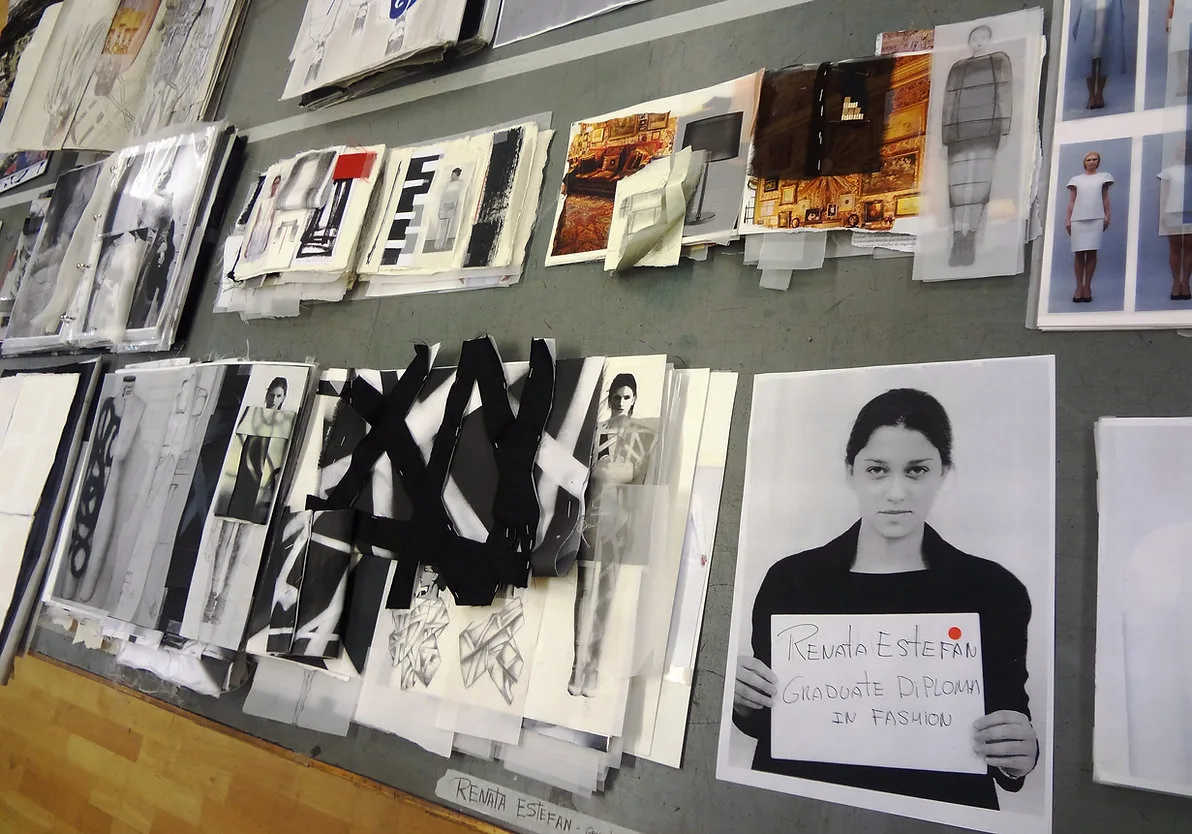
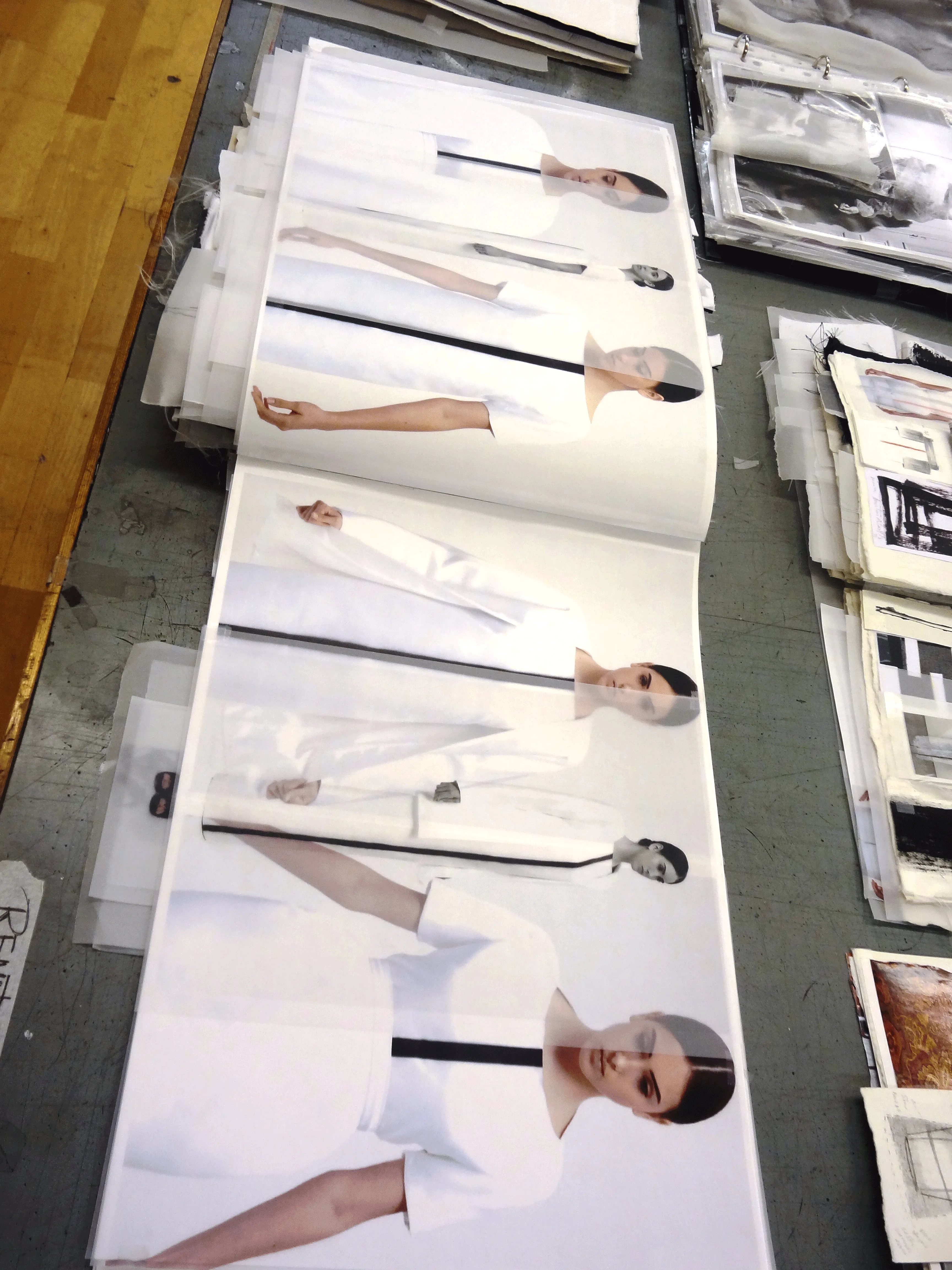
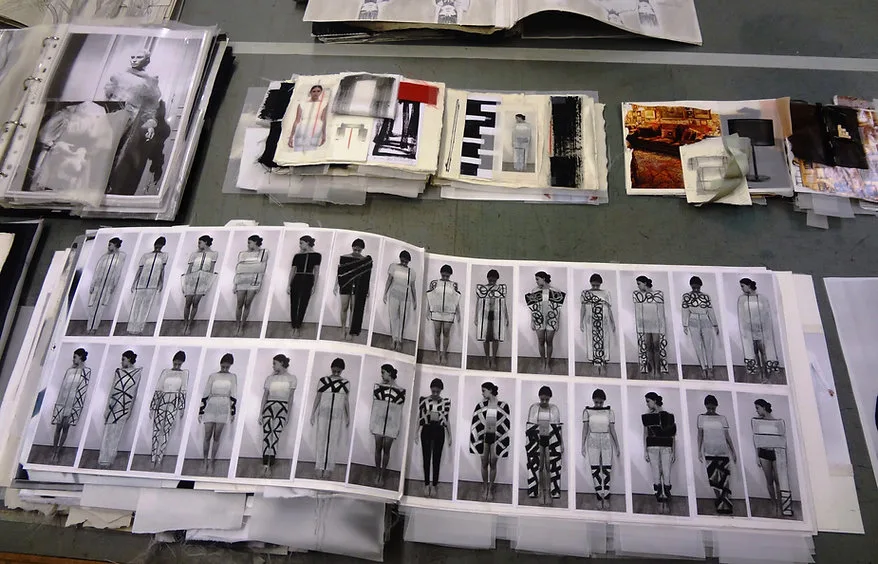
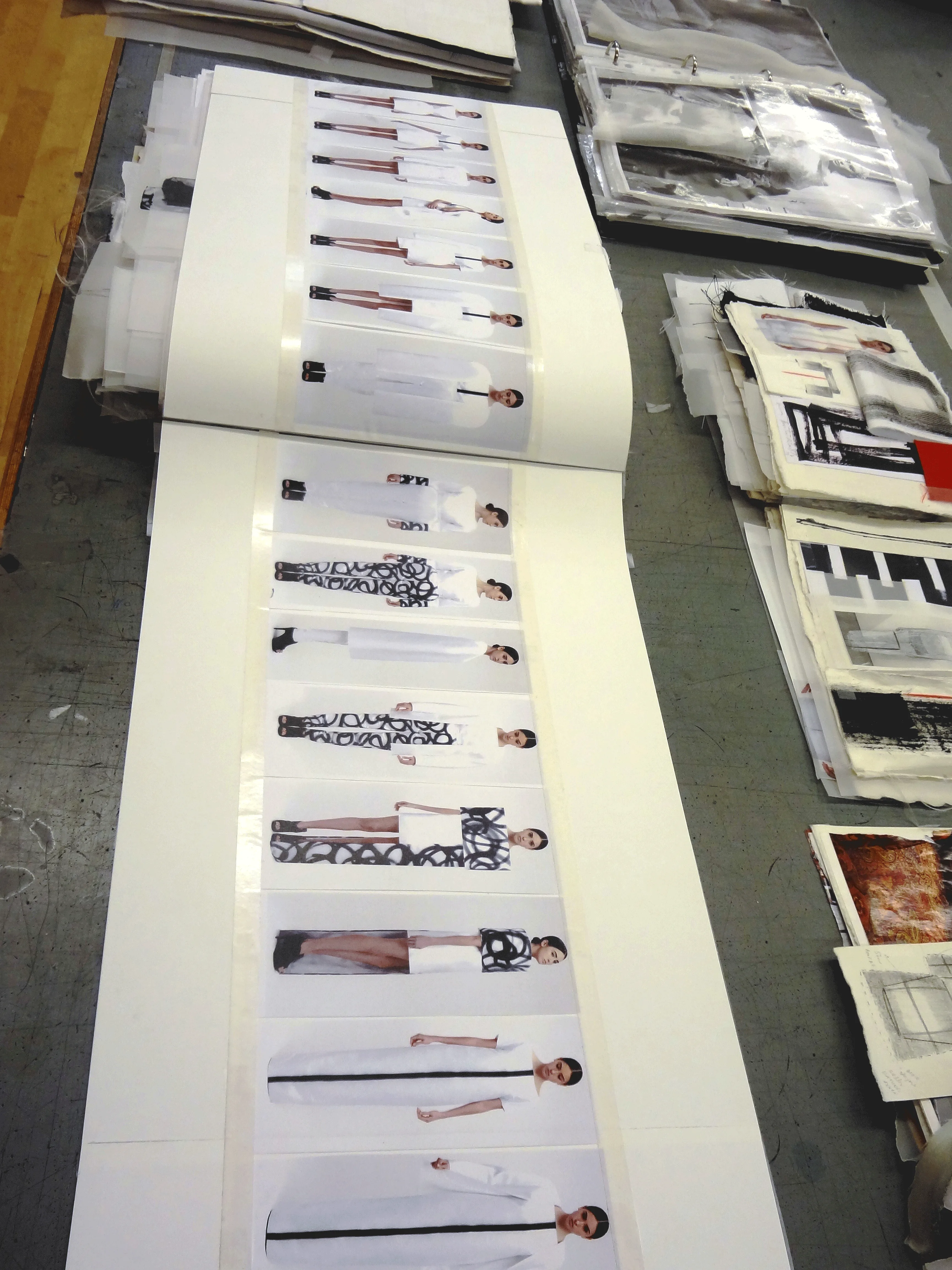
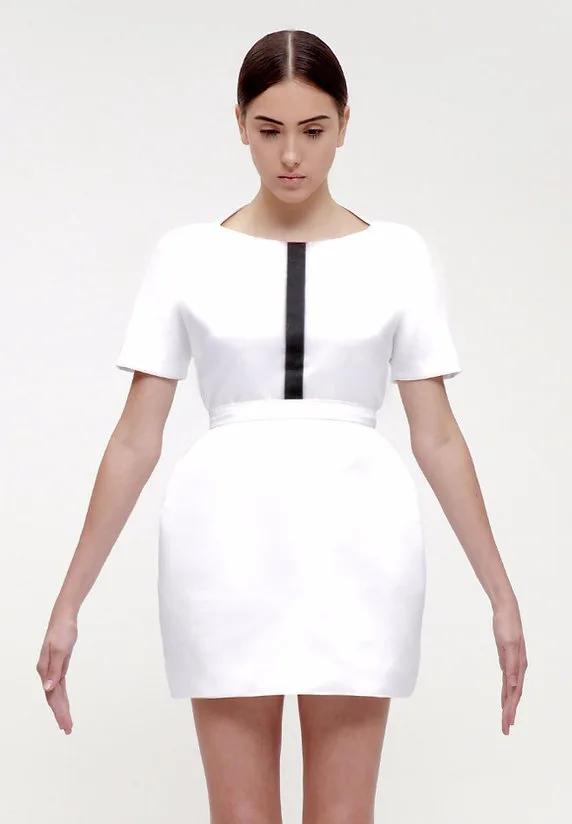
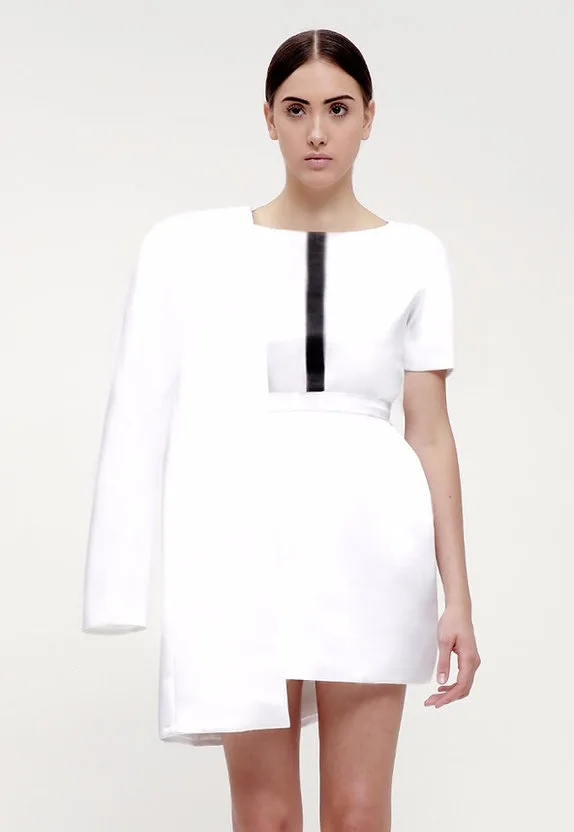
"Students often come to me asking what does CSM wants, what is the style of work they want to see? And they often think they didn't get a place or wouldn't get a place at CSM because their style is not what the college is looking for. But I dont think getting a place at CSM is a matter of style at all. You look at the students final projects, at BA and at MA, and the similarities between them are not on style. You have all styles there. The similaritie is on the excellence of the work. So answering that: No, they are not looking for a particular style of work they are looking for a particular style of student which includes the ones who want to do whatever it is that they do excellently well."
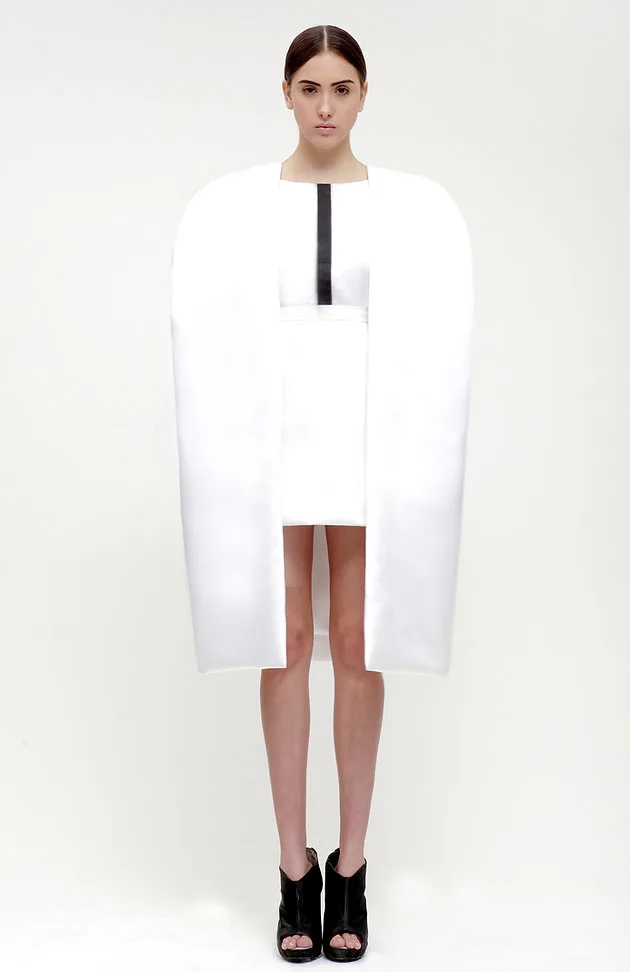
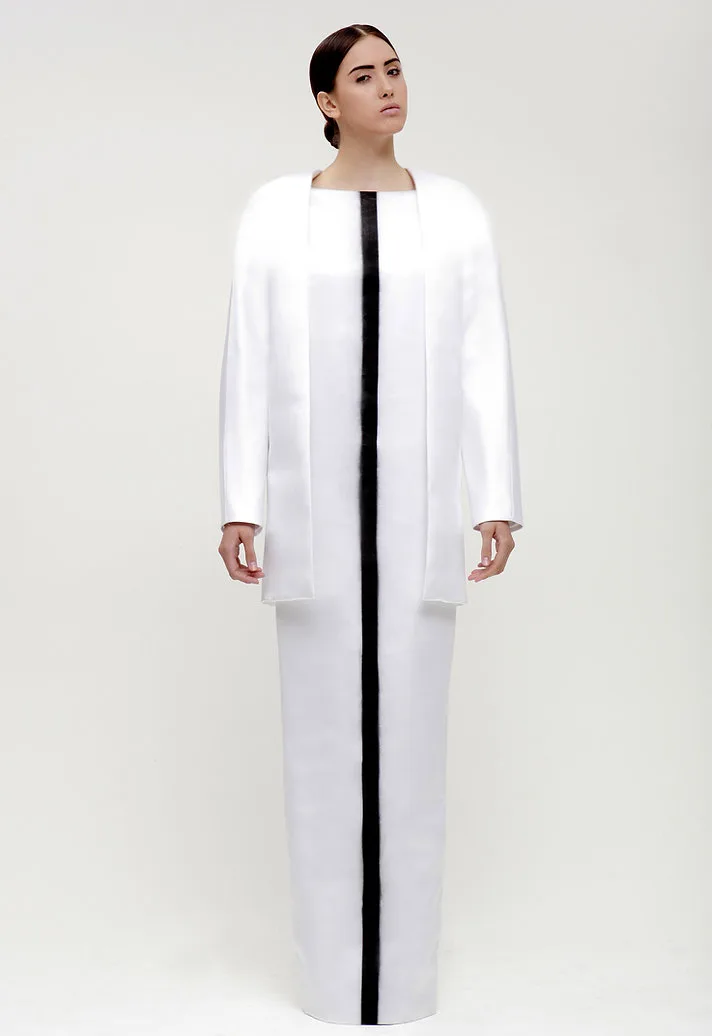
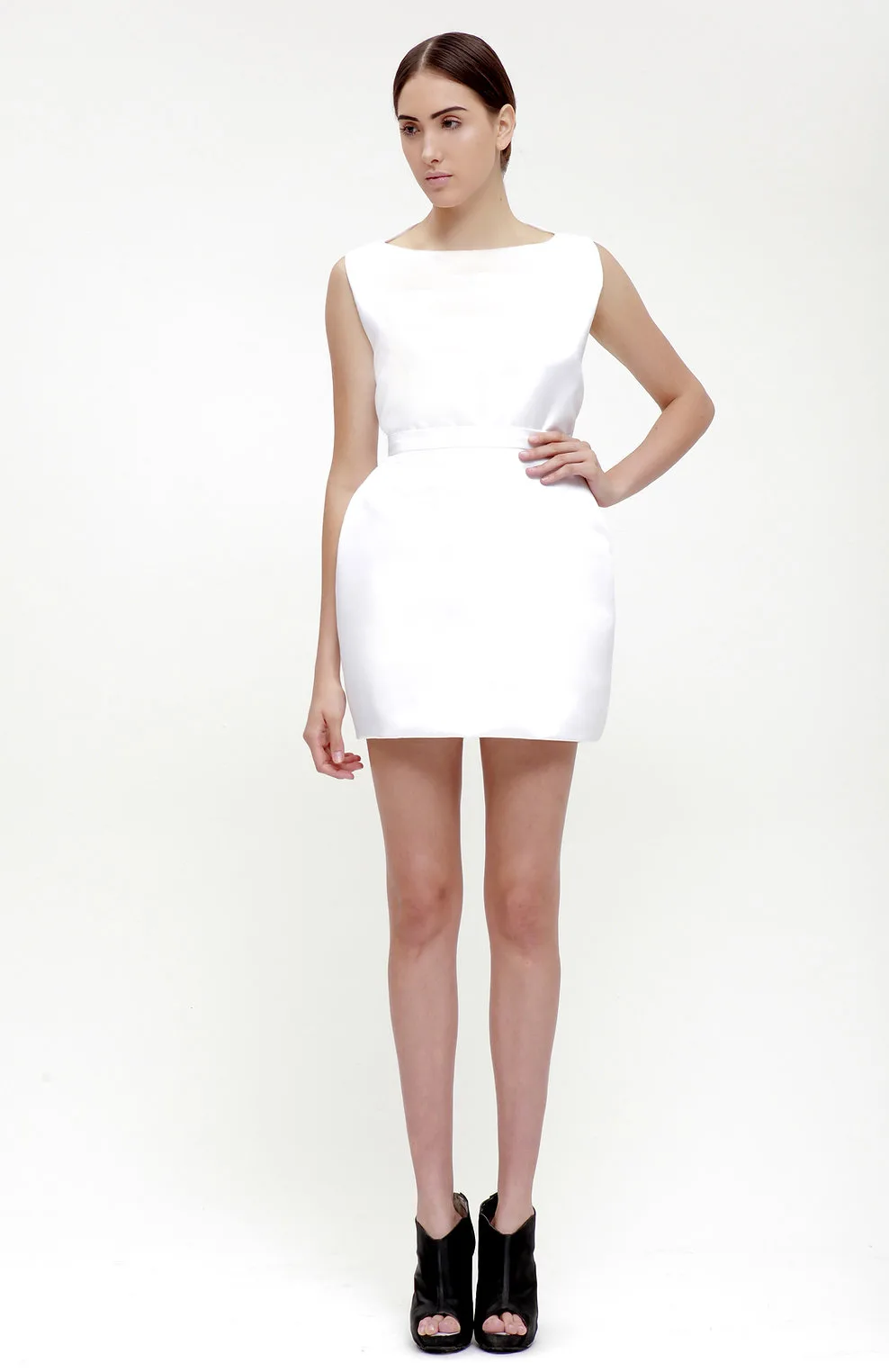
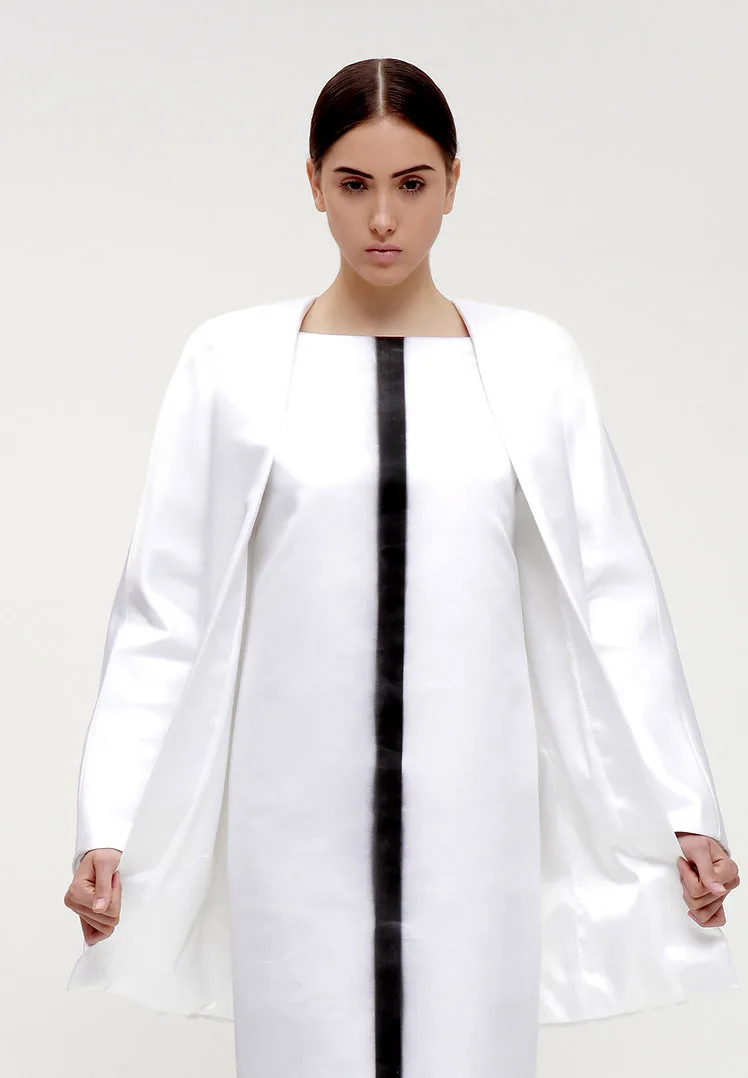
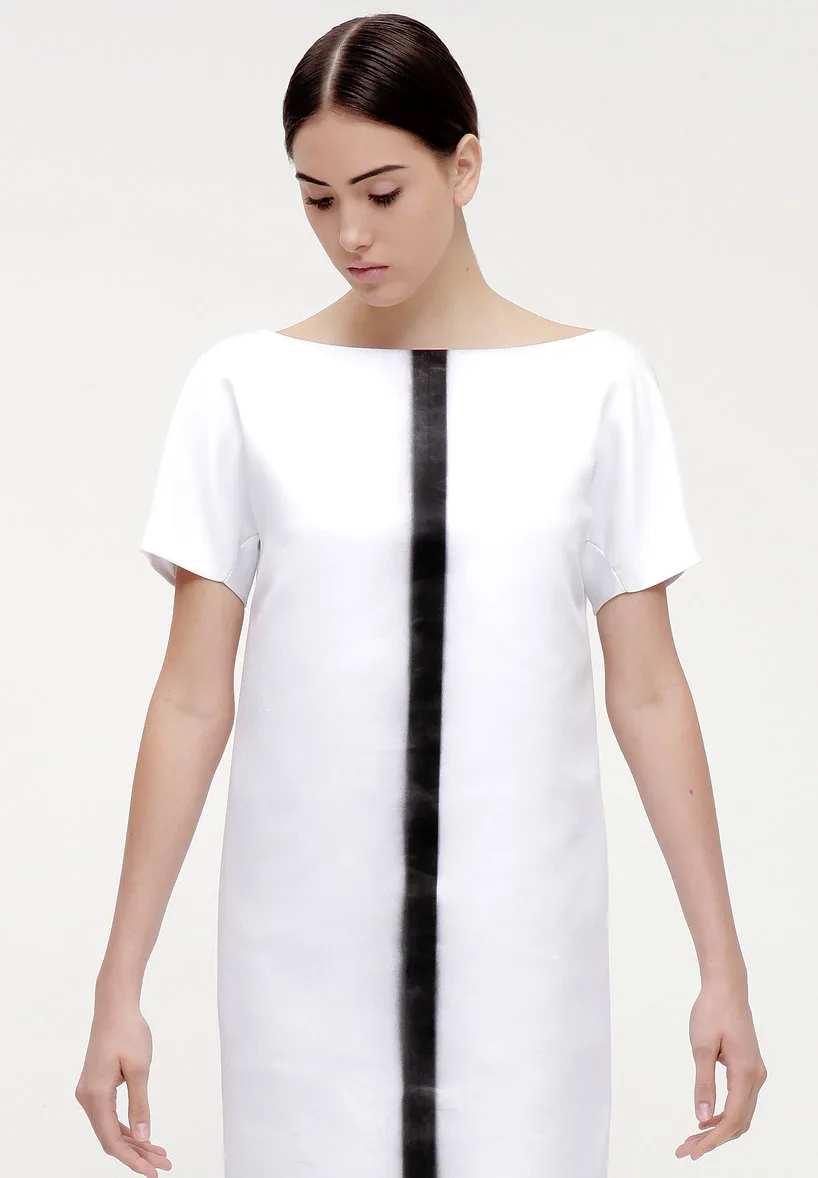
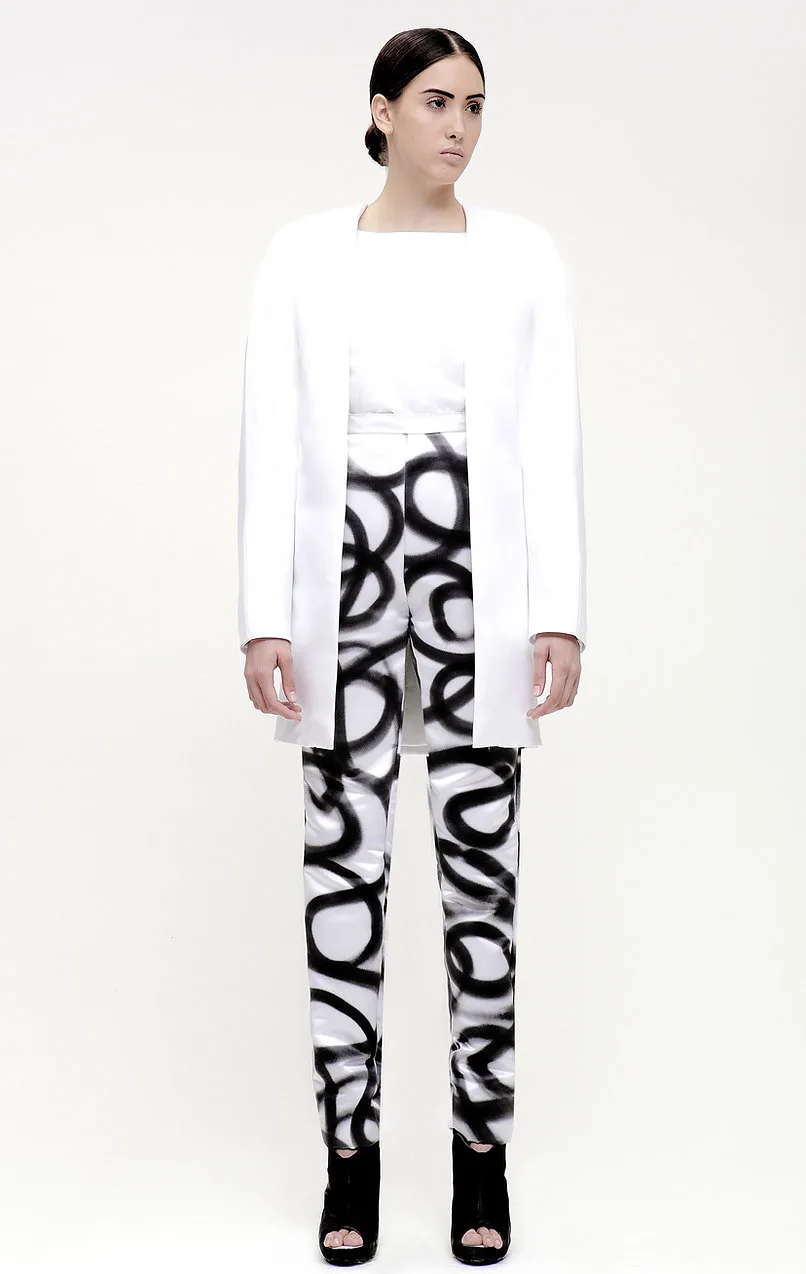

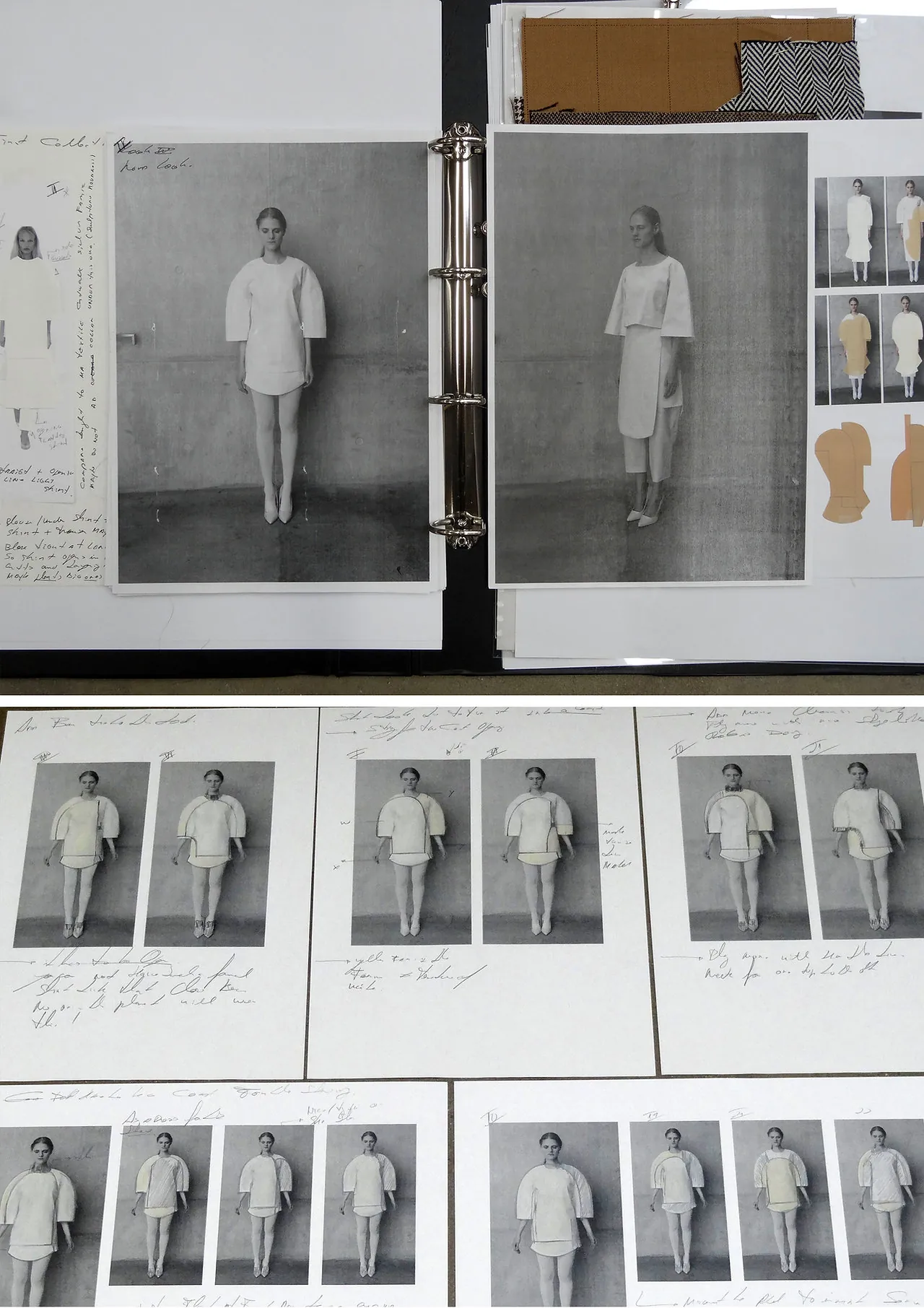
All the images above are pictures of some of the work produced at Fashion Folio, Central Saint Martins College of Arts and Design.
Portfolio
INTERVIEW by Adelaide Goetz
This collection is the result of combining everything I love and believe in, embracing my fascinations, obsessions and desires. It aims to create a world and a statement that a woman would want to be part of.
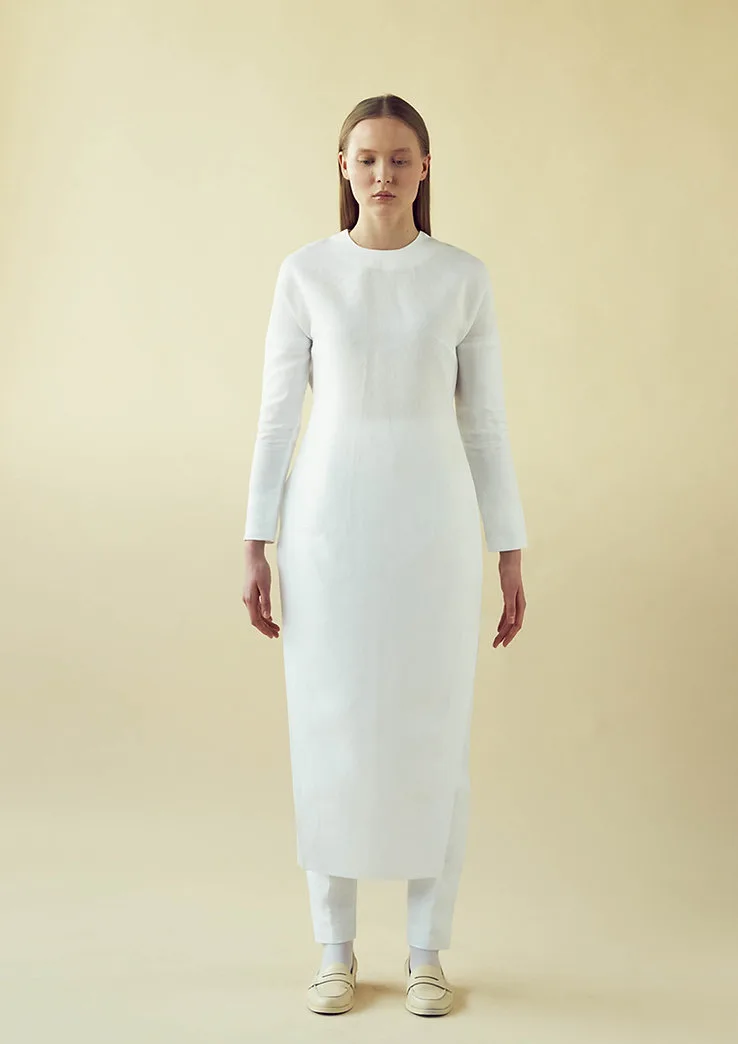
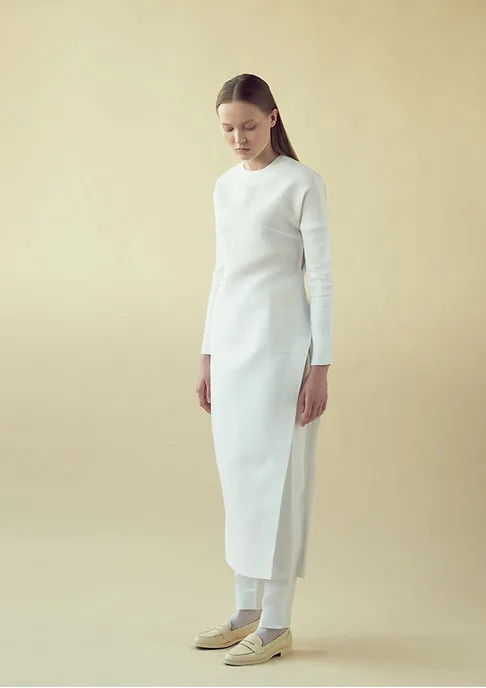
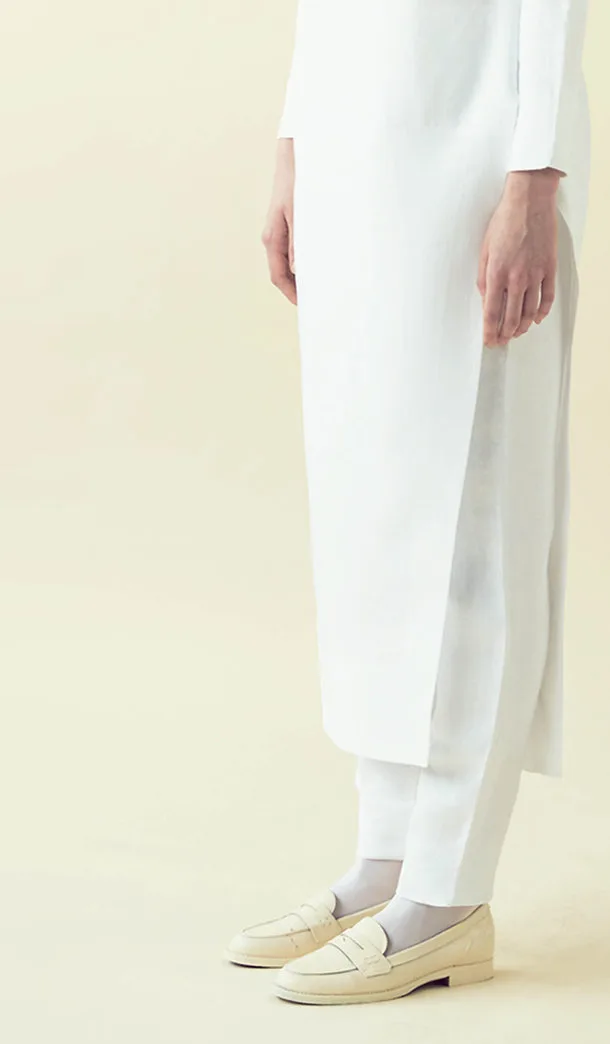
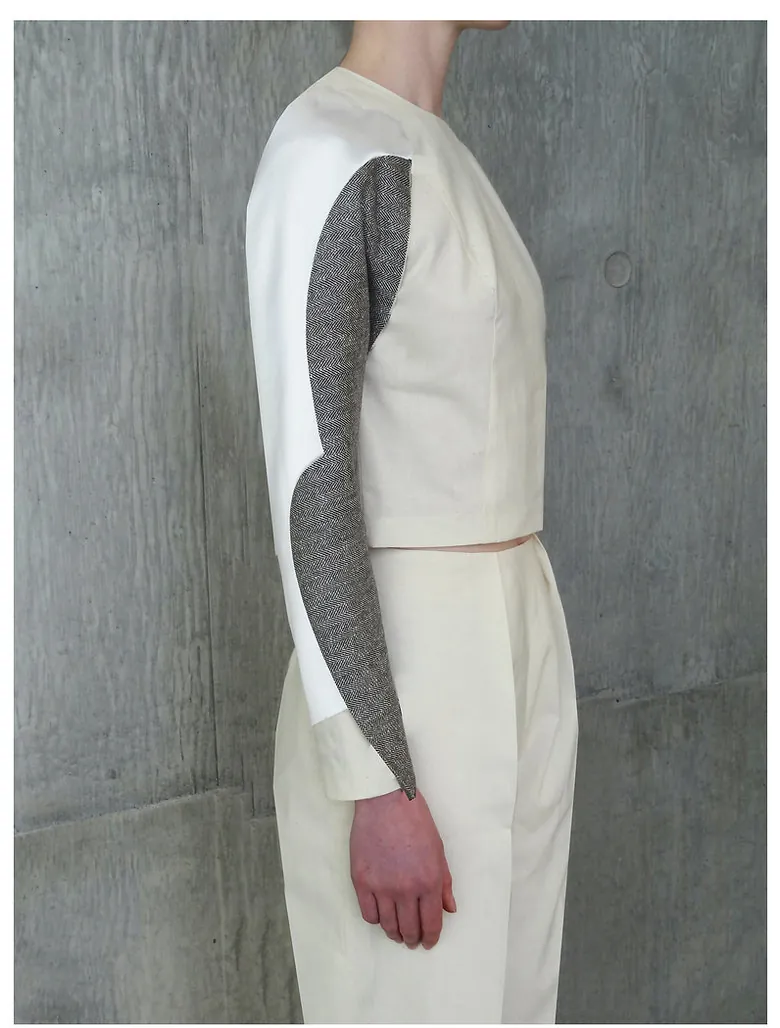
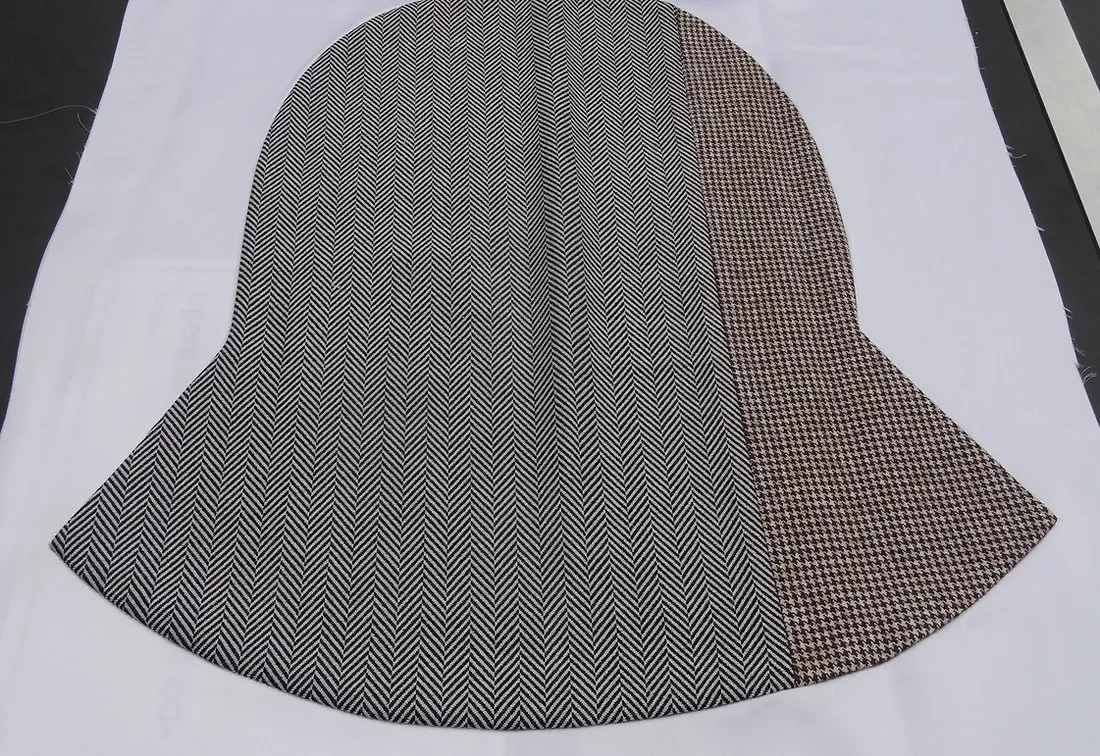
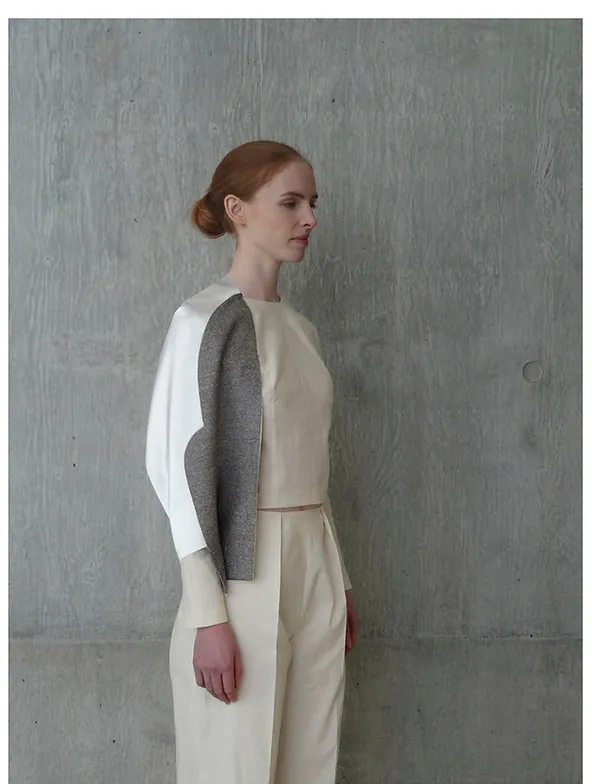
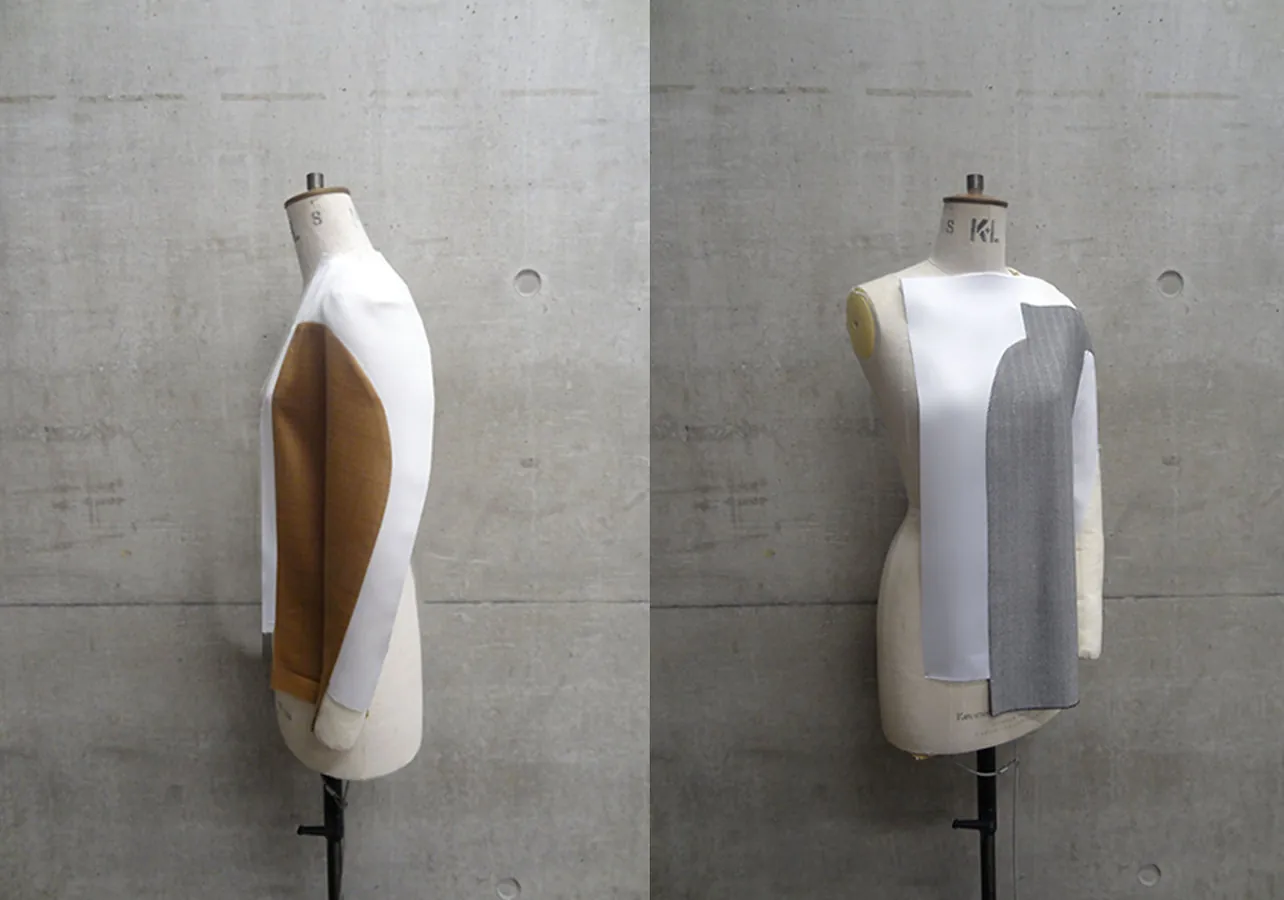
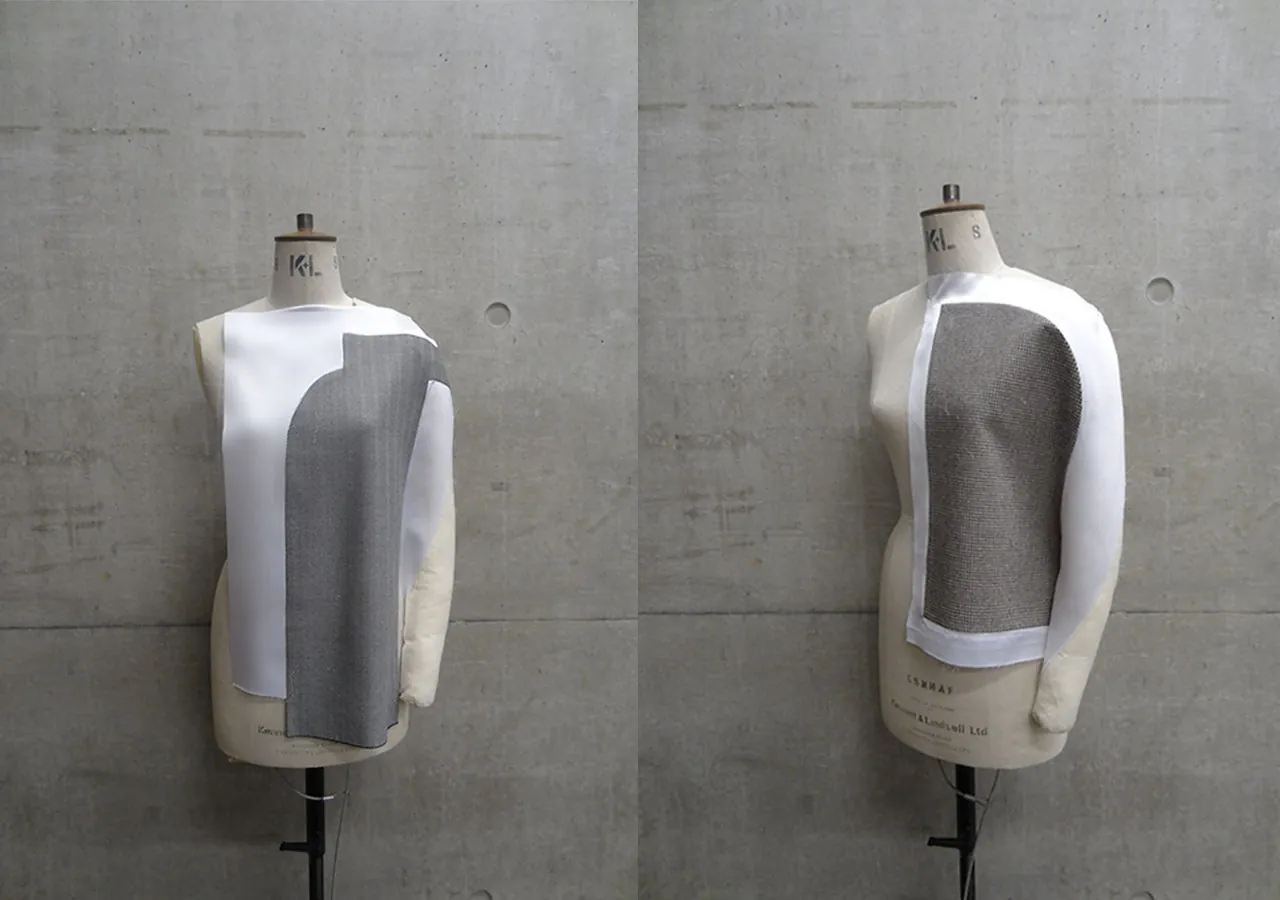
The collection uses classic English Tweed in an unconventional way by combining it with luxury tech fabrics
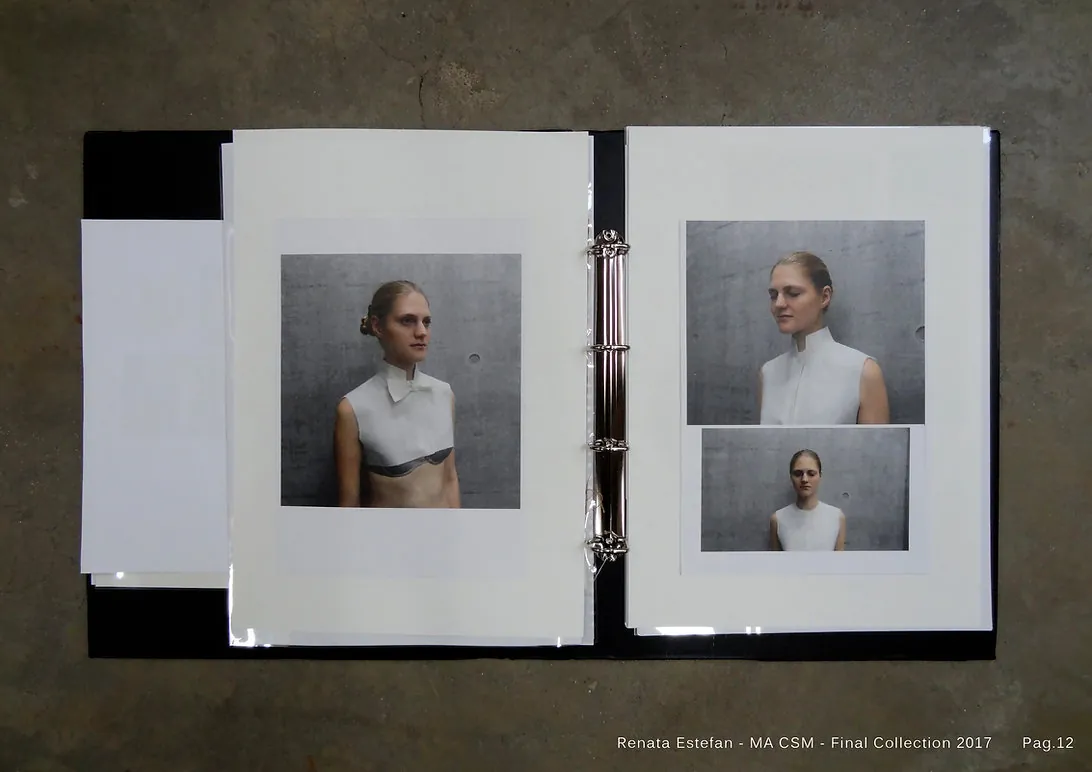
" I love to mix elegance and modernity. I love elements of menswear in women's fashion. They asked me once on a critic : What kind of a woman wears a bow tie ? The bold ones"
"Chic, timeless, modern, and ethical. This was the only sustainable collection produced on the MA Fashion 2017 at Central Saint Martins. It is 100% free from PVC, leather, fur, angora, cashmere, skins and feathers. The garments are lined with 100 % ORGANIC COTTON and are fully recyclable.
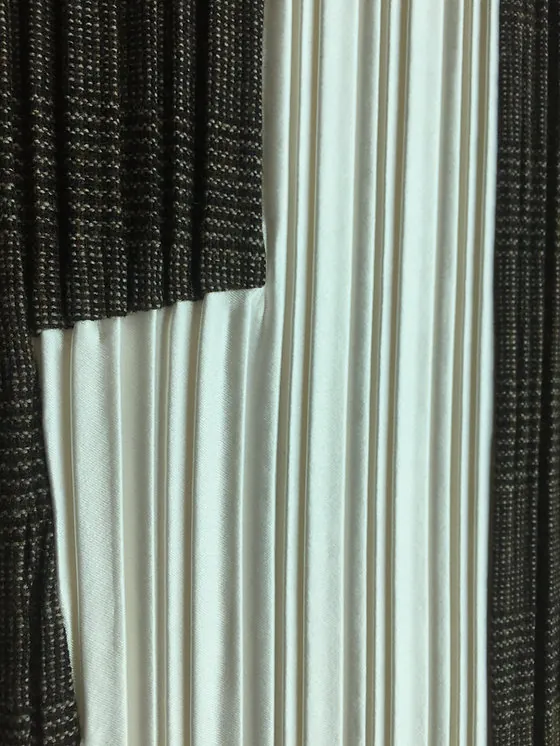
" (....) I wanted to reinvent the tweed. Instead of casual I wanted it to look luxurious and modern. So I combined them with satin fabrics and the contrast was beautiful and unique.
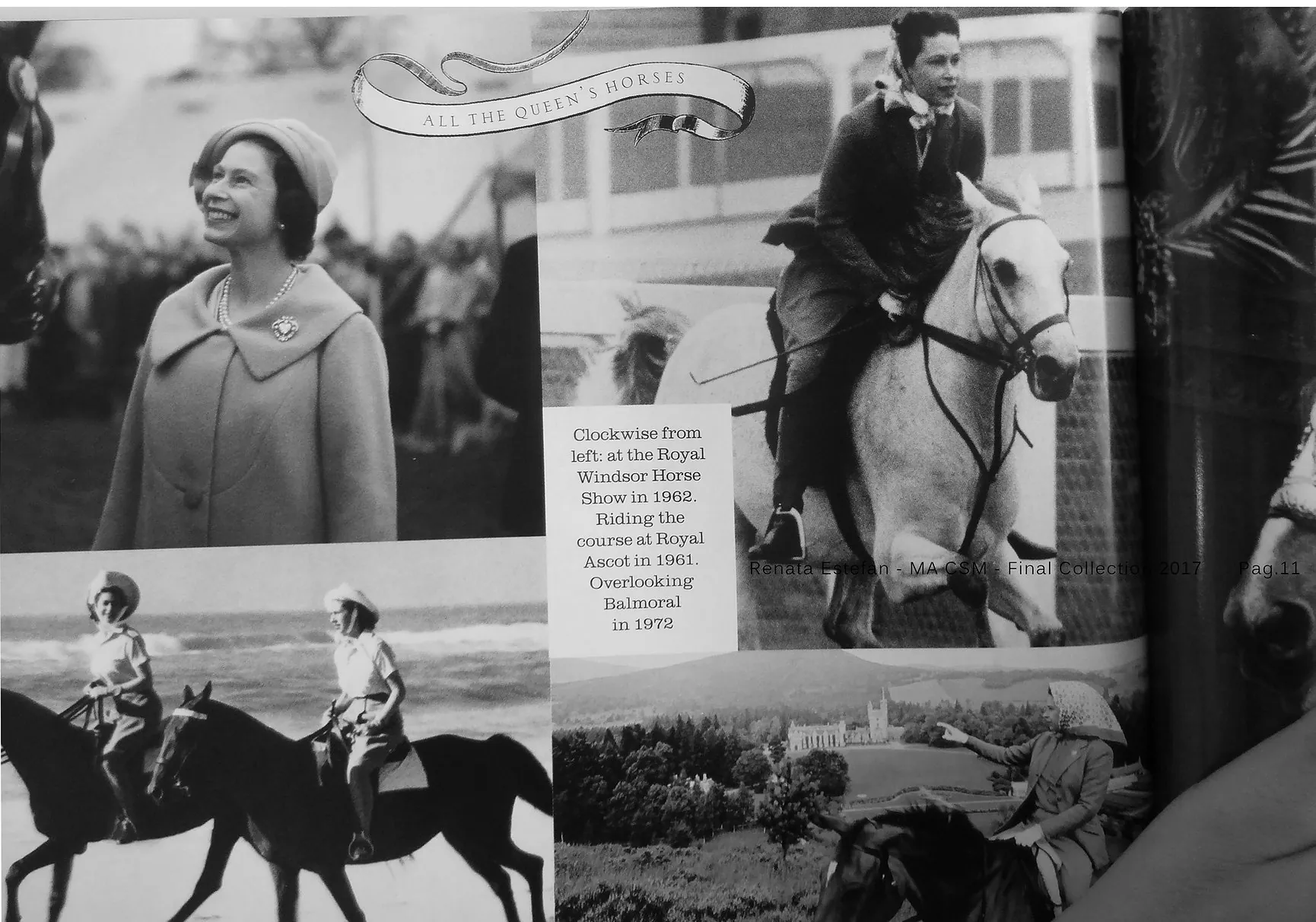
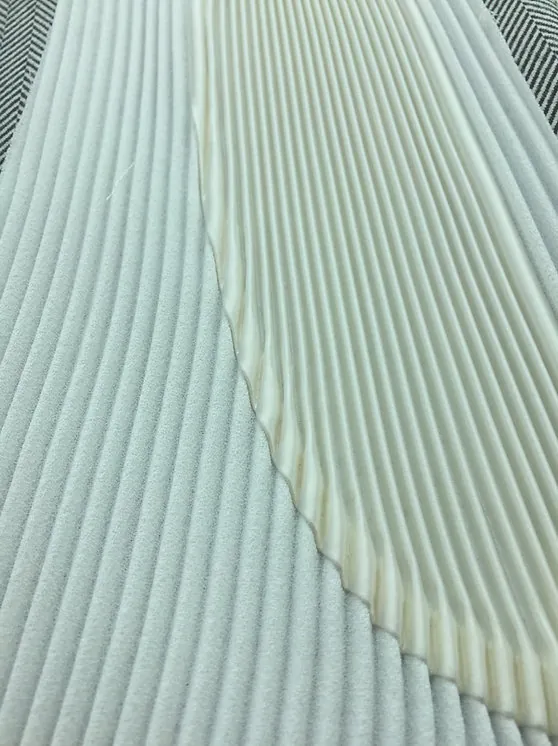
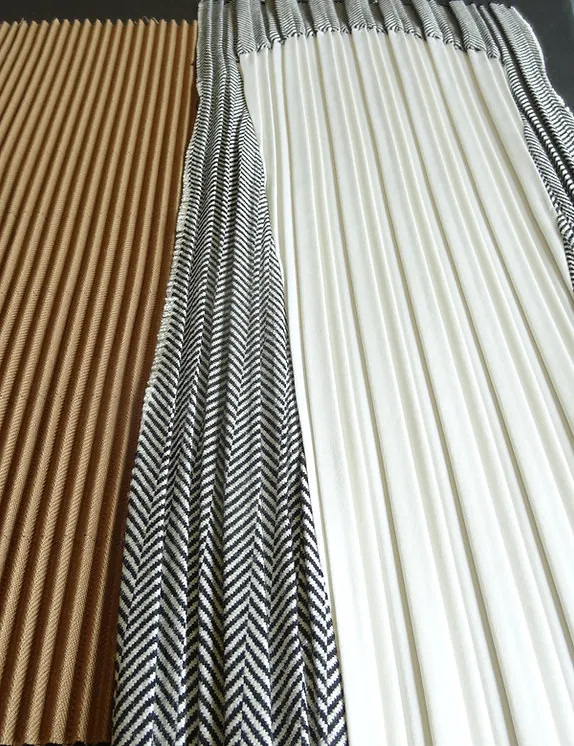
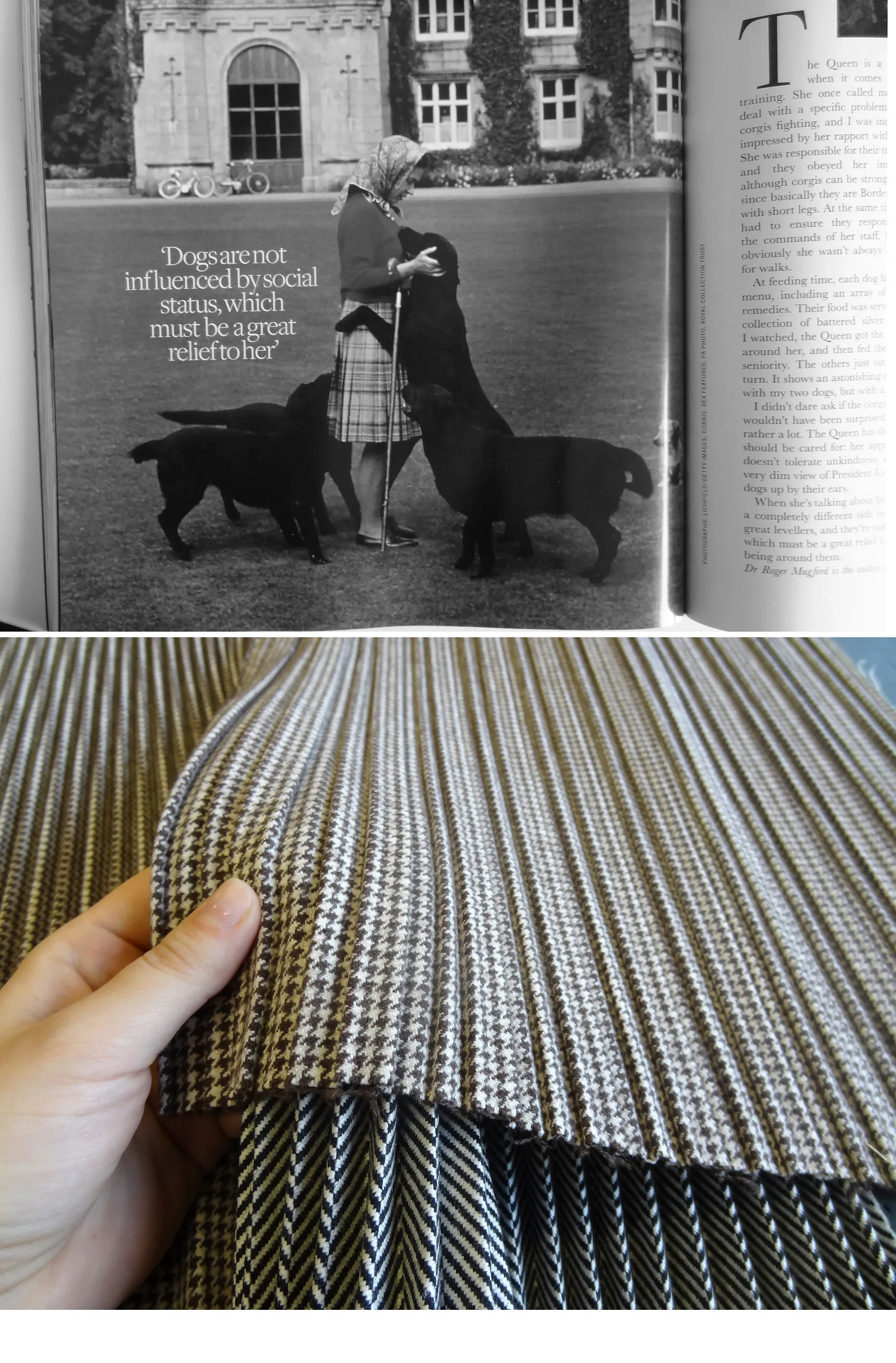
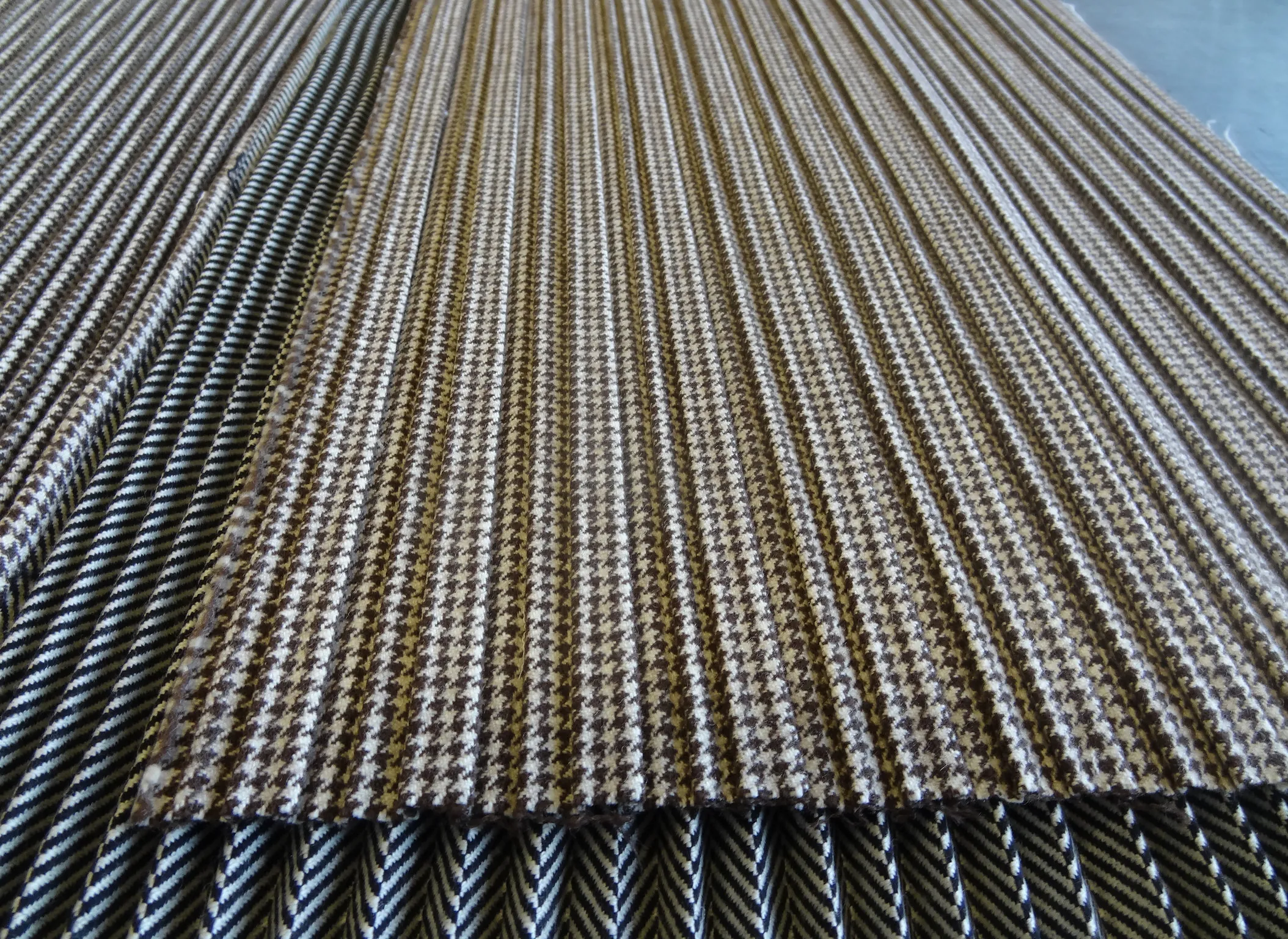
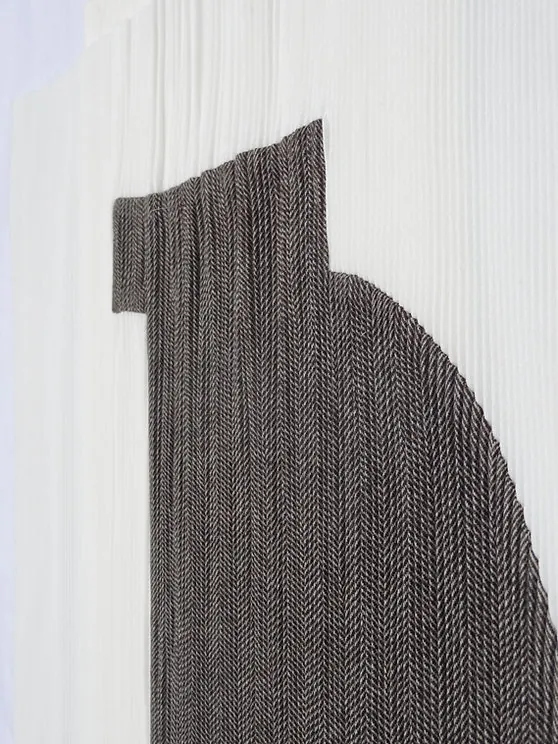
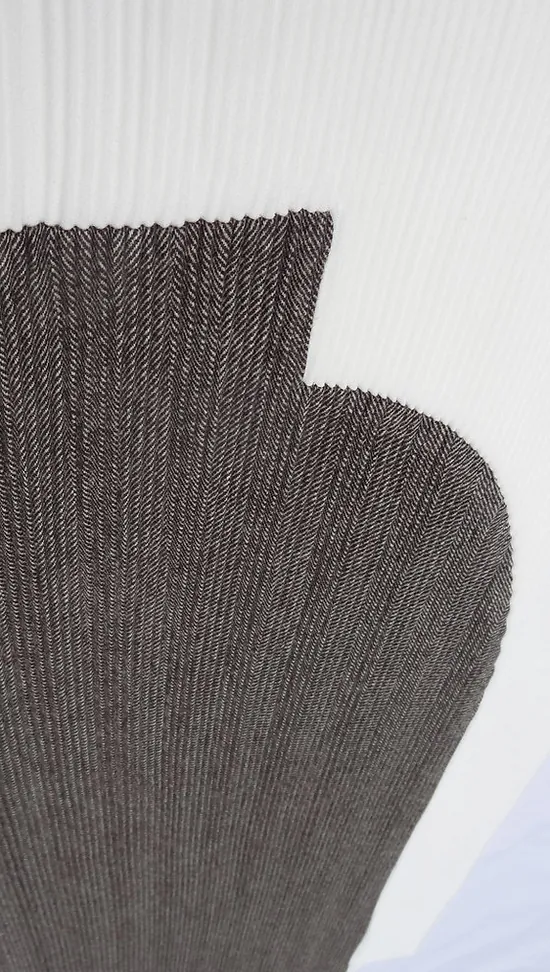
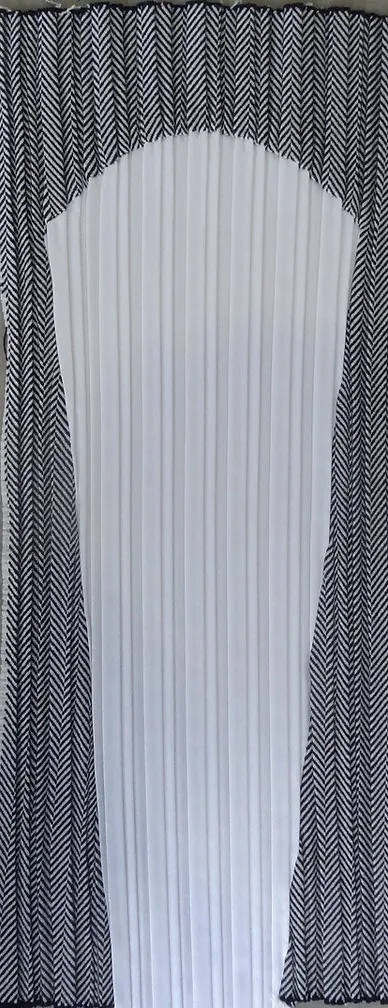
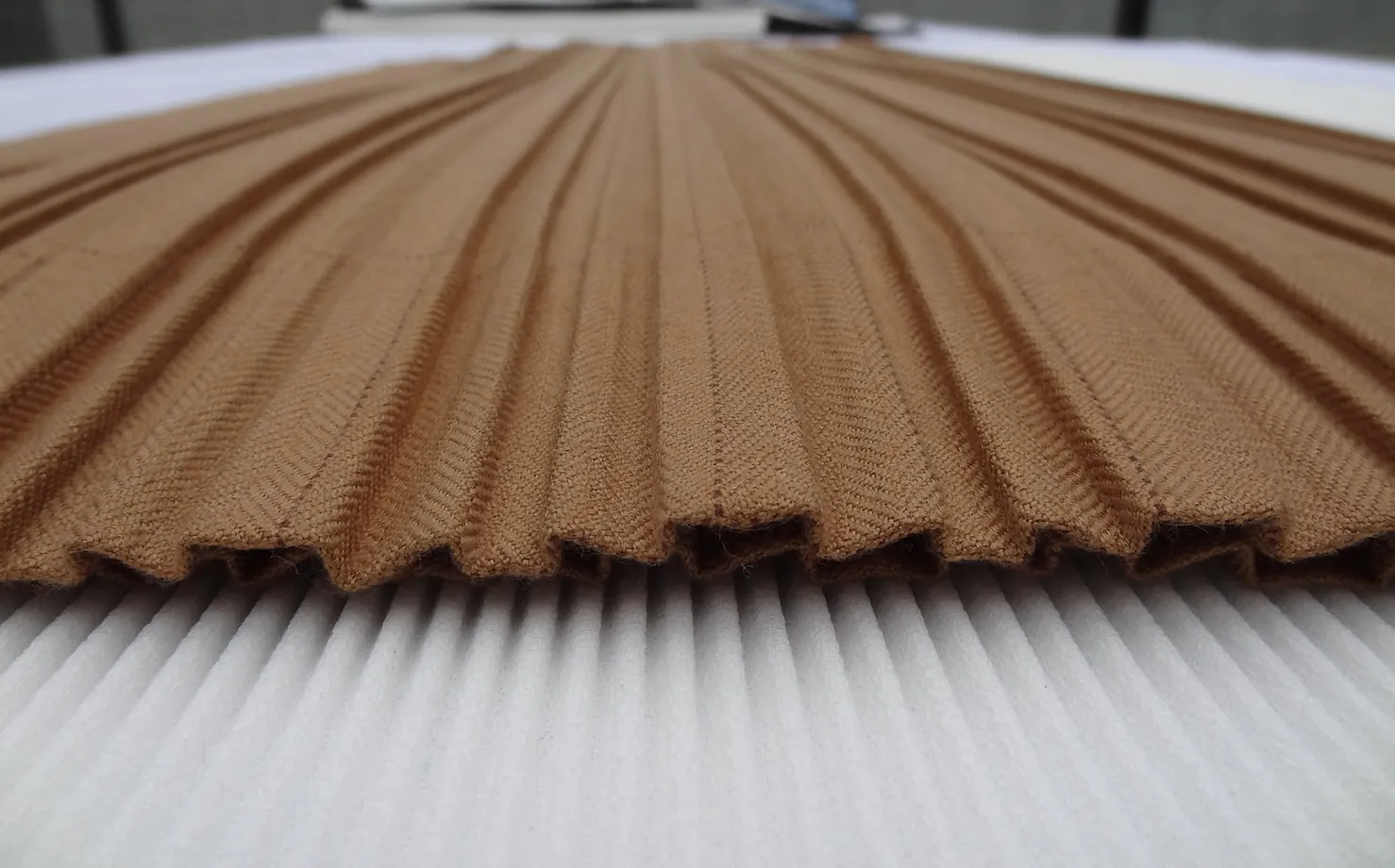
I decided to pleat my fabrics after I saw the picture of the Queen playing with her dog. That was on the 23 of December. I had been looking for the key factor that I felt was missing on my work and it hit me. I wanted special pleating , not the ordinary ones we normally see on wool. For me, something ONLY works when people see it from a distance and ask themselves: "what is that? How was it done?" And they will want to look closer and will go: "Oh! That is what is it? So simple."
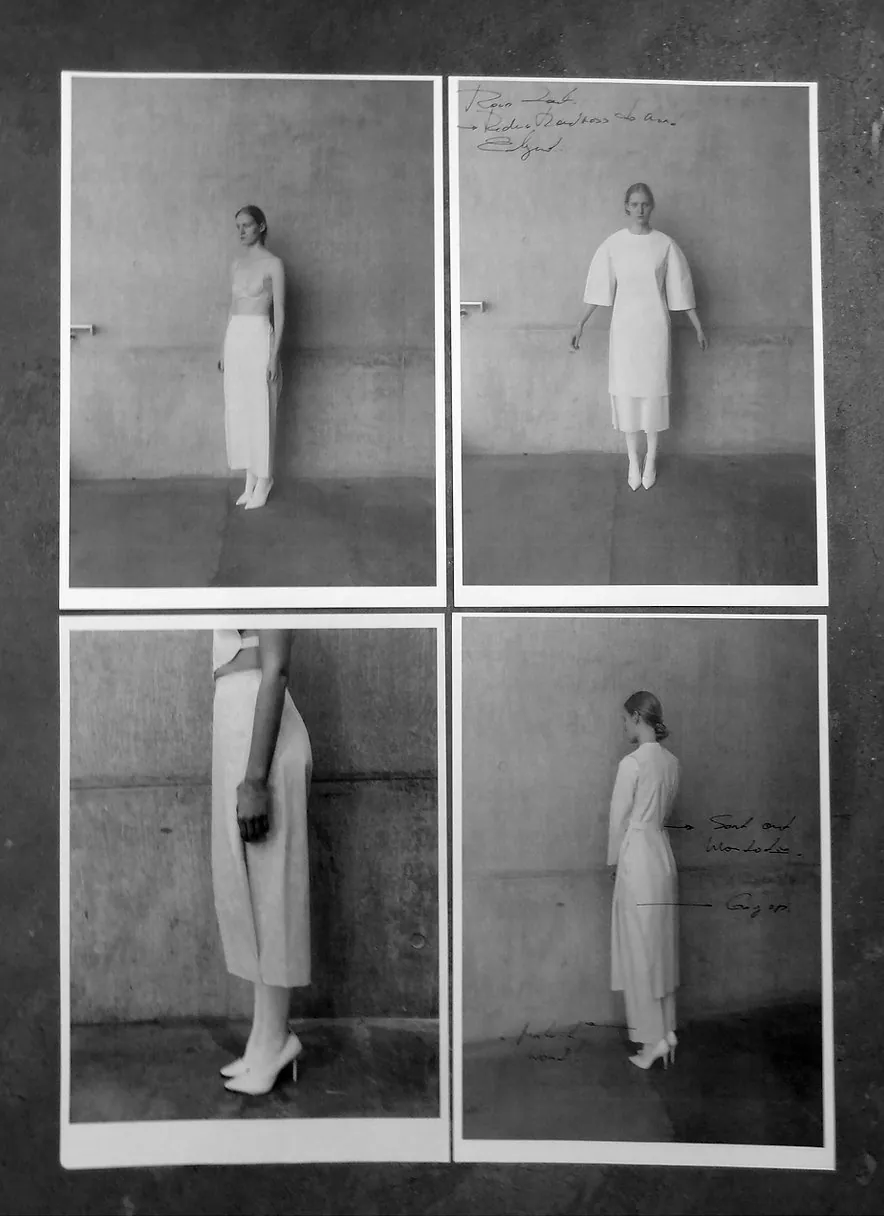
" I am obsessed with lengths, 2 cm wrong and you go from Chic to - there is something weird- . It took me a full week of experimentation to find out the perfect length for this collection.
One of the most important thing to me was to do something beautiful. I didn't want to hear people saying it was cool. I didn't want to hear people saying it was interesting, or great, or nice. The only word I wanted to hear coming from people's mouth was the word : BEAUTIFUL. It would mean I got it right. Beautiful is a special word.
"I DIDN'T WANT IT TO BE COOL. I WANTED IT TO BE BEAUTIFUL."
"Amongst a cohort of incredibly loud, youthful designers, Renata designs for an elegant woman with a quietness that will stand out."
1Granary
(...) She is the right woman. Who doesn't want to be or at least doesn't secretly admire this woman? The style brings together a new and unique balance of features, not yet seen in the industry. Formal , modern, chic, clean, feminine, quiet and classic.
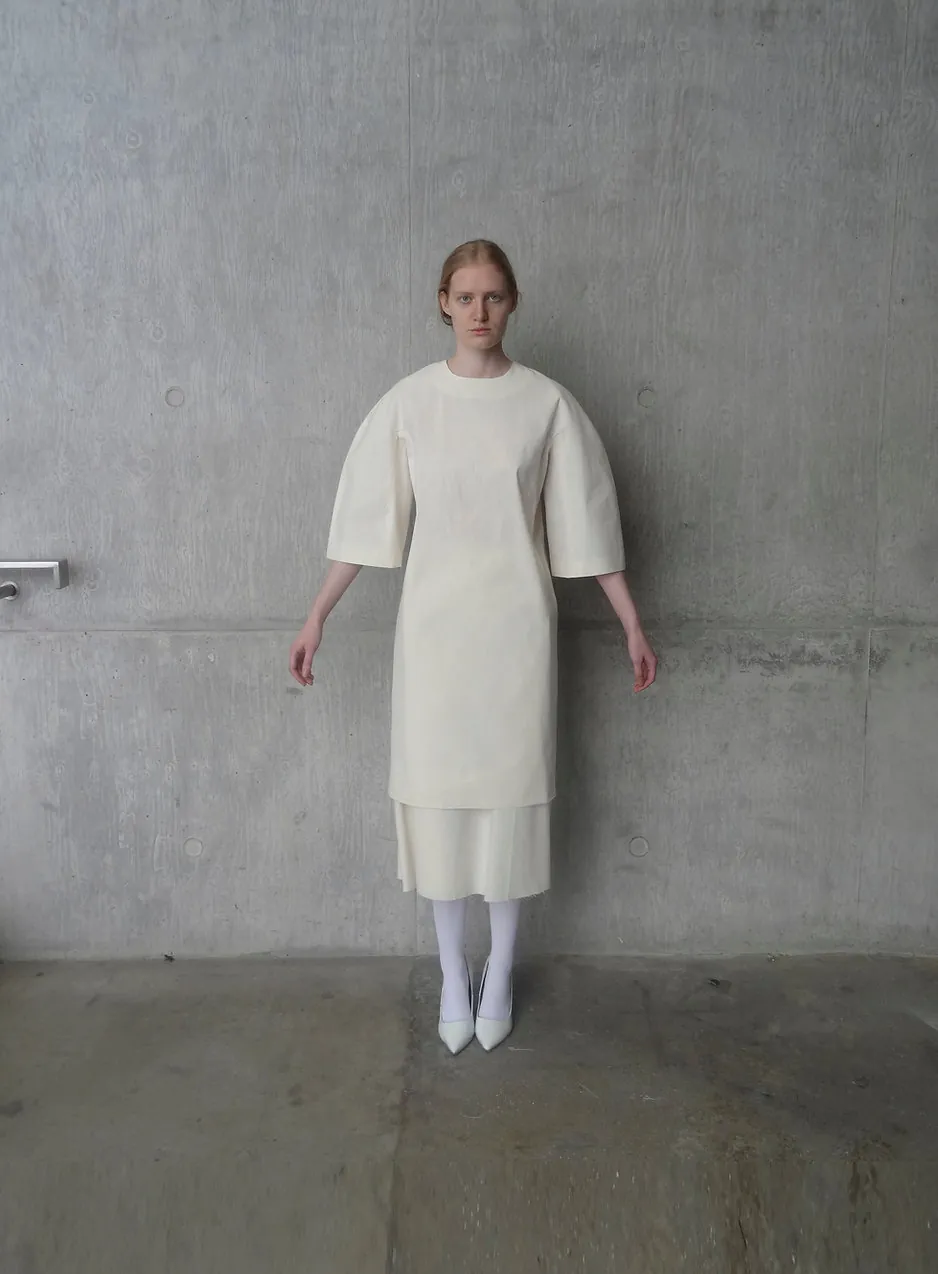
When the students ask me what was the most difficult thing I went through on designing this collection I explain them that it was to accept that perfection is unreal. I would redo something so many times because of insignificant imperfections that I can almost say I have three of the same final collection in my room right now.
" My biggest advice is this: aim for the perfect understanding that it will bring you the excellent. If you aim for the excellent you will end up with the good and if you aim for the good you will end up with the mediocre. "
"Everywhere I go and everything I see I tend to analyse how would I possibly improve it in order to make it look more beautiful."
Pleated Wool and acetate based satin.
The hardest thing I have heard on the MA was that my style of work looked like this specific designer style of work. ( it was said with a negative tone meaning what I was doing was not fashion ). It was hard, not because the designer was bad, but because it was one of my very favorite designers, one of the greatest ones in the world. The one I look up to and always wanted to work for. How can one not like his work and what would I do from that moment on?
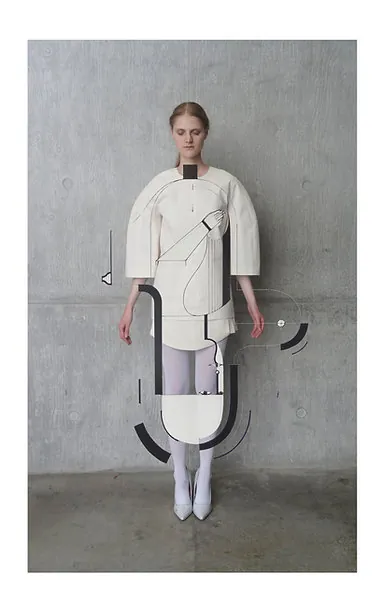
I love to play with lines. There is a perfect place for every line. If beauty was in the eyes of the beholder we wouldn't be able to work in teams on an aesthetic industry. Everywhere I go and everything I see I analyse how would I possibly improve it .I have a notebook with fully detailed explanation and sketches of every single change I would do in my hometown if I was to become the the Major of the city one day.
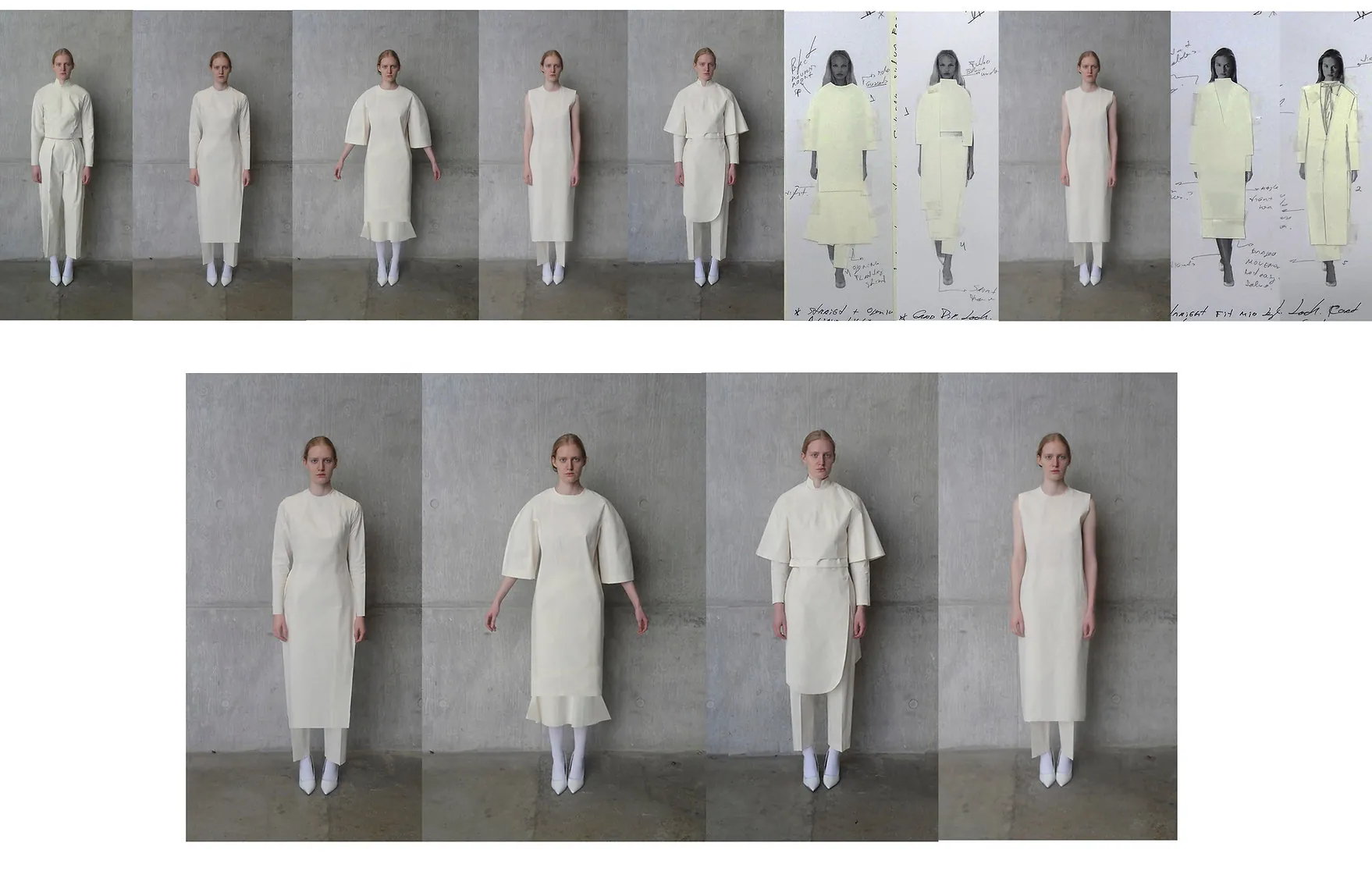
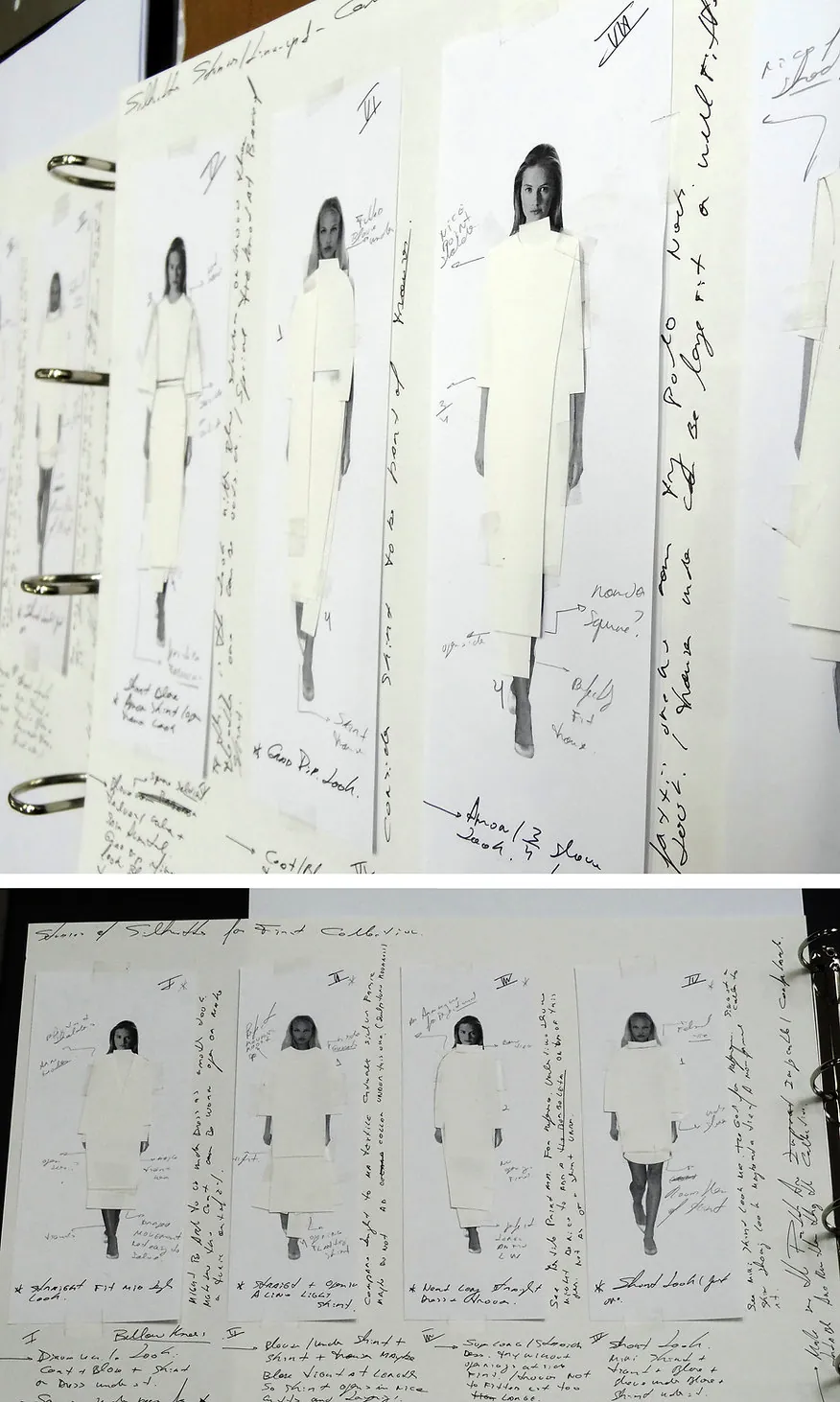
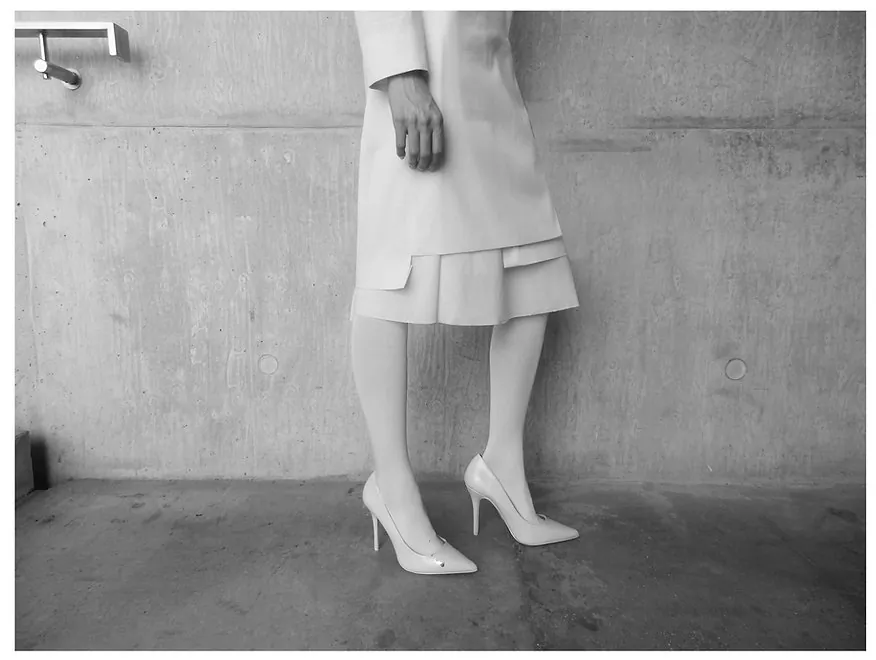
" In order to master something one must do it over and over again , refining it and polishing it. All my projects are extensions of the previous ones. I have never started a work that wouldn't include the essence or something from what I was doing before. That is why when I am asked how long did it take me to do this collection I say: 5 years."
" In order to master something one must do it over and over again."
" I love to play with lines. There is a perfect place for every line."
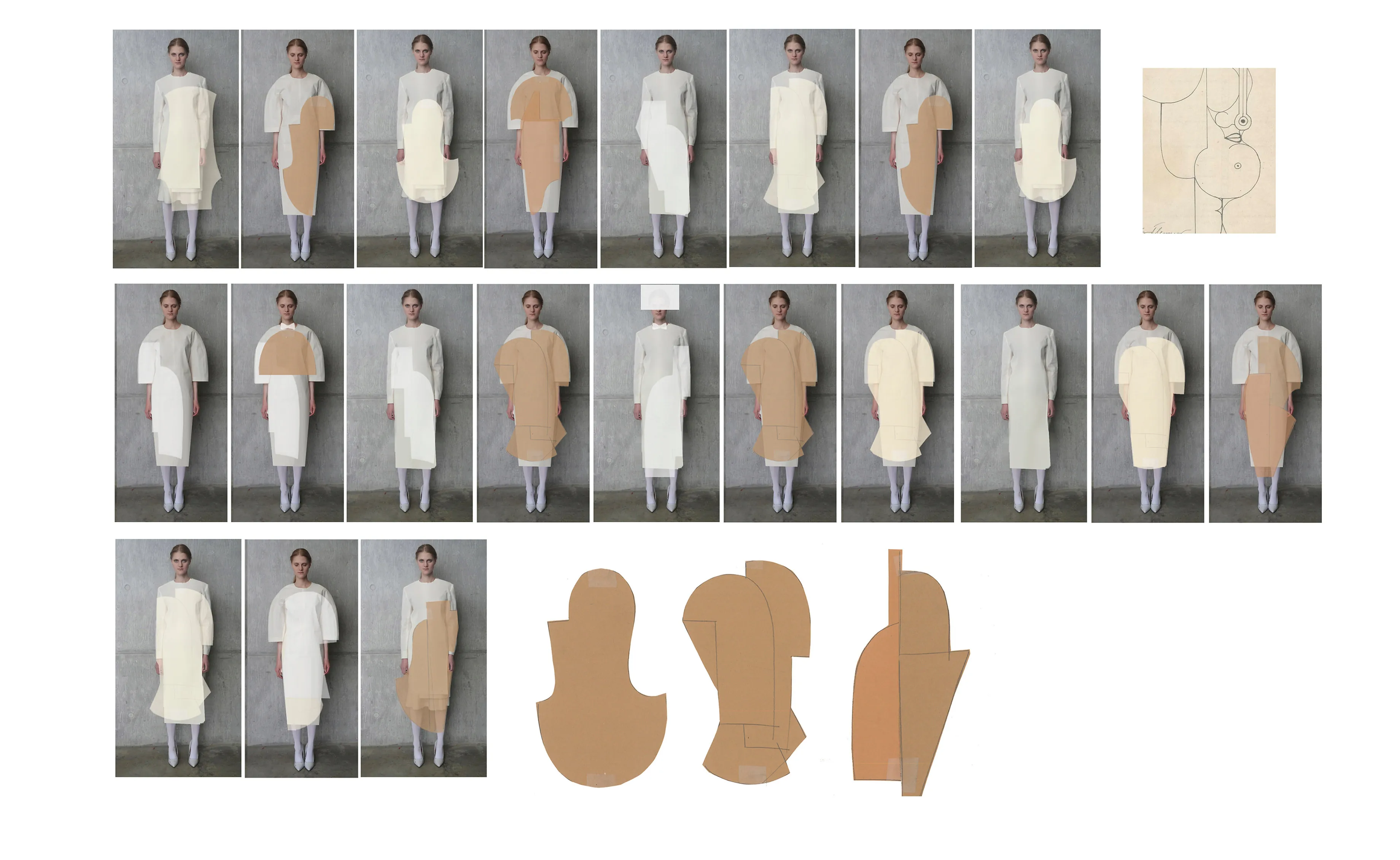
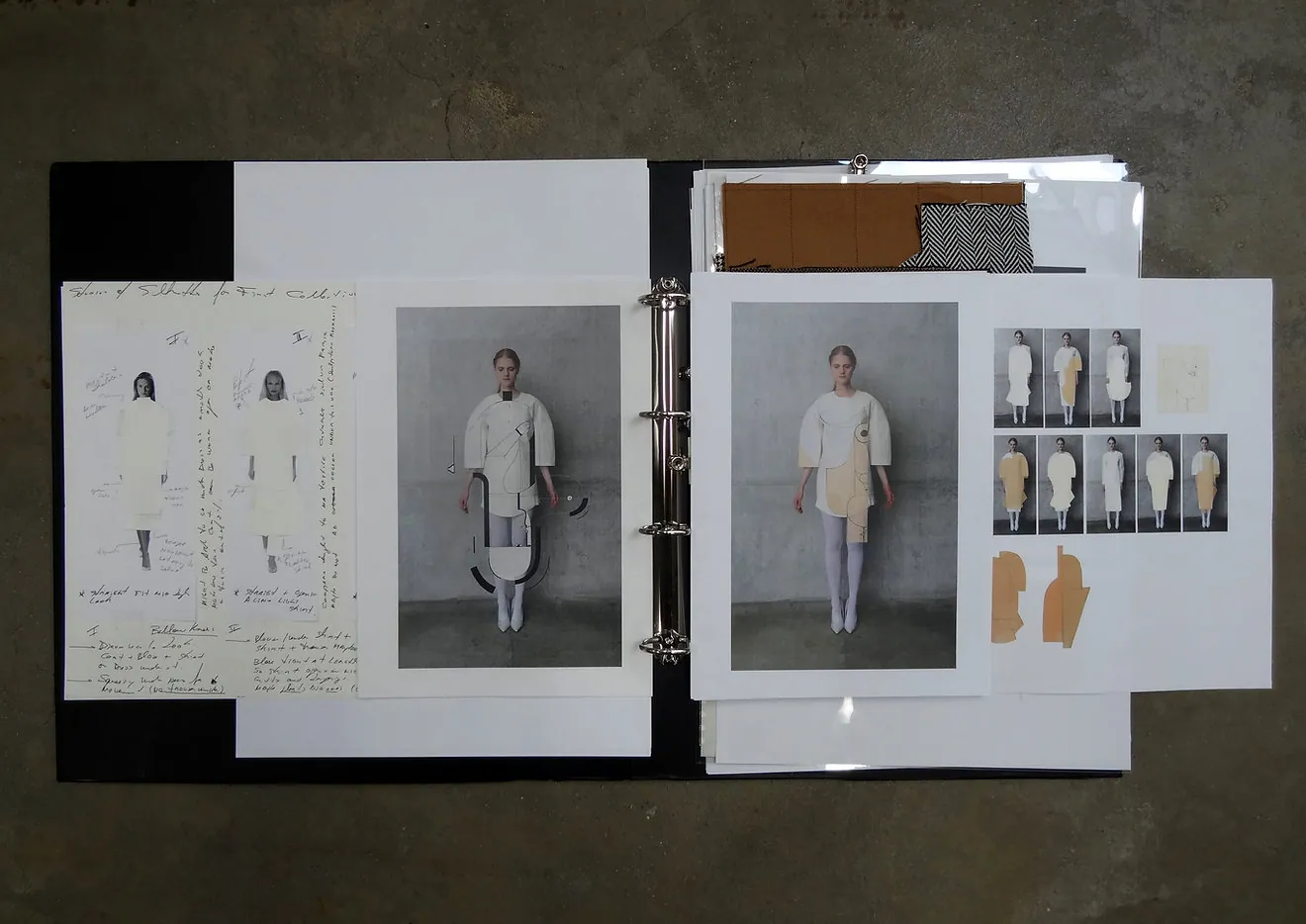
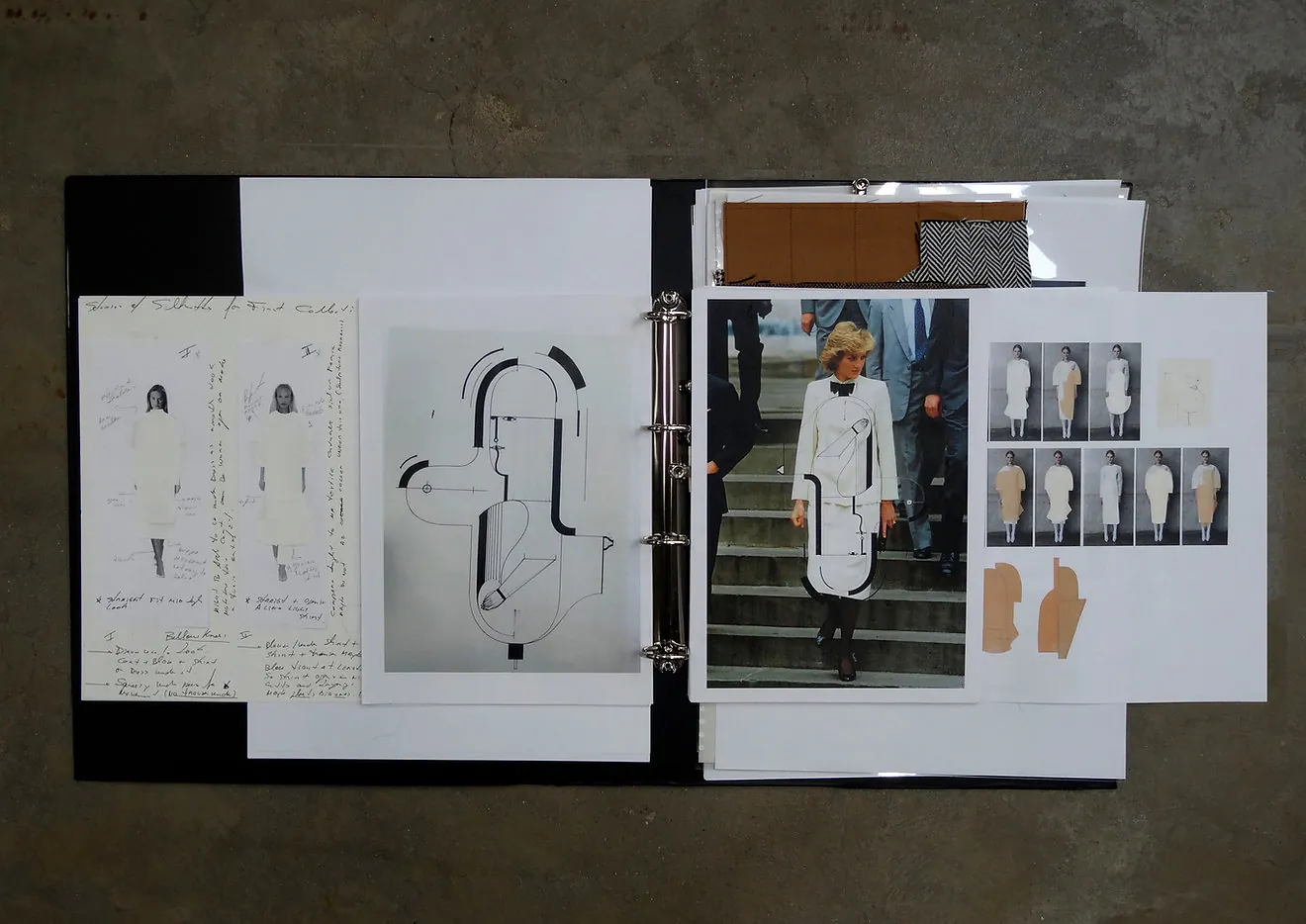
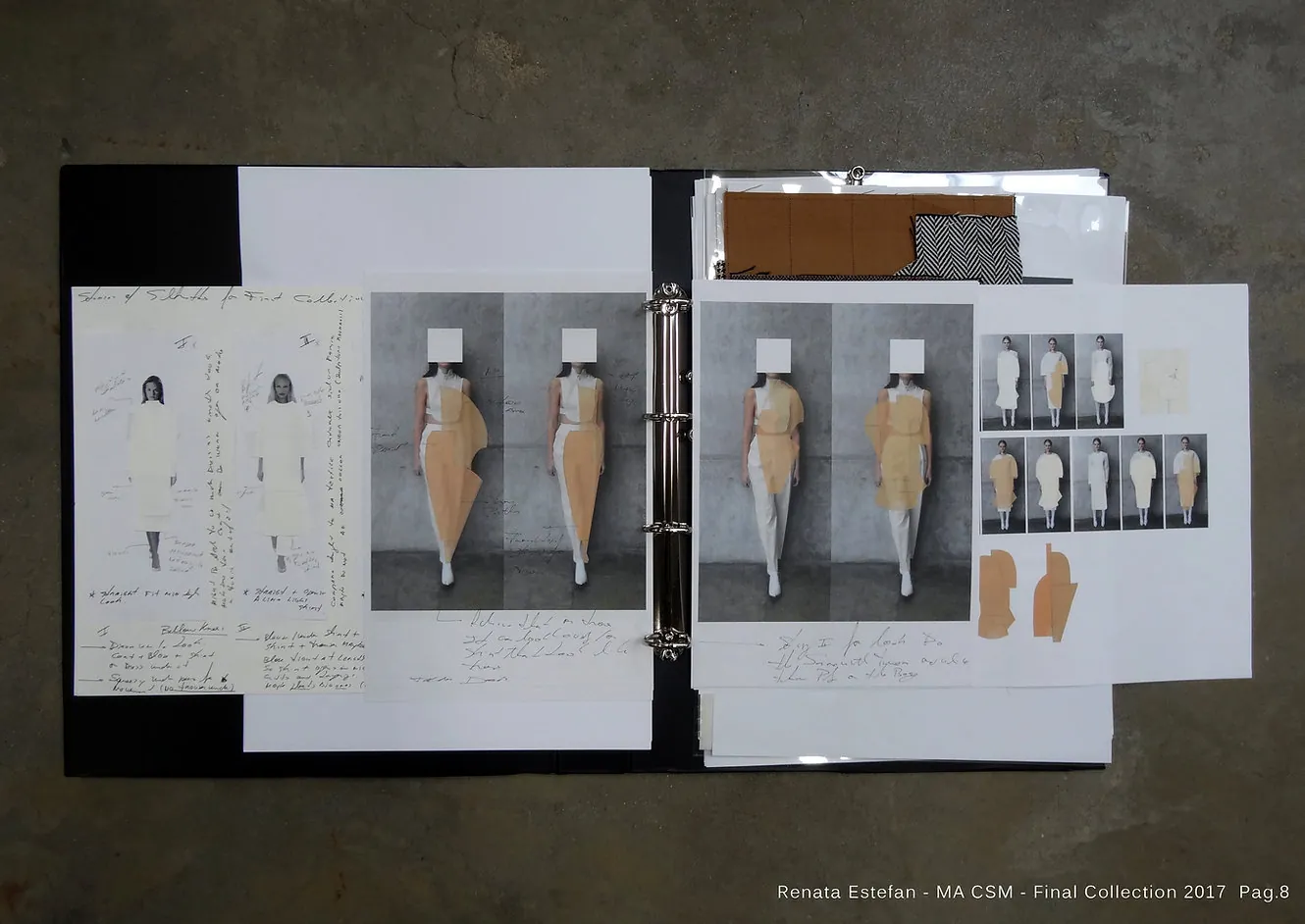
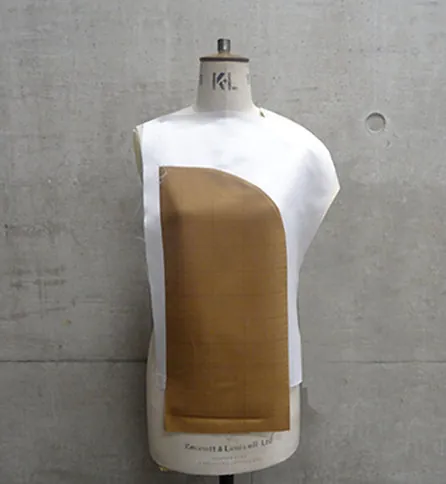
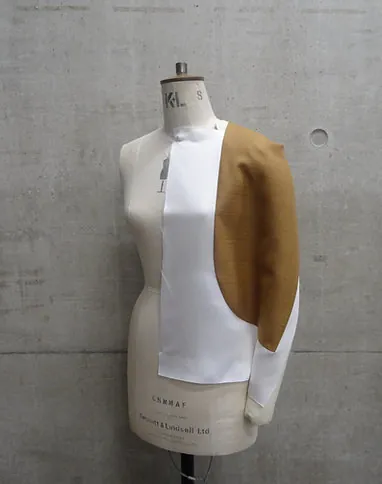
My favorite part of this project was drawing the shapes on the tweed and seeing what would happen by placing the panels on the body. All the lines were inspired by Oskar Schlemmer work and I would draw and sew the same curve so many times until it would look just right.